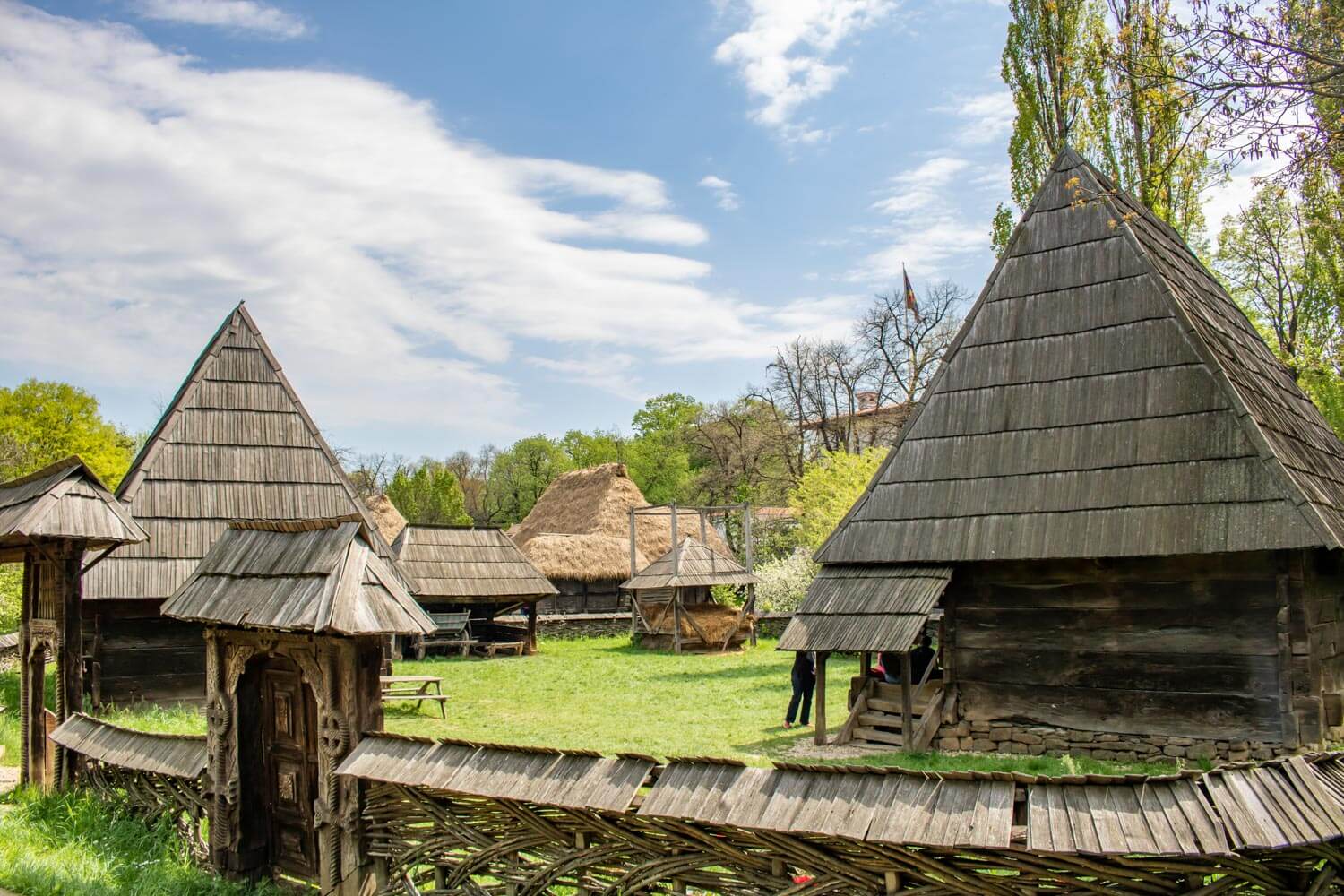
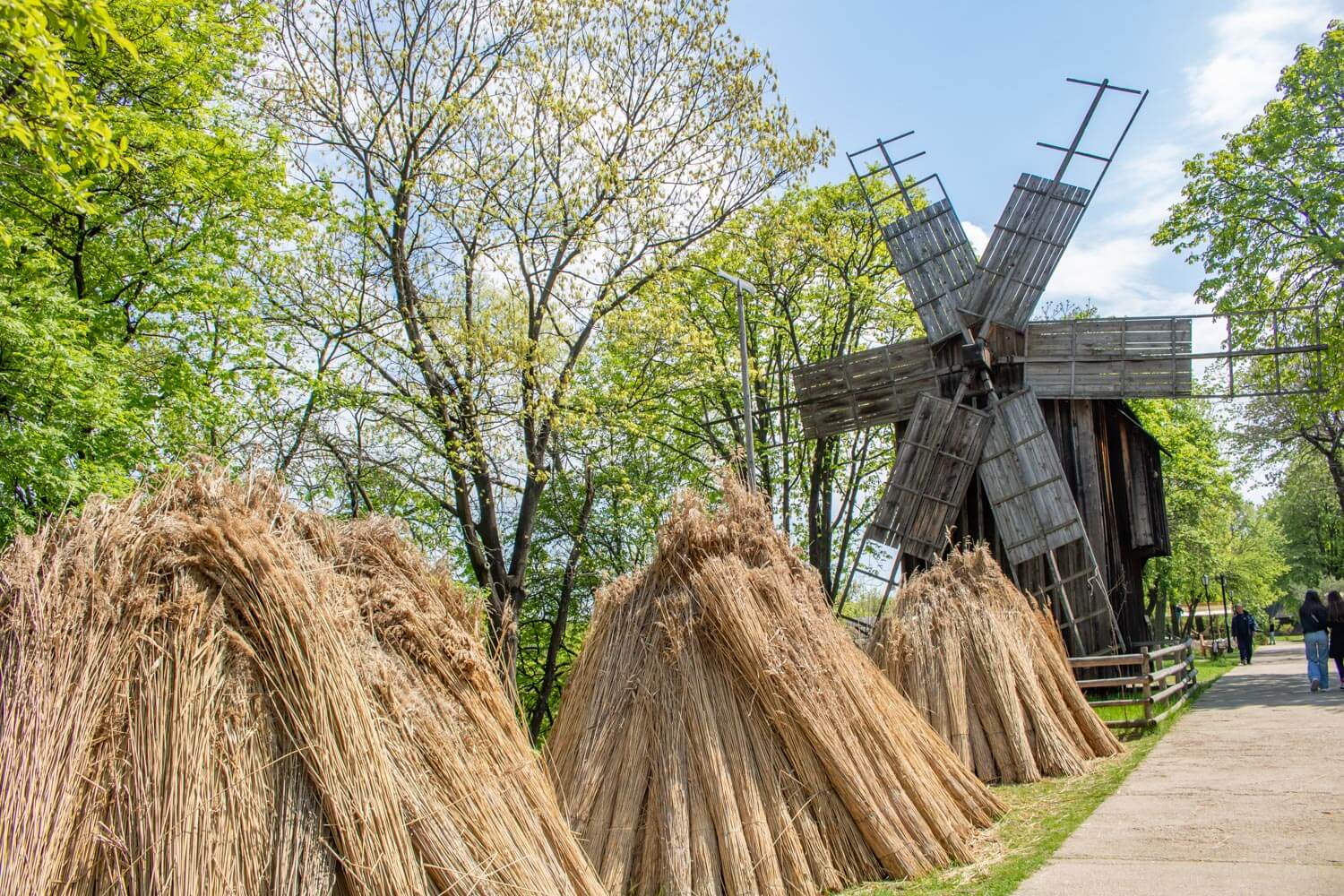
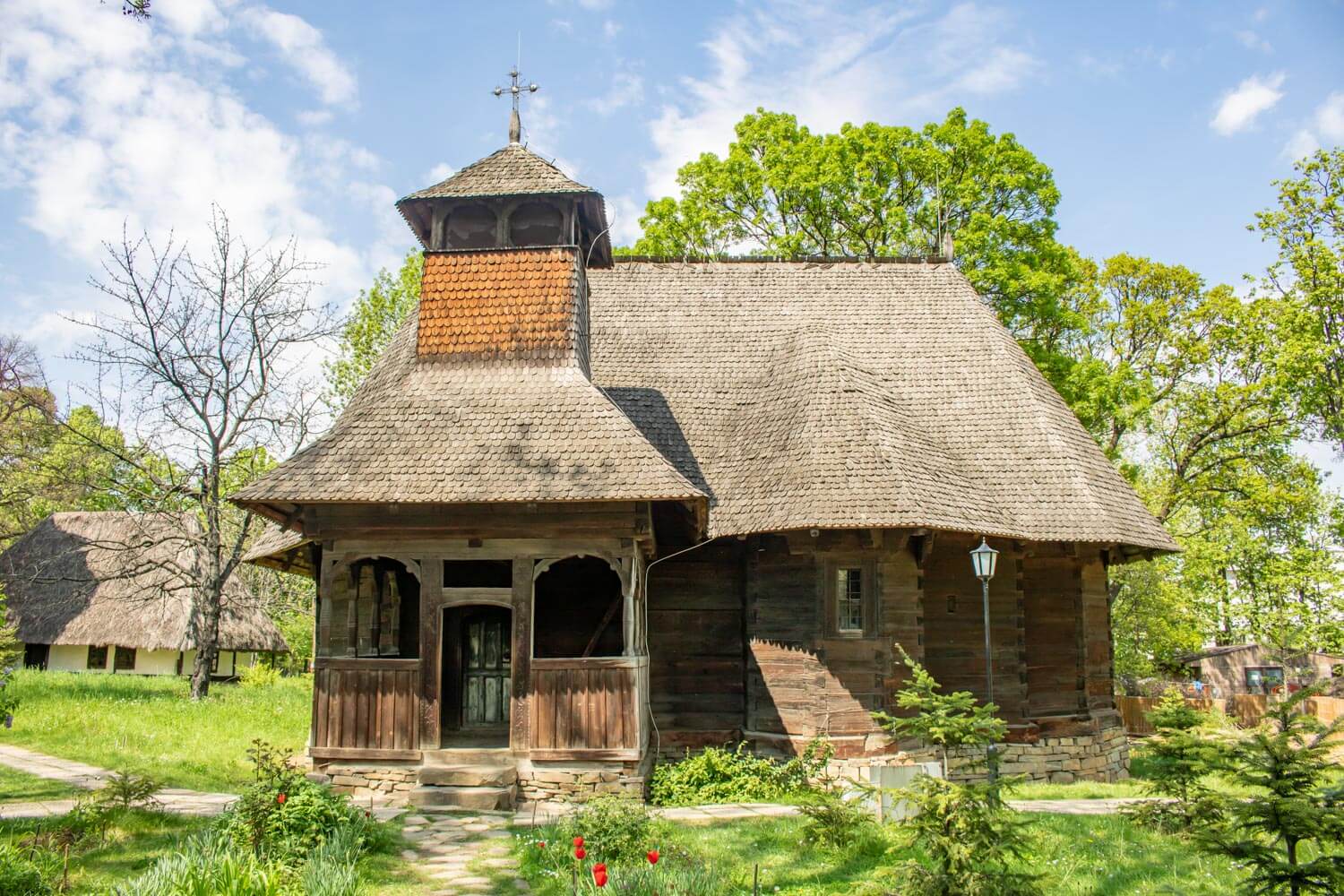
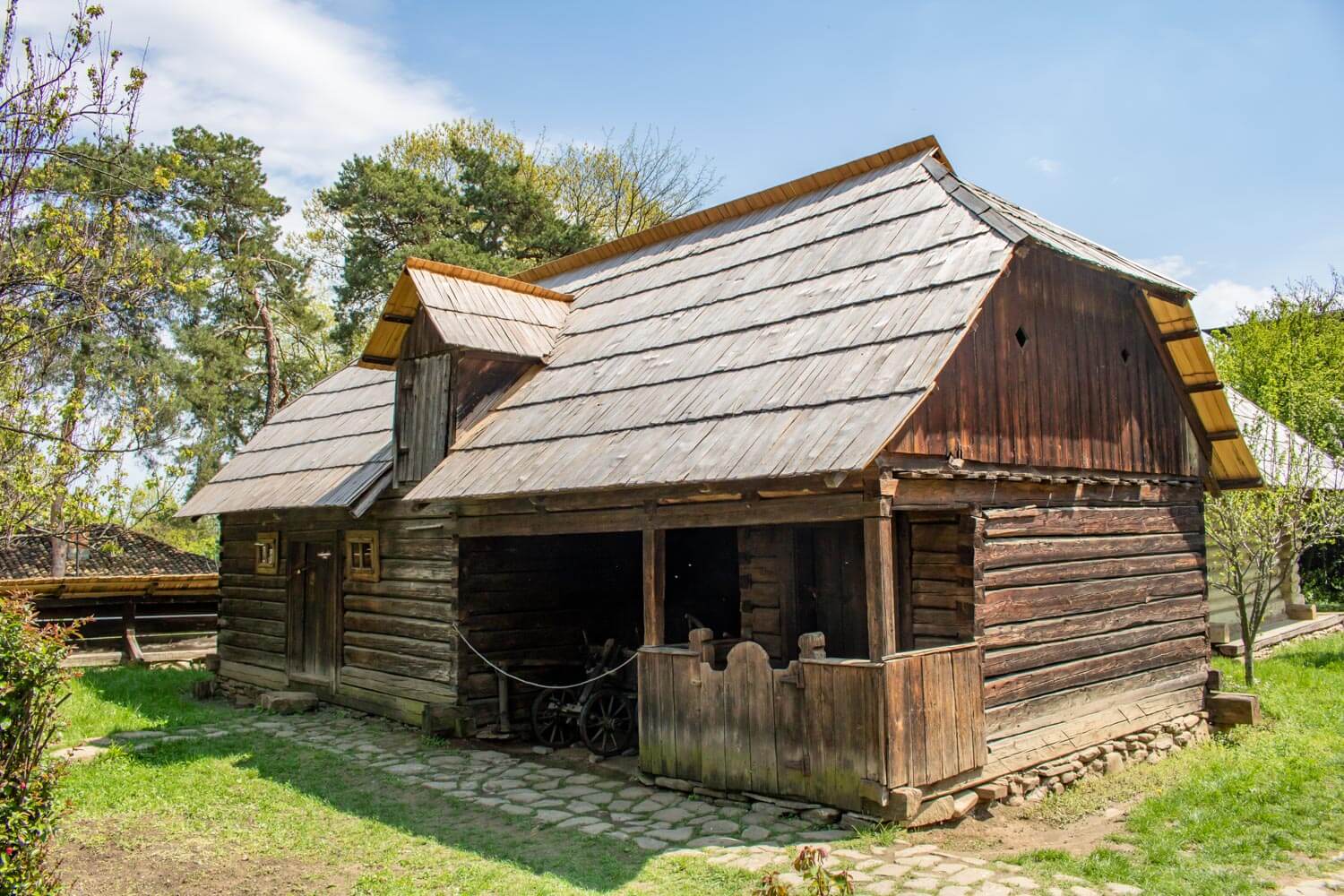
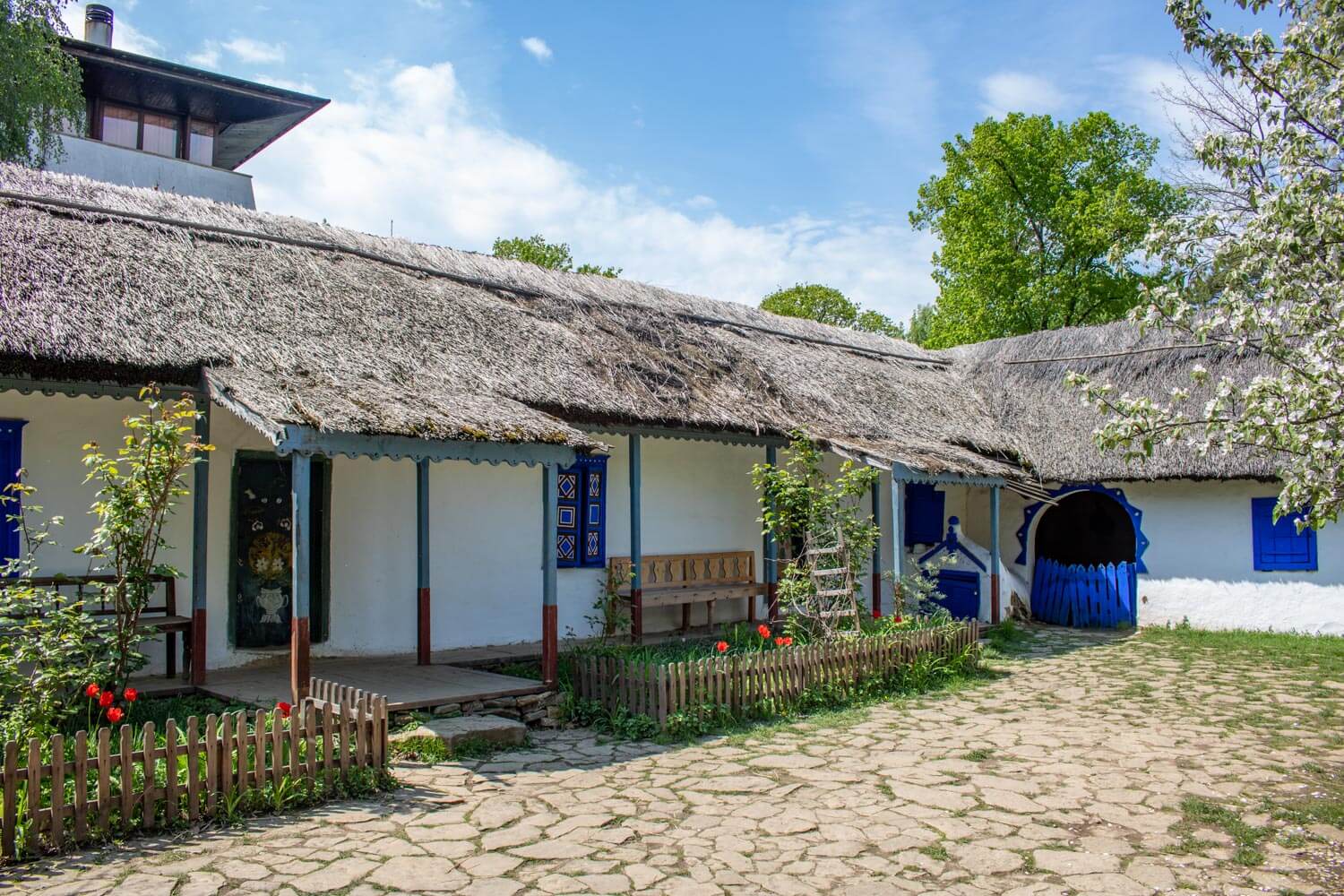
The National Village Museum “Dimitrie Gusti” (Muzeul Național al Satului “Dimitrie Gusti”) is an open-air ethnographic museum located in the King Michael I Park in the north of Bucharest.
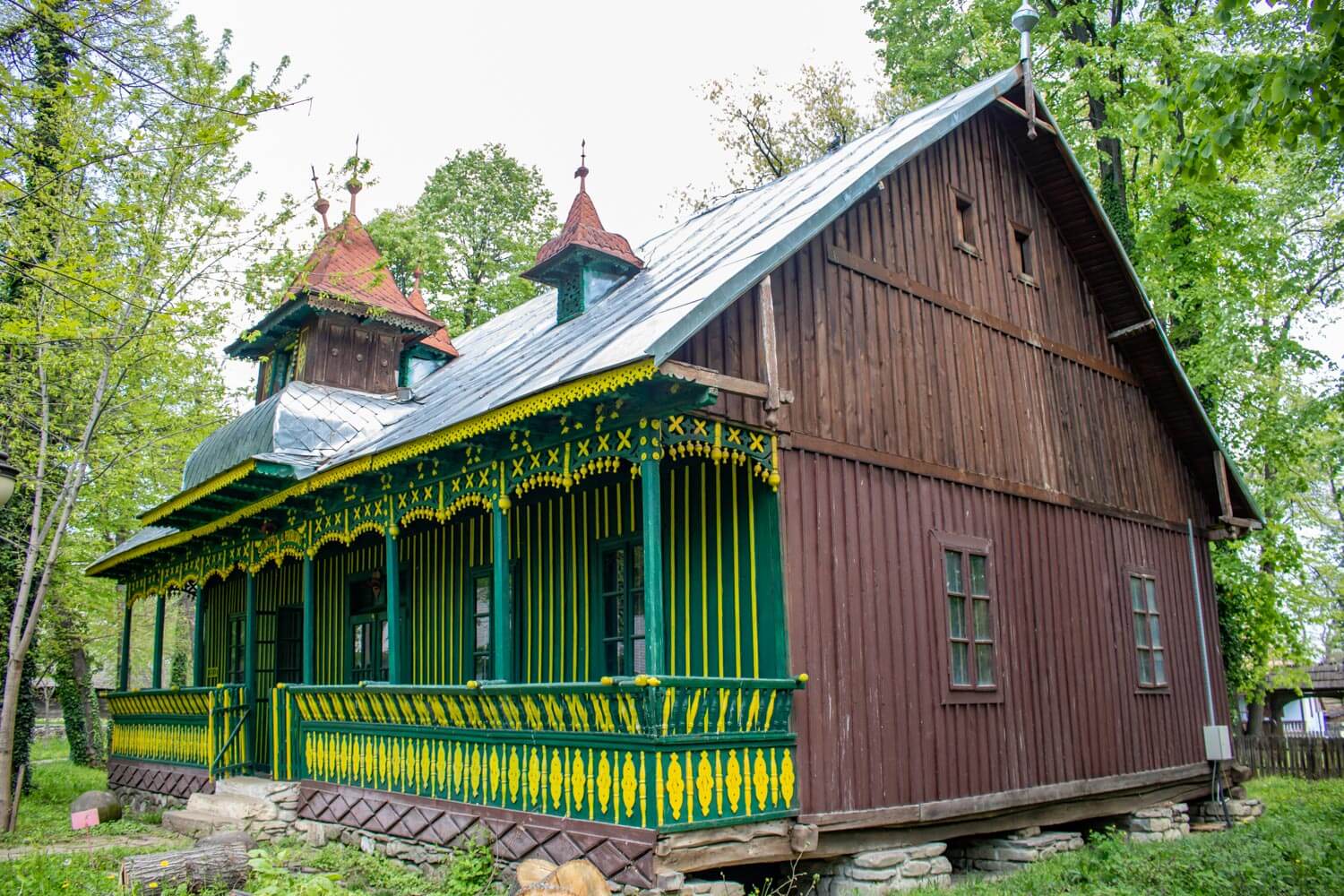
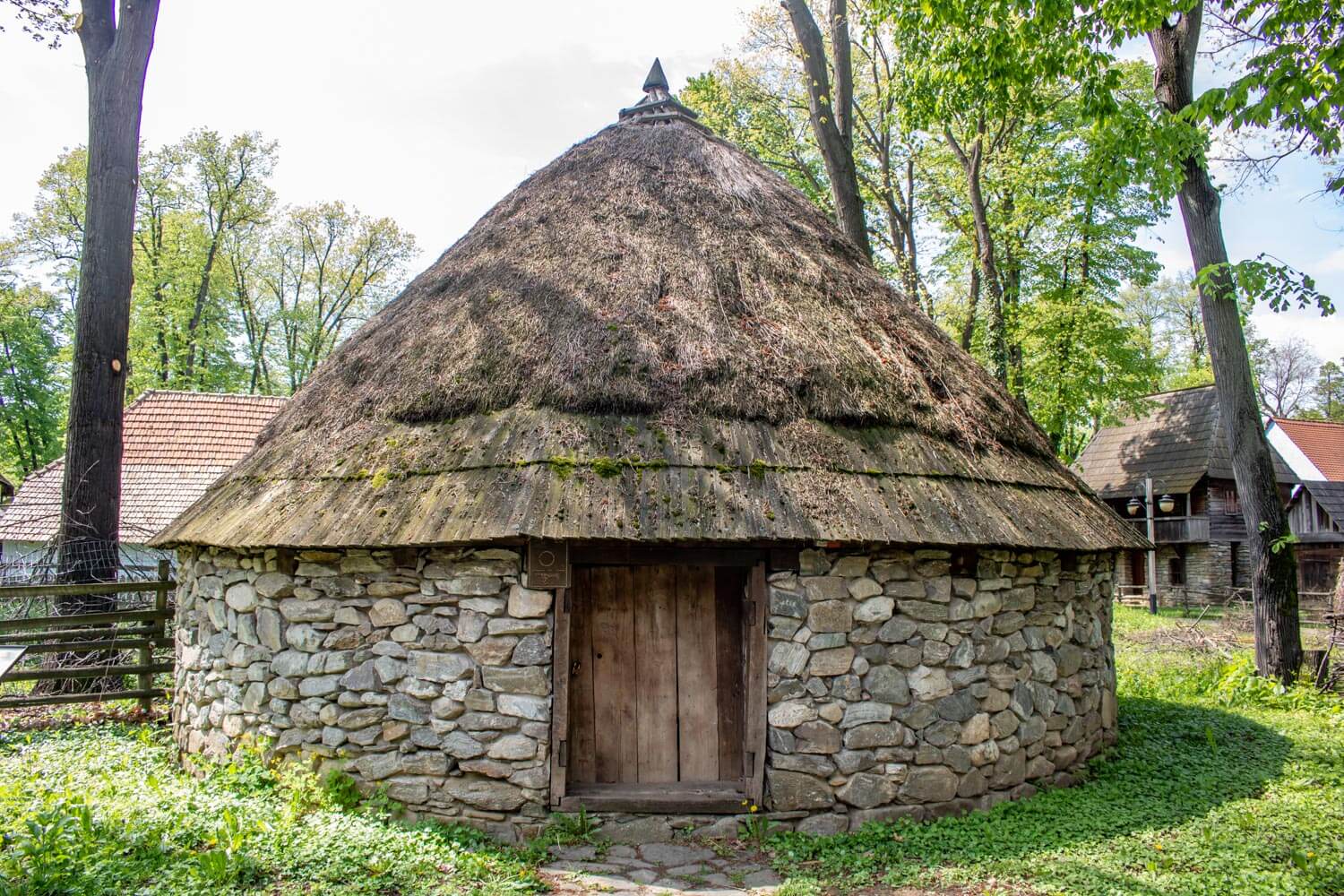
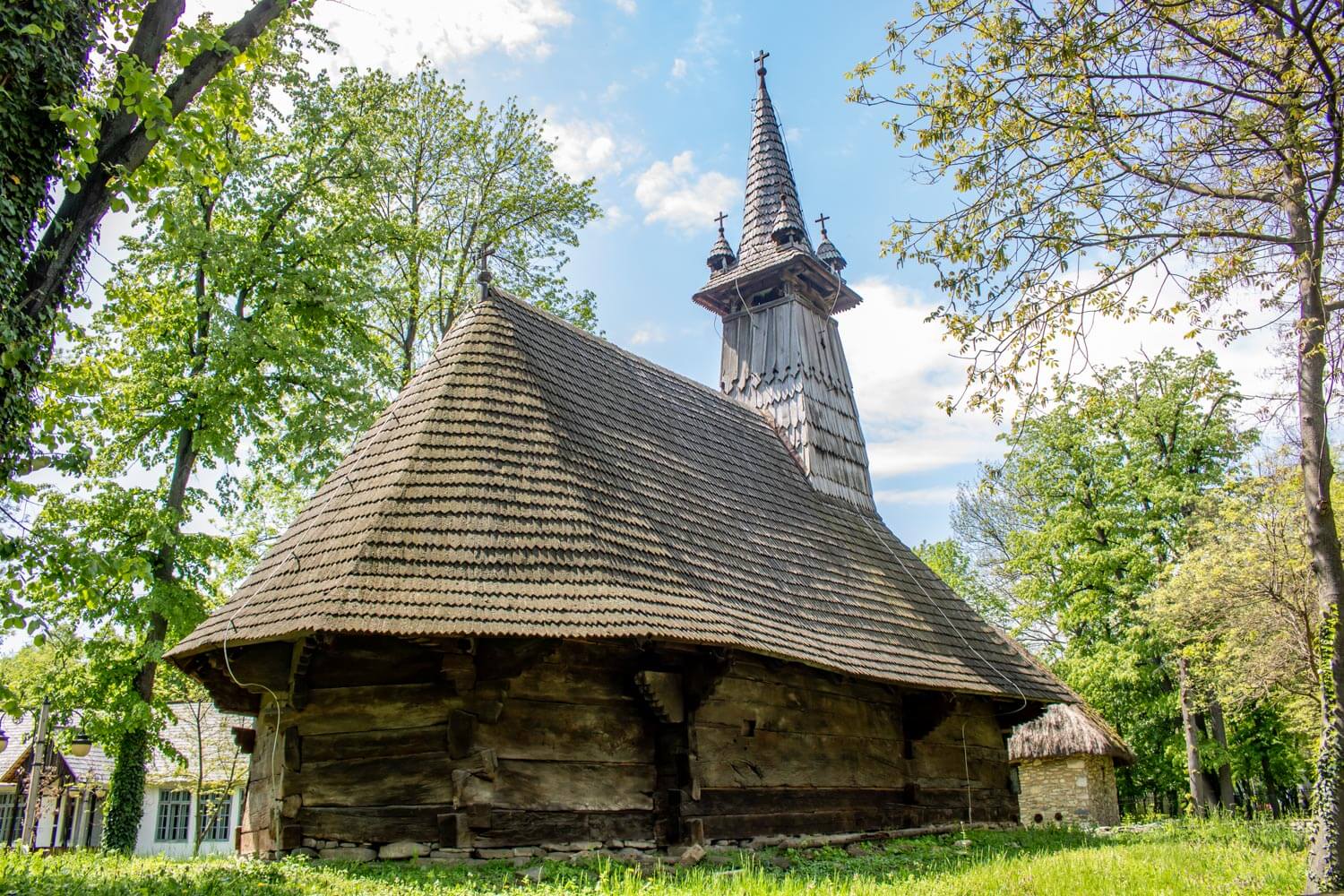
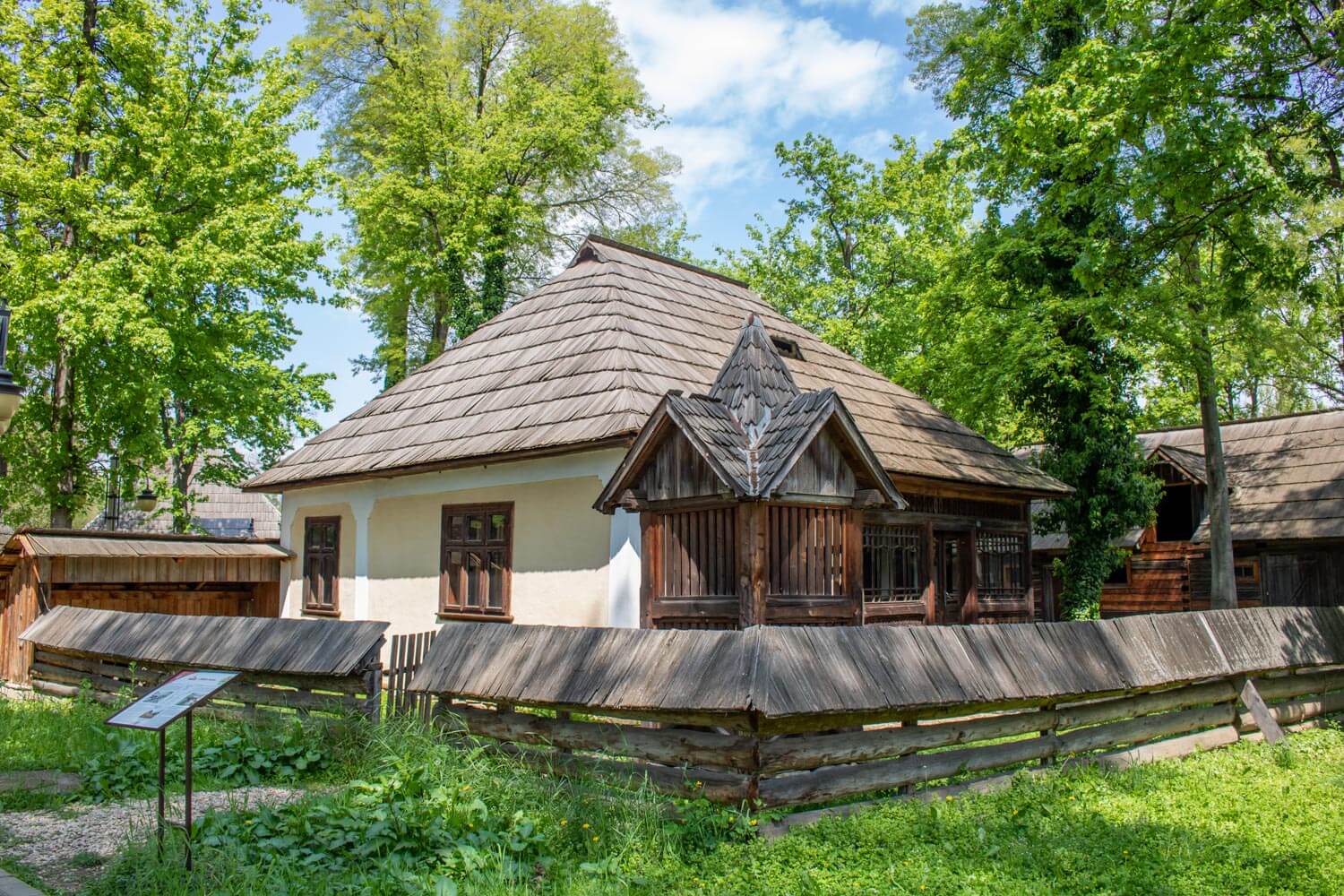
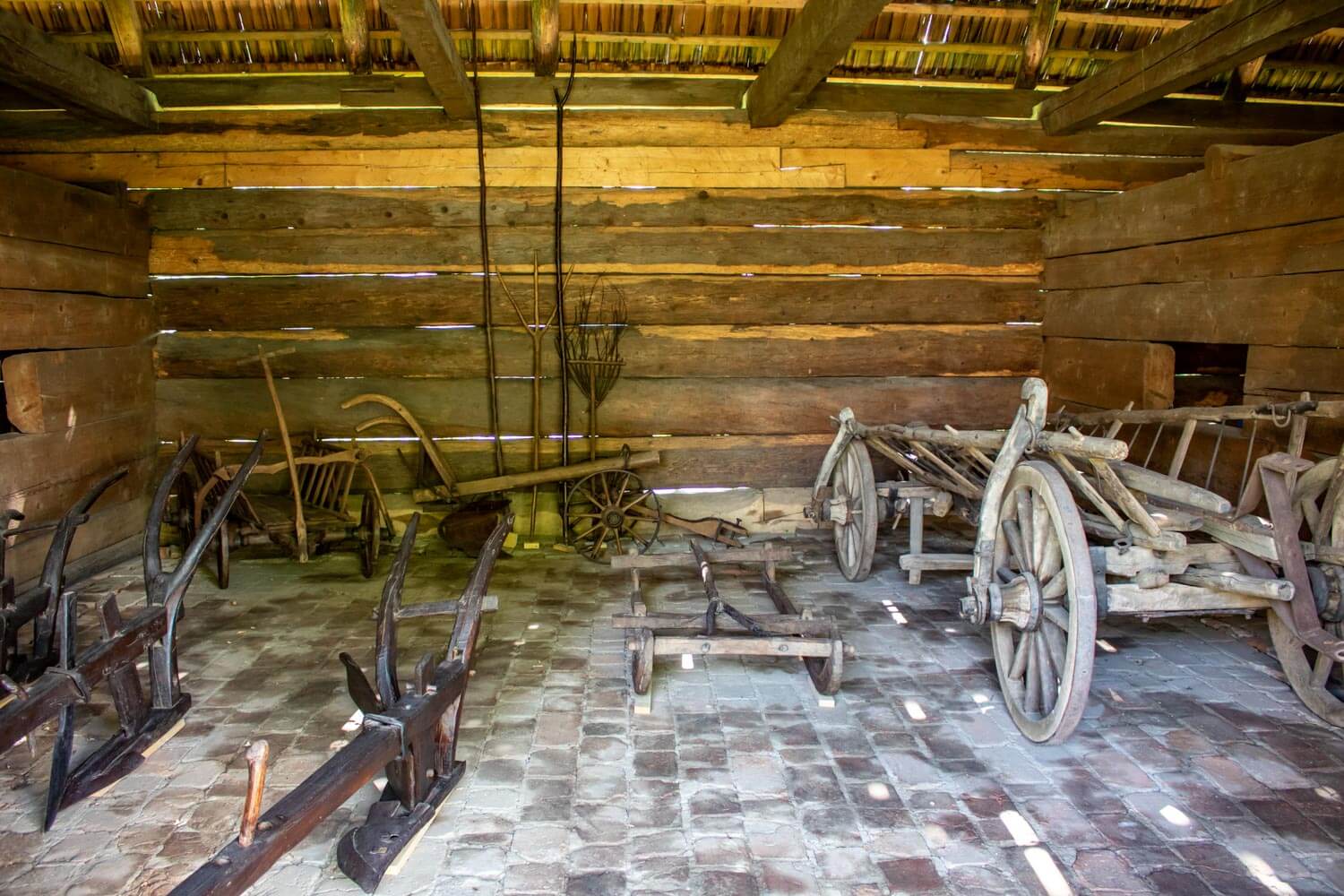
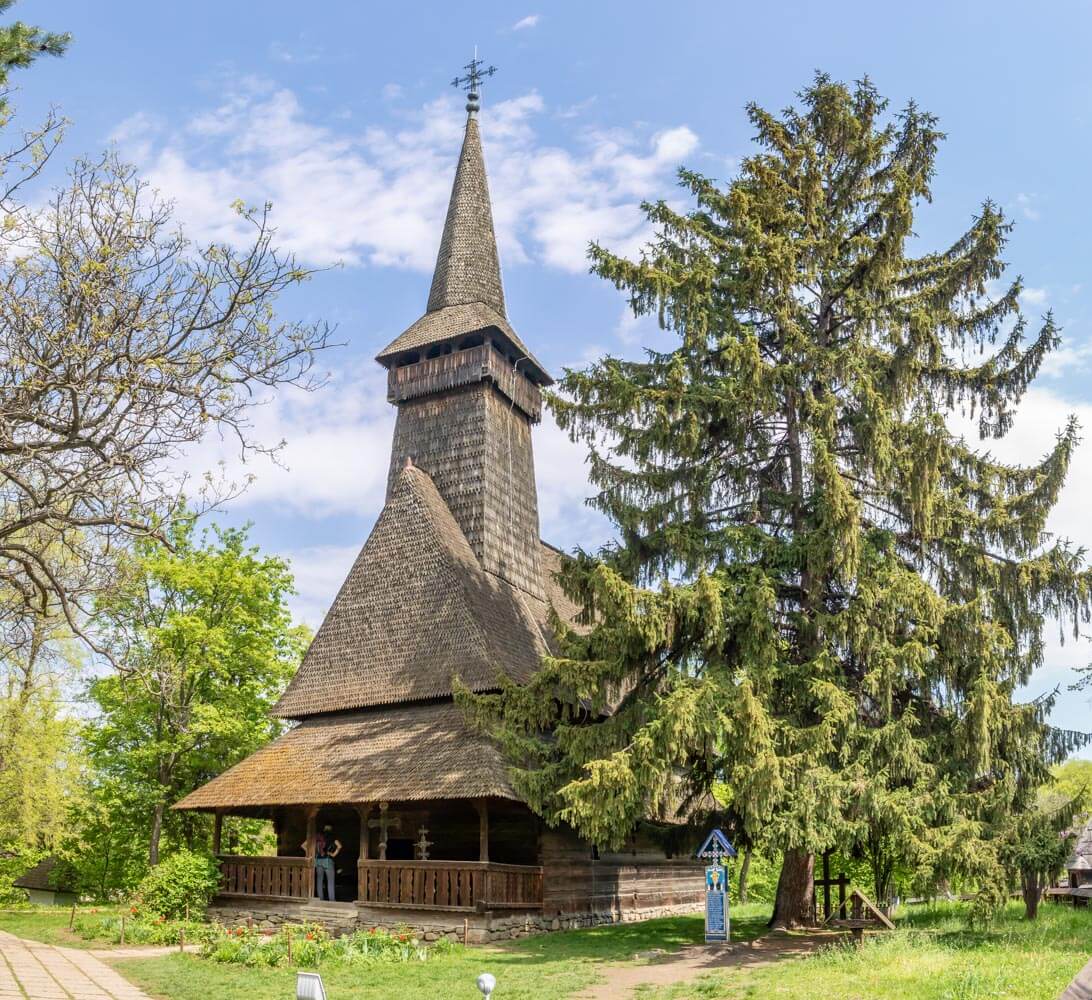
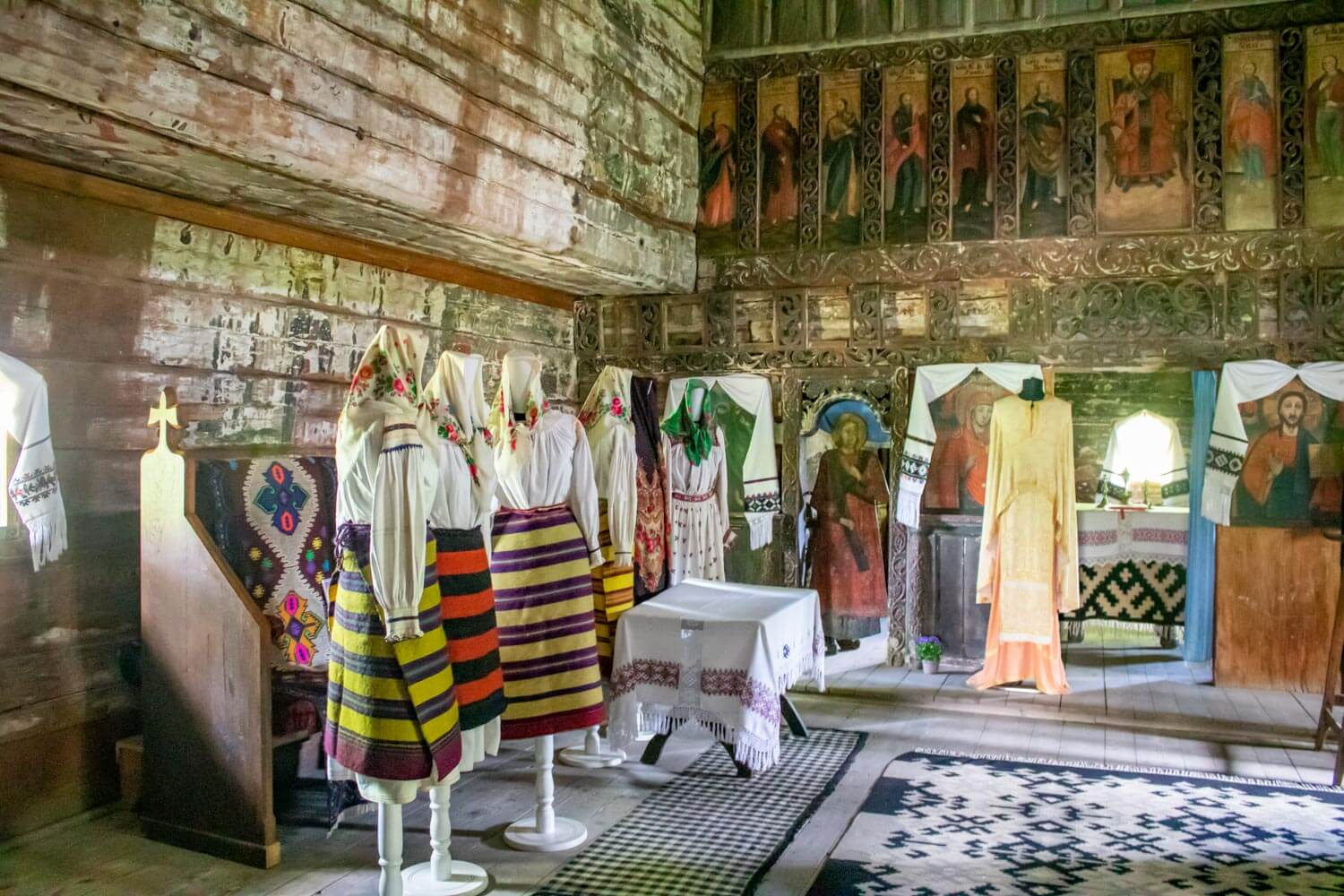
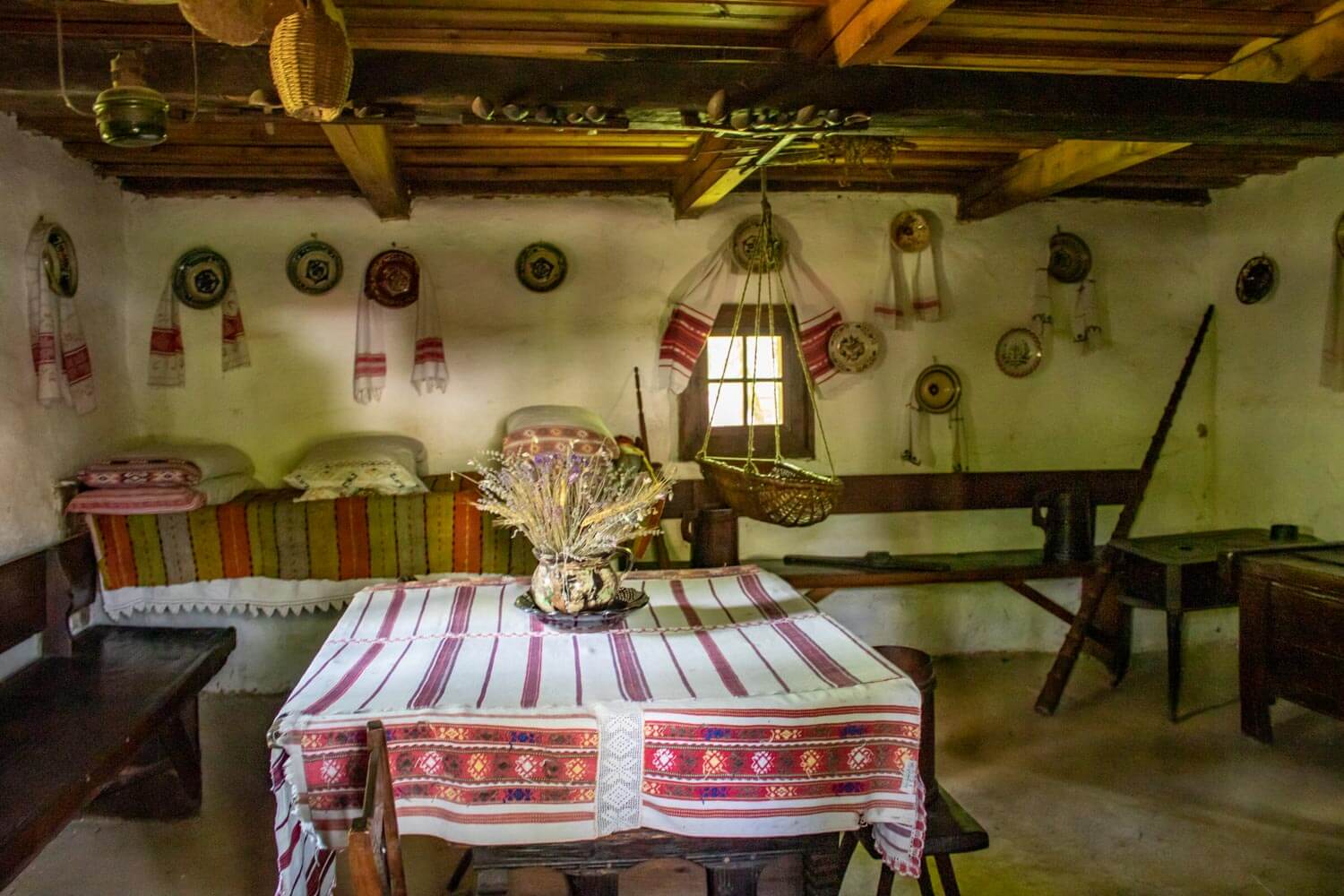
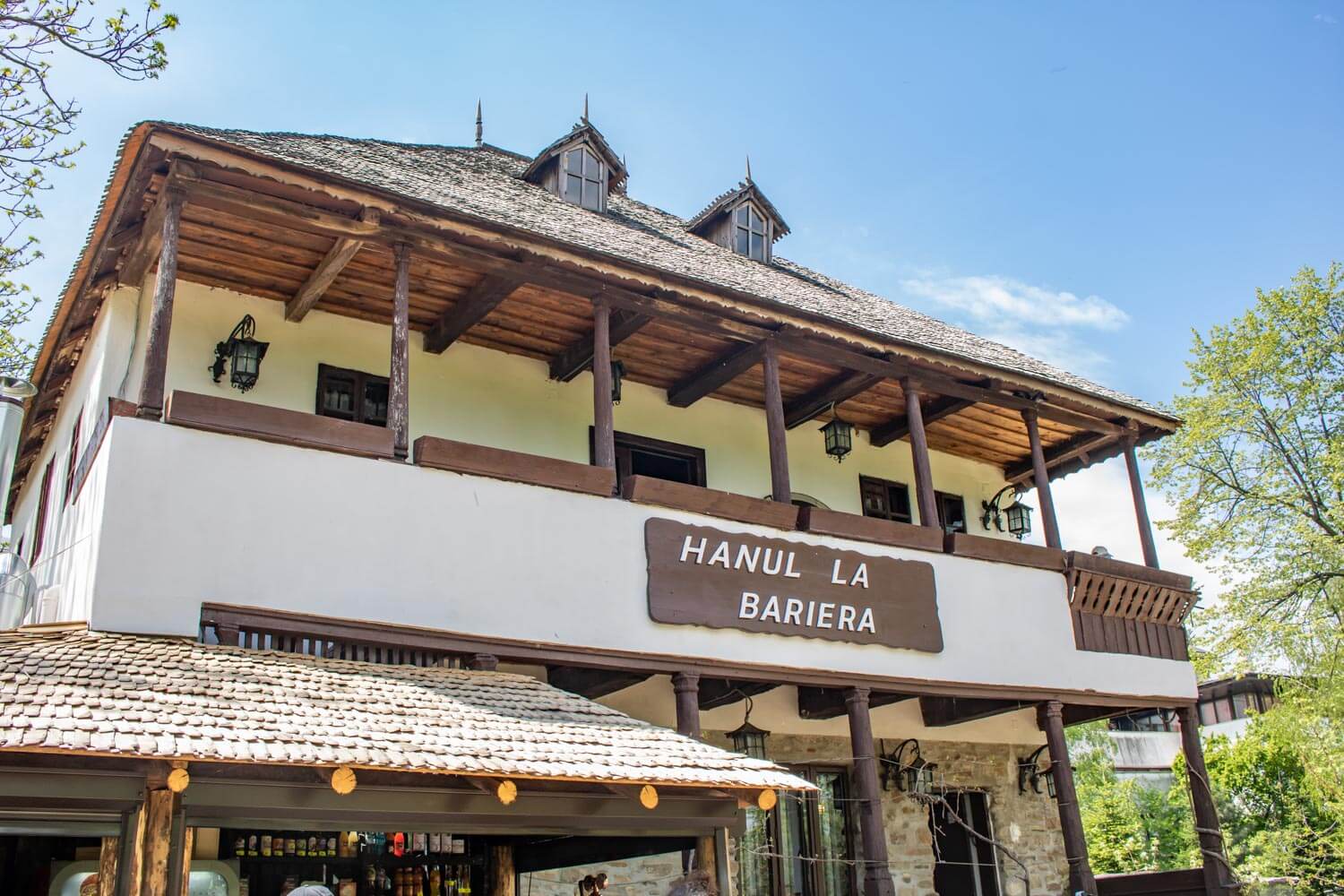
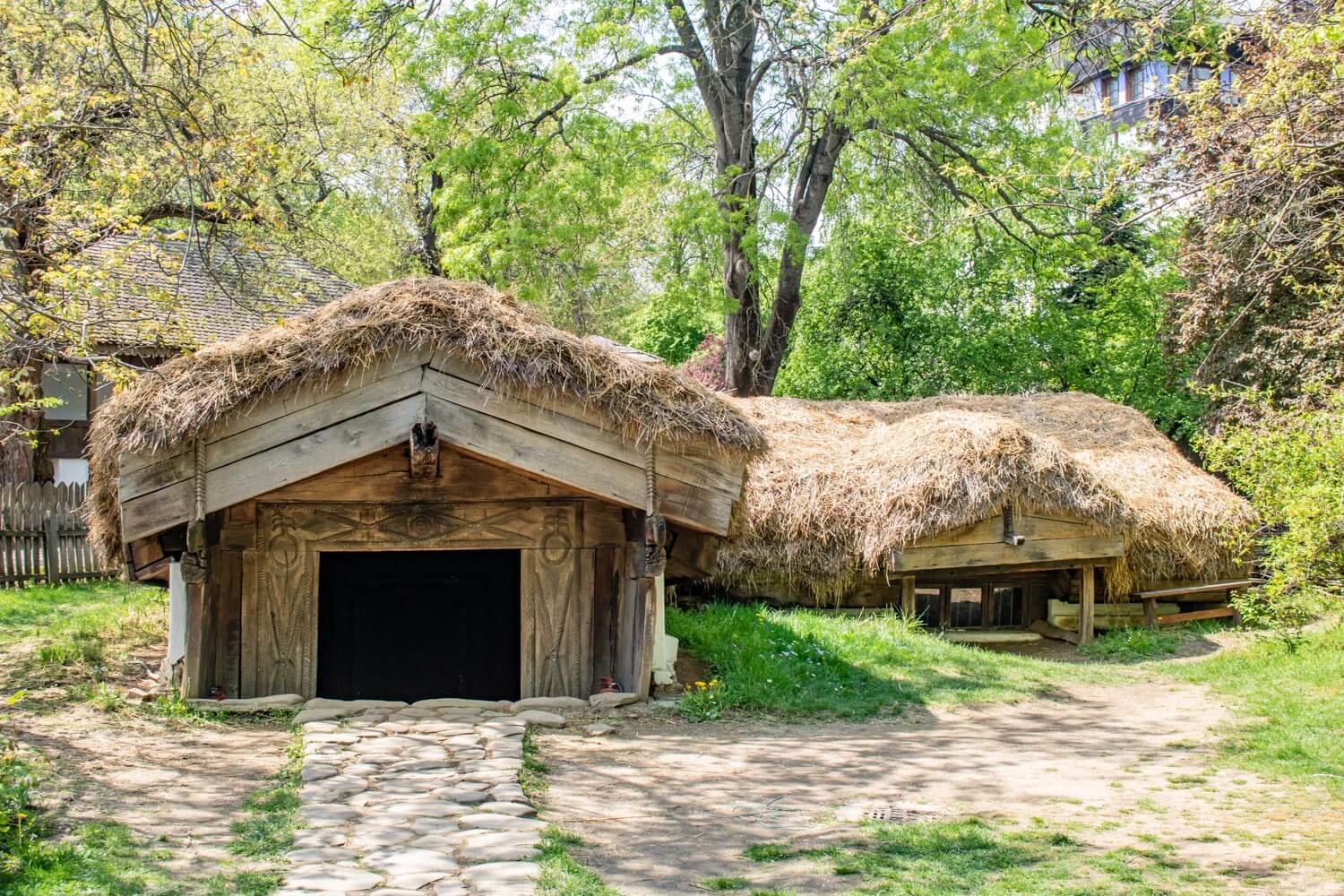
The museum is spread over 100,000 m2 and contains over 300 authentic traditional houses, farms, churches, monuments, and other buildings from all over Romania showcasing traditional Romanian village life. All buildings were moved from their original ethnic region to the museum in Bucharest. Some houses are older than others, and some are more beautiful than others. The oldest house dates from the 17th century, while the most recent one was built in the 20th century. Some of the houses are open so you can have a look inside to see the interior decorations and furniture. Information panels give you more details about the origin and use of each building.
The museum is named after Dimitrie Gusti, a folklorist and sociologist who founded the museum with the help of the writer Victor Ion Popa and set designer Henri H. Stahl. The museum was inaugurated on 10 May 1936 in the presence of King Carol II.
The National Village Museum is one of the most popular attractions in Bucharest and a must-visit if you want to learn more about traditional Romanian village life. It’s also a great place to breath in some fresh air as the open-air museum is surrounded by the beautful King Michael I Park.
If you’re interested to learn more about rural Romanian village life, you might also want to visit the National Museum of the Romanian Peasant, which showcases a large collection of ethnographic objects. Another suggestion is the National Museum of Romanian History, which describes the history of Romania since prehistoric times alongside a large collection of archaeological object. In Cluj-Napoca, you also find a similar open-air museum, the Ethnographic Park Romulus Vuia.