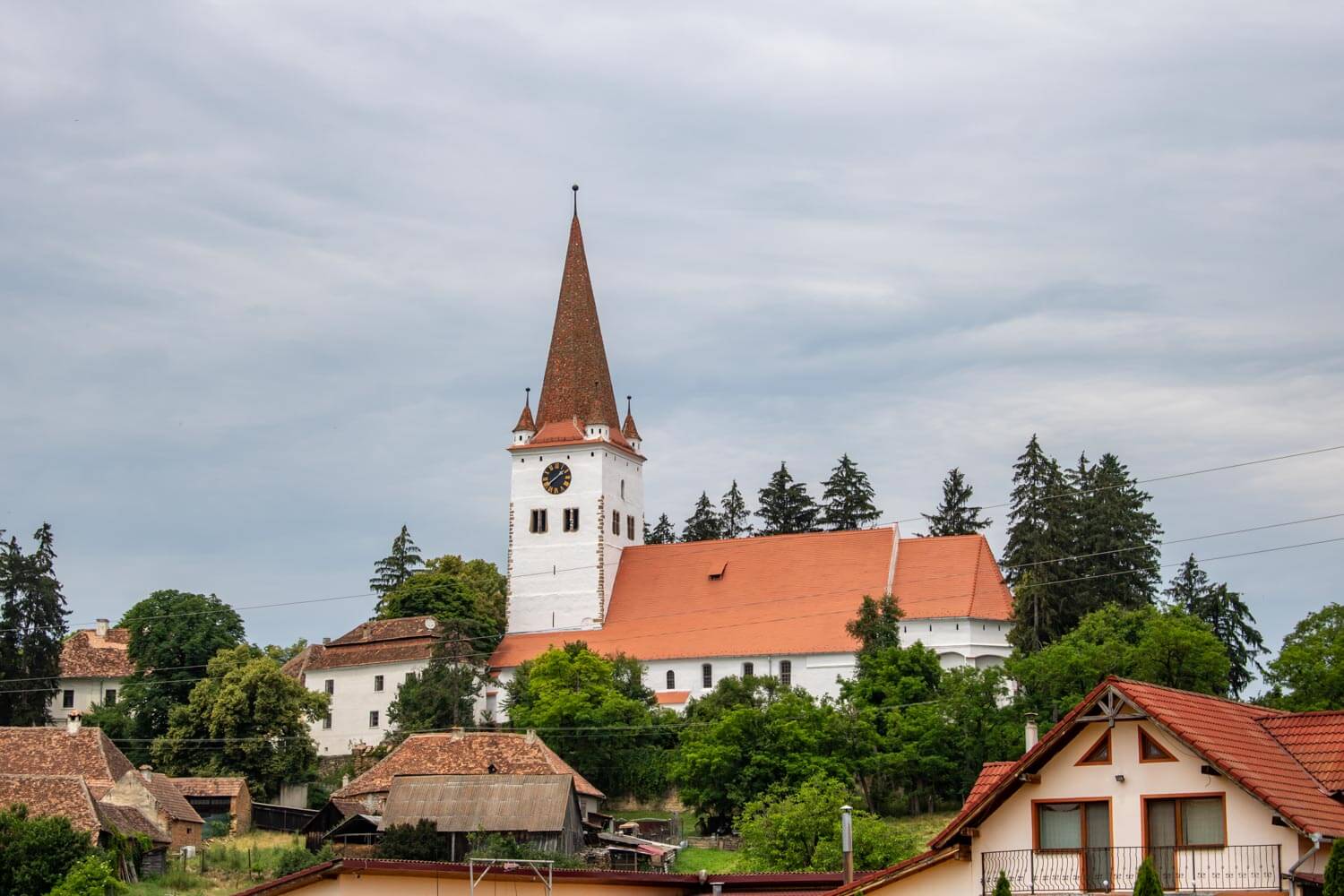
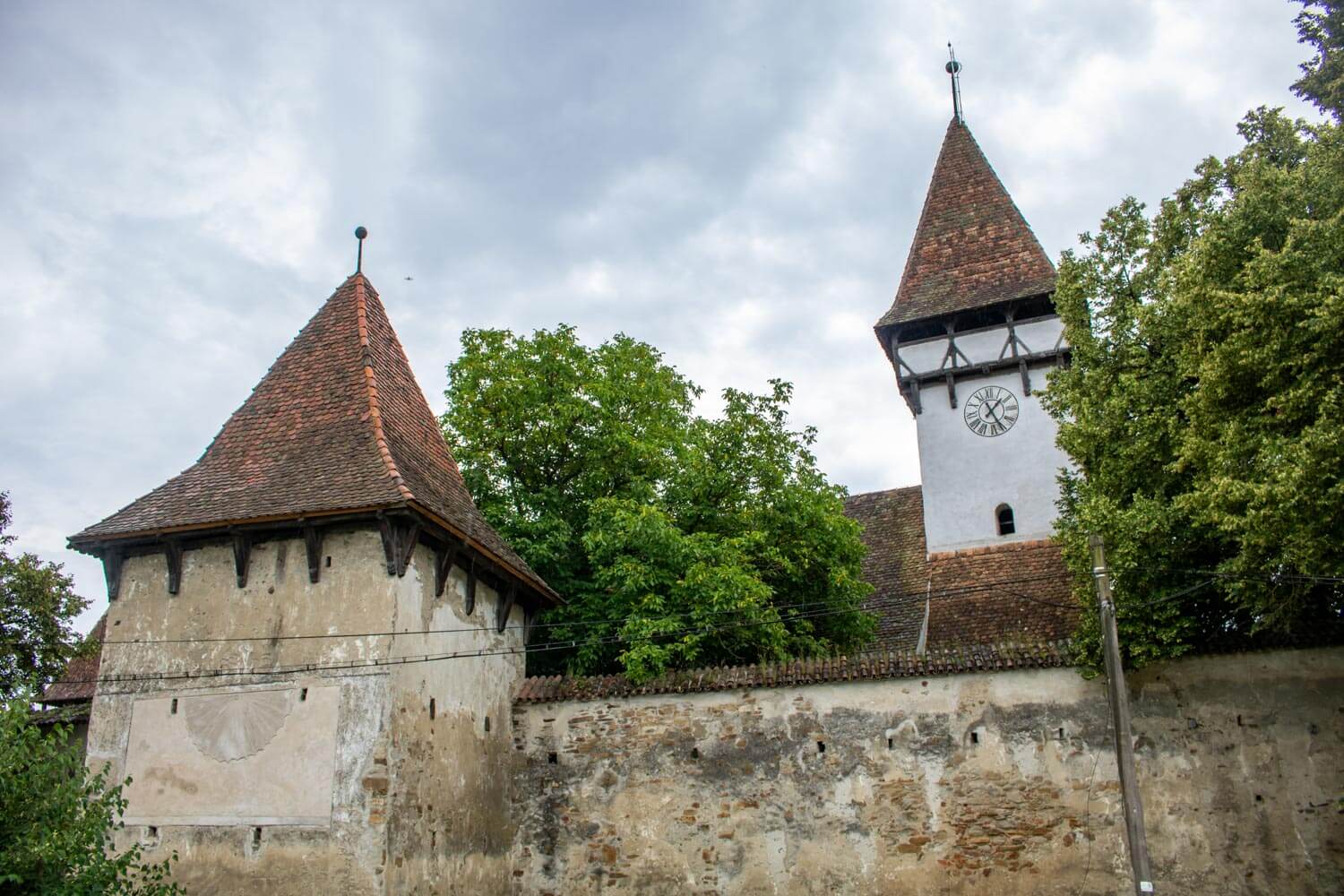
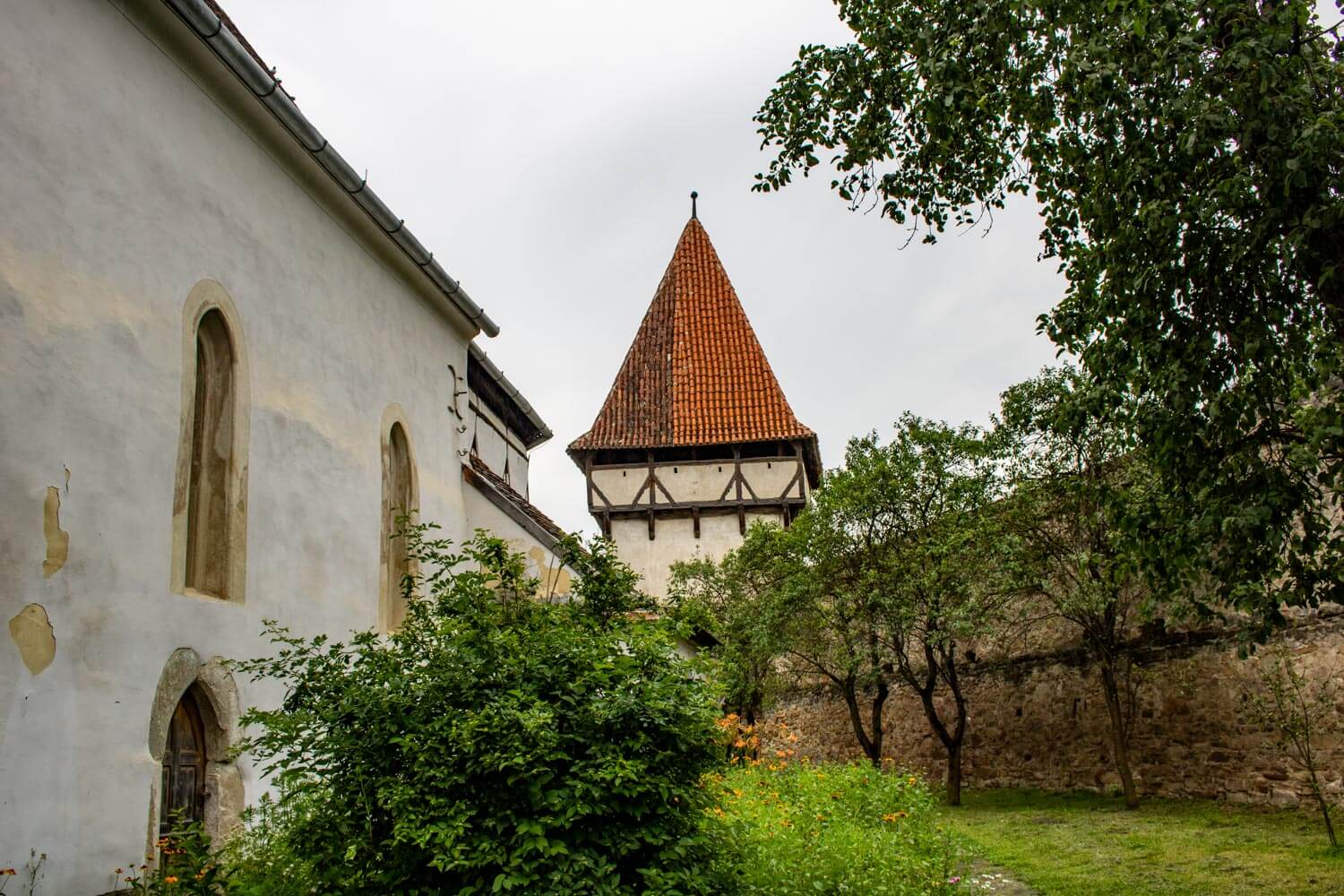
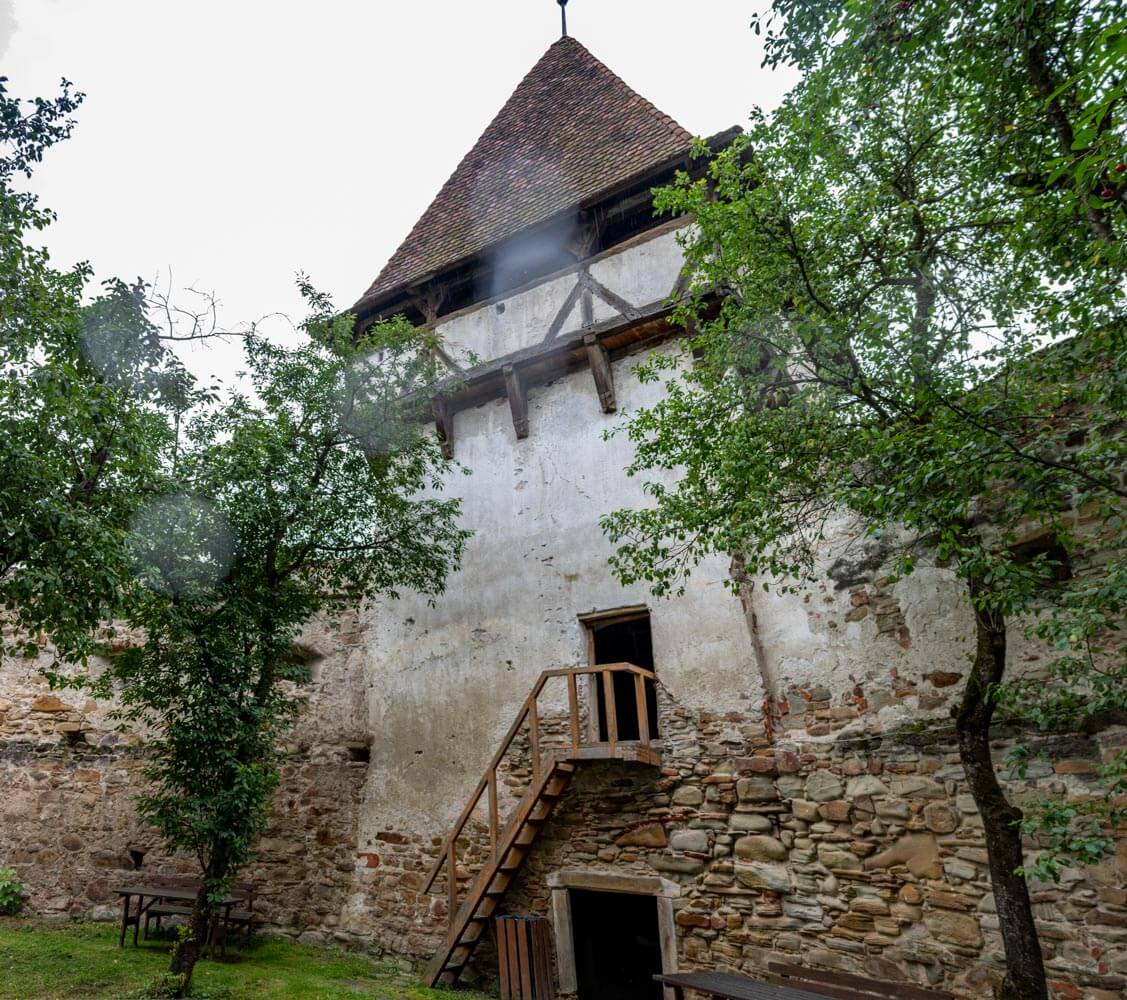
The Fortified Church of Cincșor (Biserica Fortificată din Cincșor) is a historic Lutheran church and fortified enclosure in the village of Cincșor, part of the Voila commune in Brașov County. The complex developed around a 13th-century Romanesque church and was progressively strengthened during the 15th and 16th centuries, creating the compact fortified ensemble that still defines the center of the village.
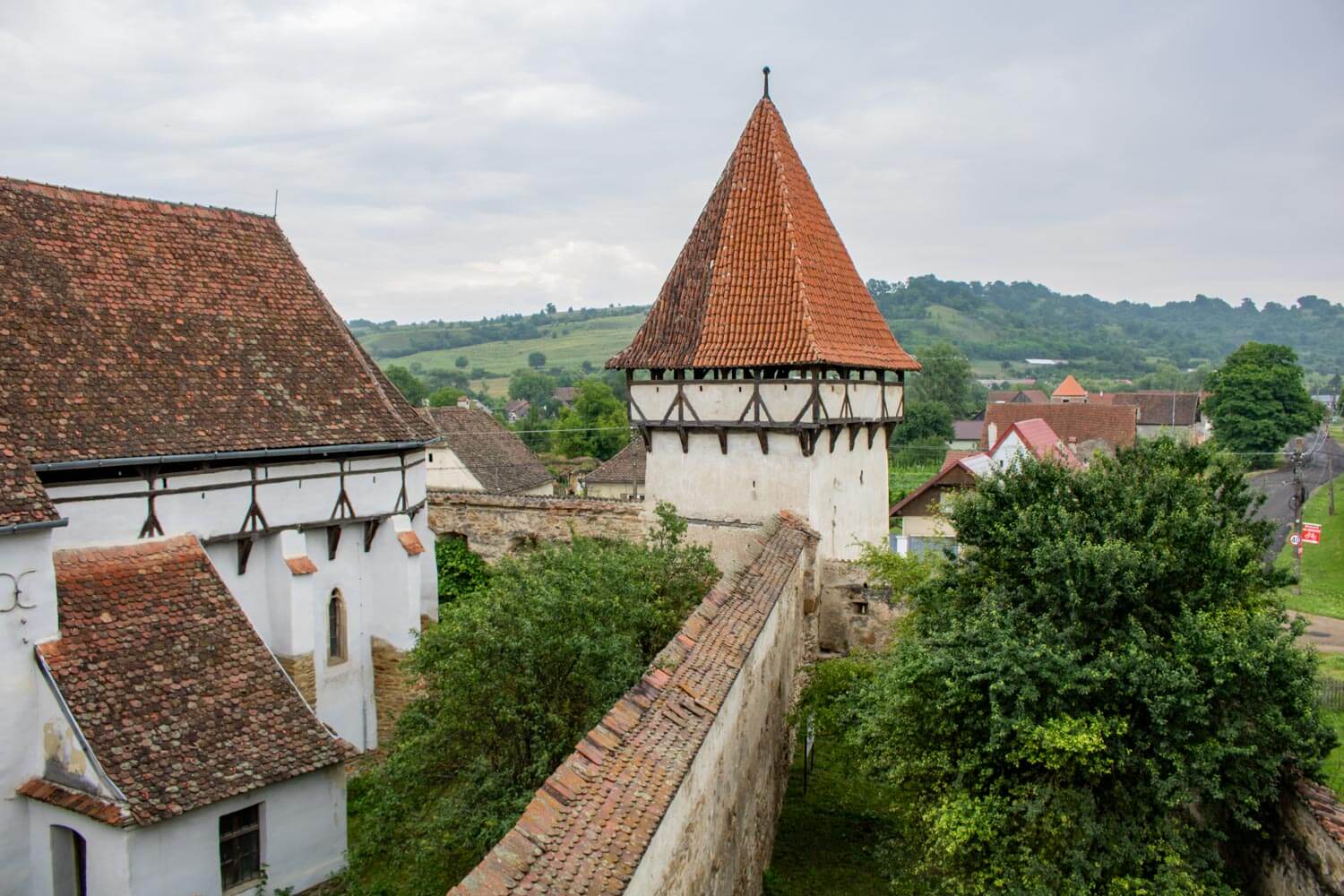
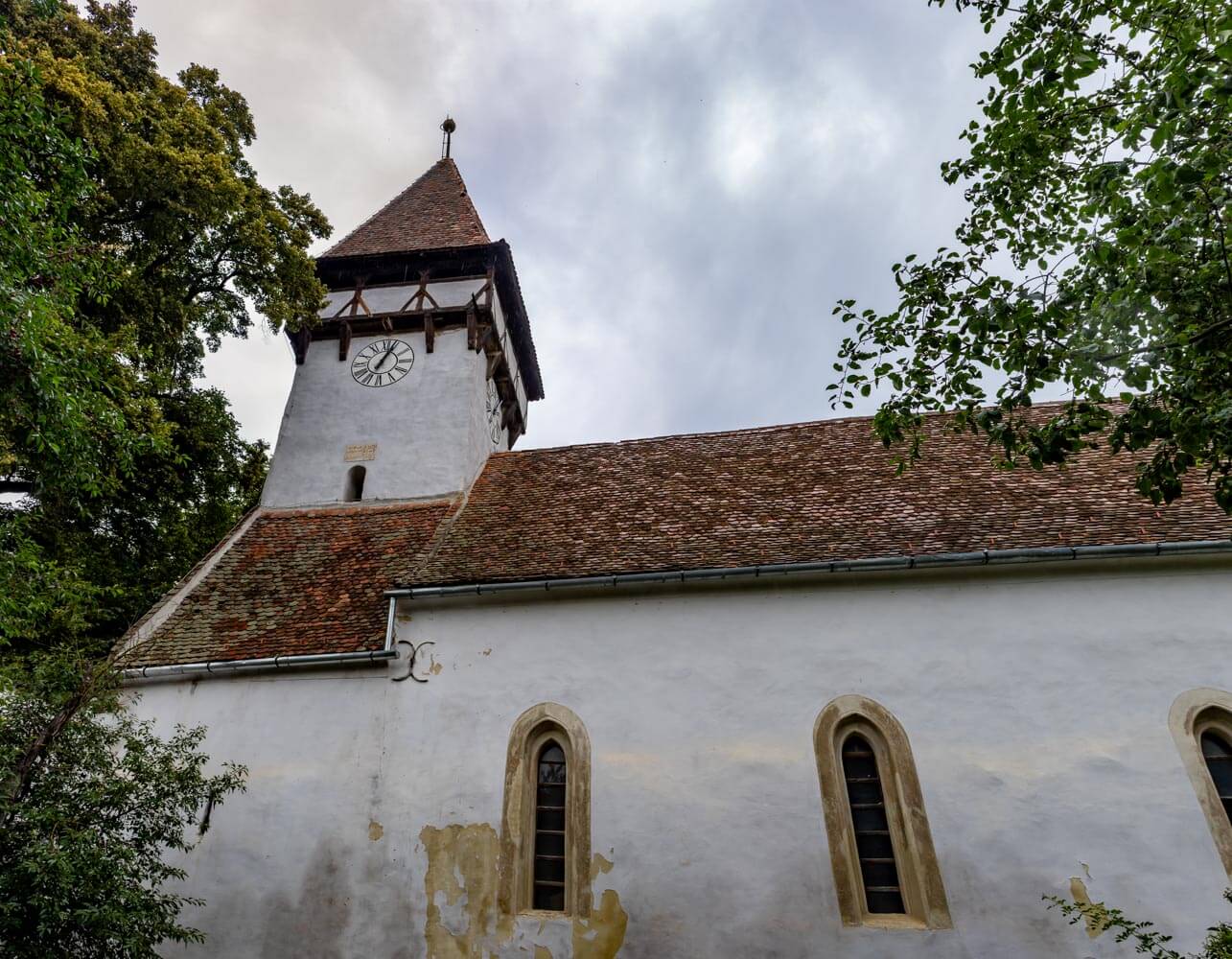
The earliest church was built in the second half of the 13th century, with a western tower forming part of the original structure. During the first half of the 15th century, the building was substantially rebuilt in the Gothic style, and after the Ottoman incursions of the period the community began strengthening it for defense. The choir received a defensive upper level, while the bell tower was enlarged and equipped with a timber fighting gallery.
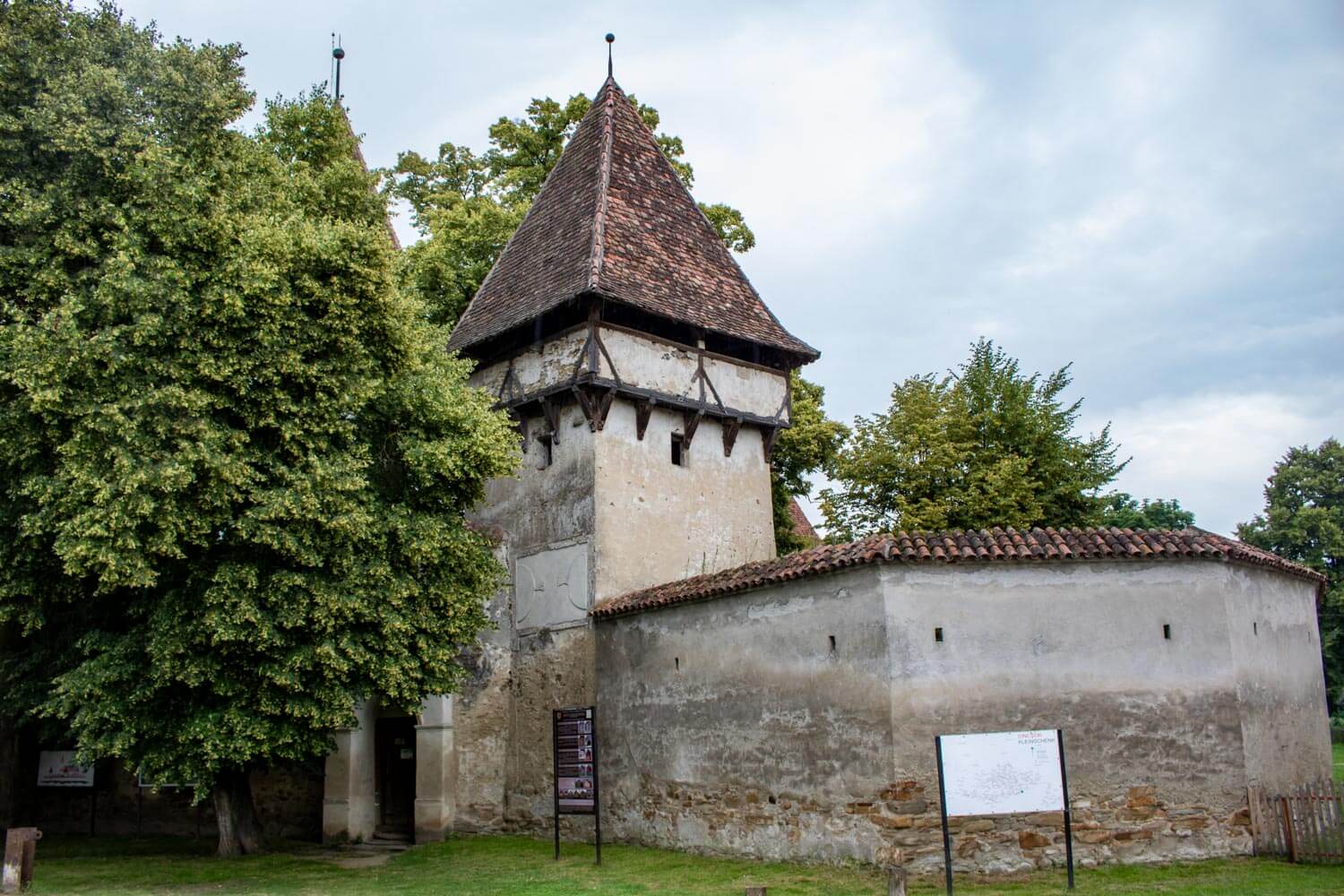
The church was then enclosed by a fortified wall with four defensive towers and an outer moat. Further work during the 15th and 16th centuries strengthened the enclosure, giving the villagers a protected refuge in times of attack. The settlement itself suffered heavily during later conflicts, including an attack in 1599 when much of Cincșor was burned.
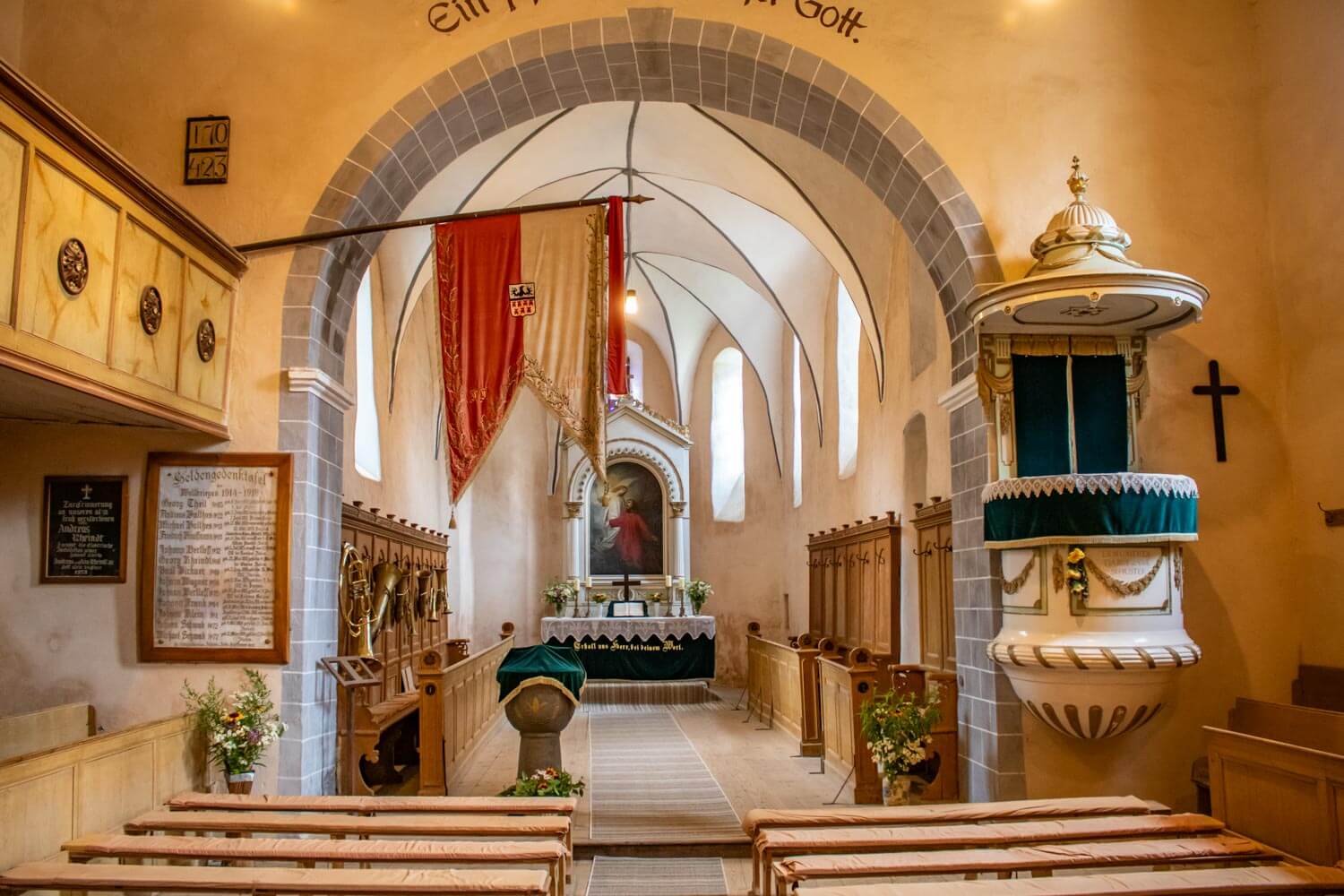
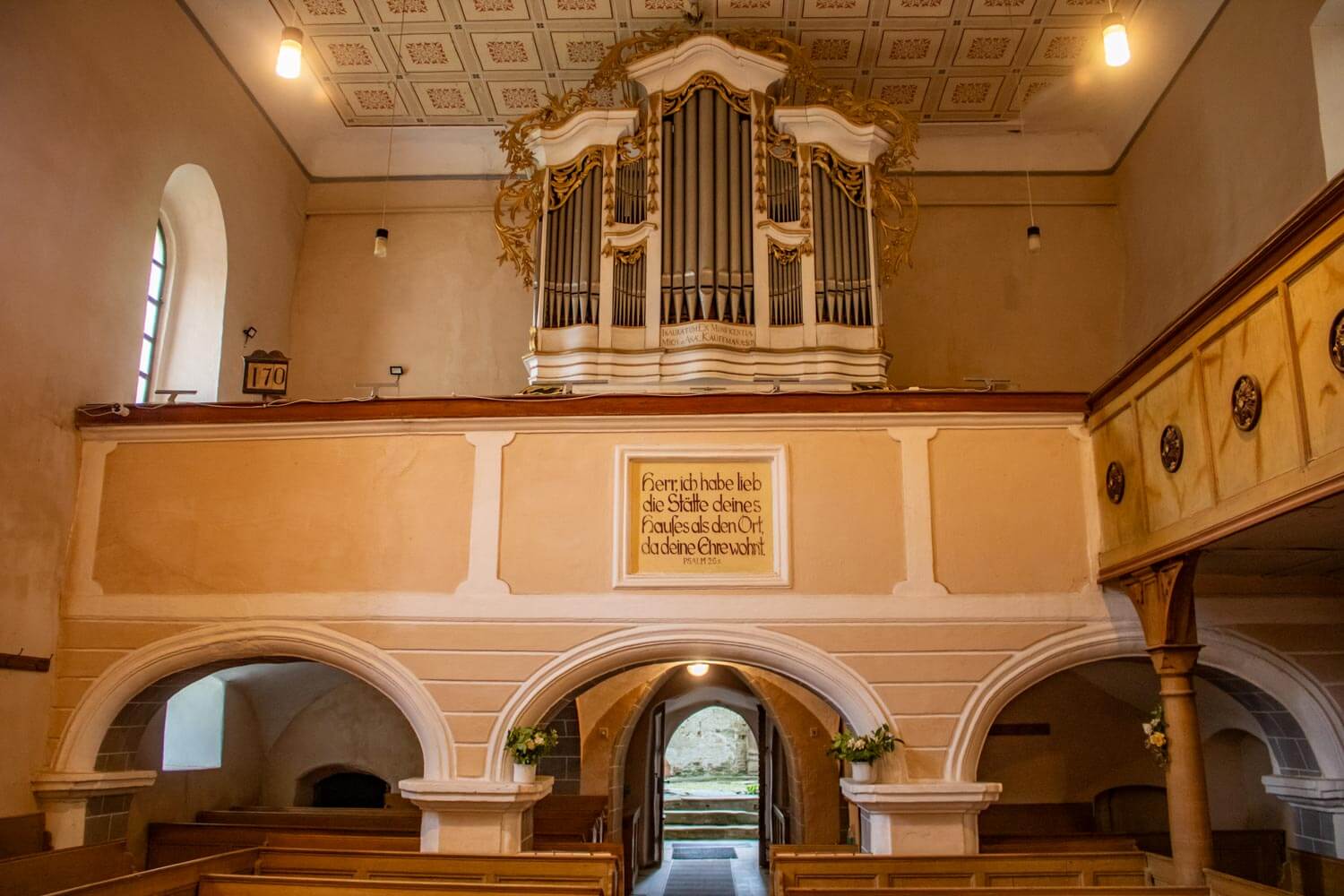
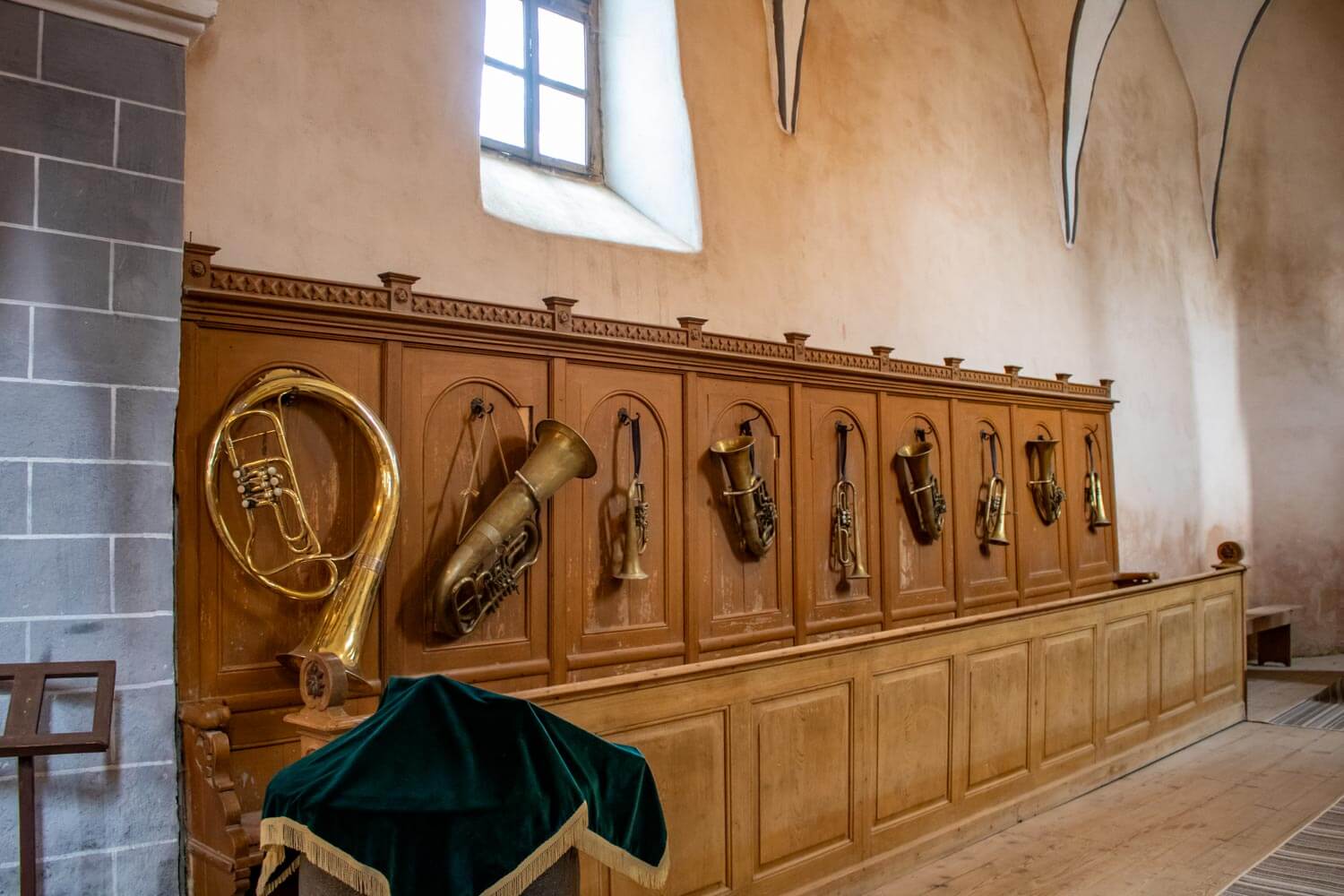
Inside, the church preserves furnishings and decoration from several later periods. The altar dates from the 19th century and was painted by Carl Dörschlag, while the organ dates from 1805. Together with the older Gothic structure, these later additions reflect the long religious life of the Saxon Lutheran community that continued to use the church long after its defensive role had disappeared.
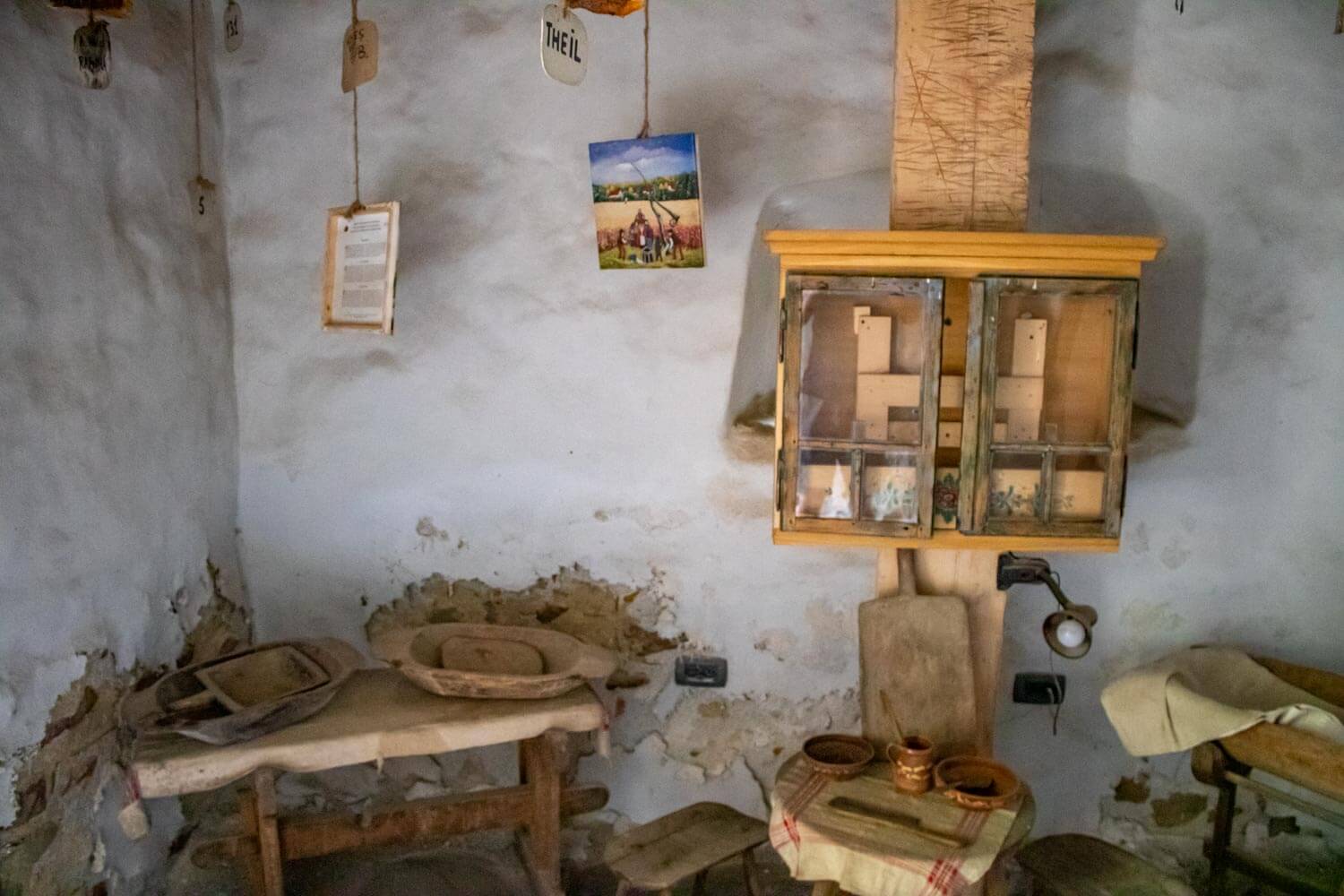
The surrounding ensemble also includes the former Evangelical school and parish house, which together with the church formed the traditional religious and communal center of the Saxon village. The church remains one of the clearest surviving reminders of Cincșor’s Transylvanian Saxon heritage and of the way worship, education and defense were once concentrated within the same village core.