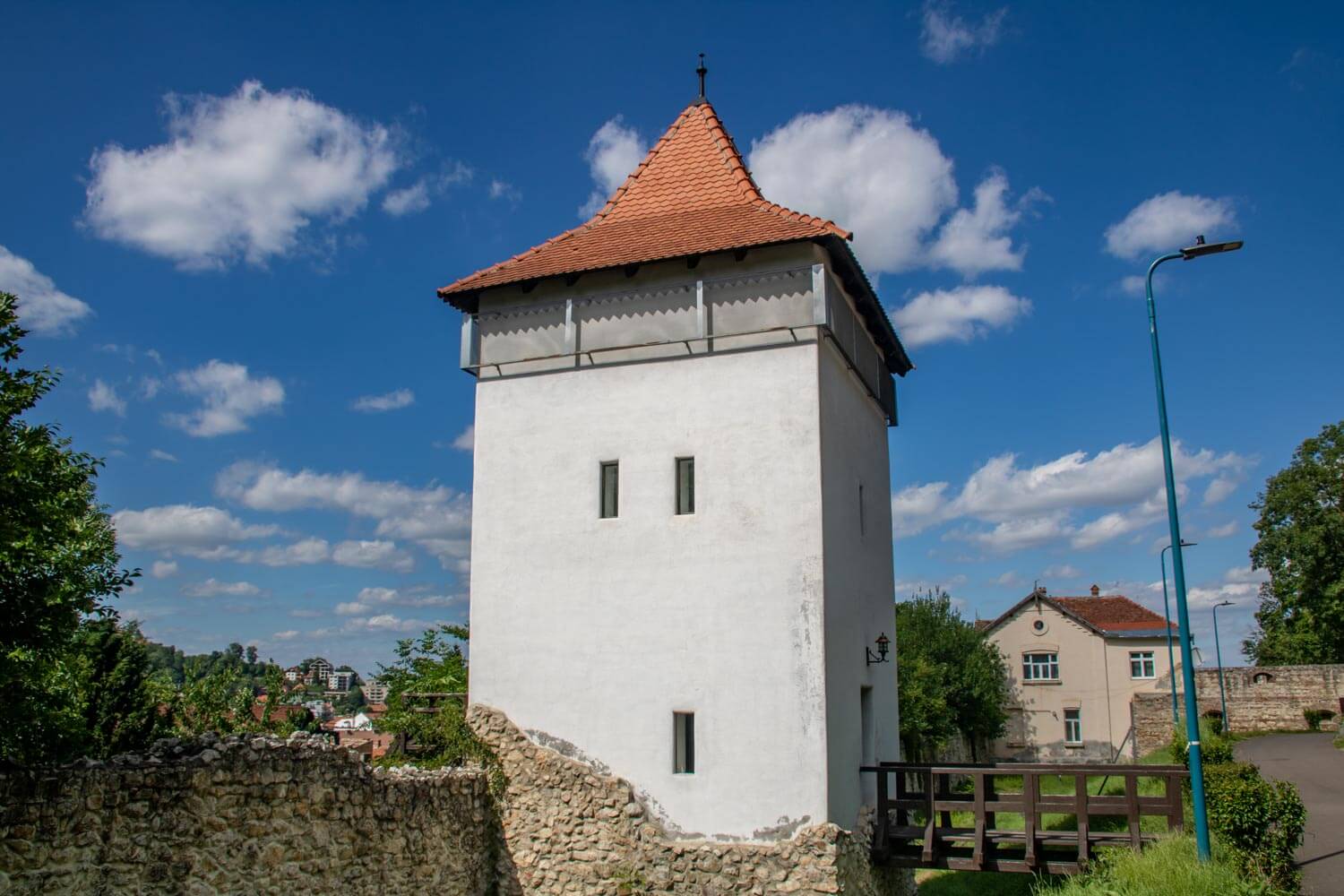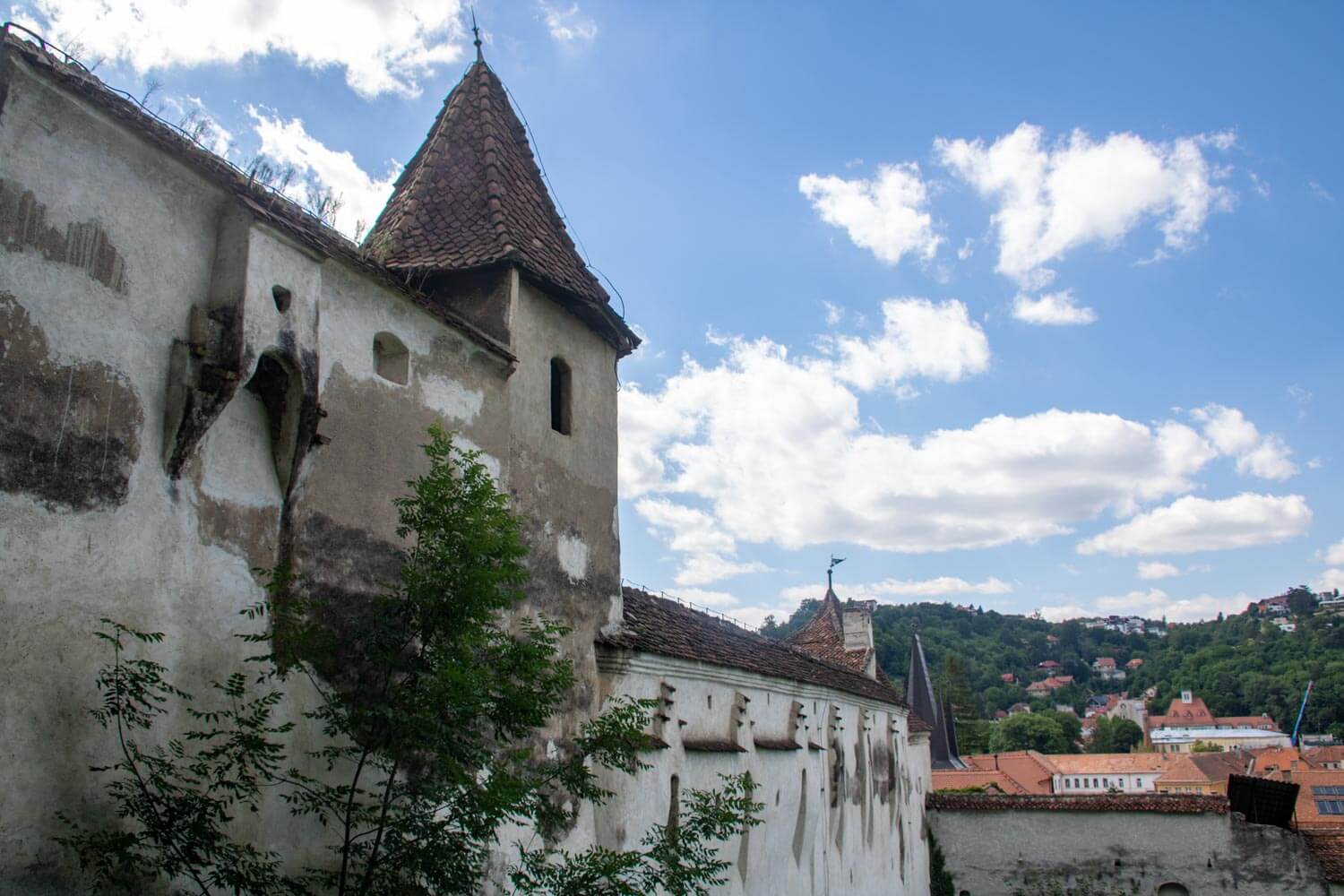
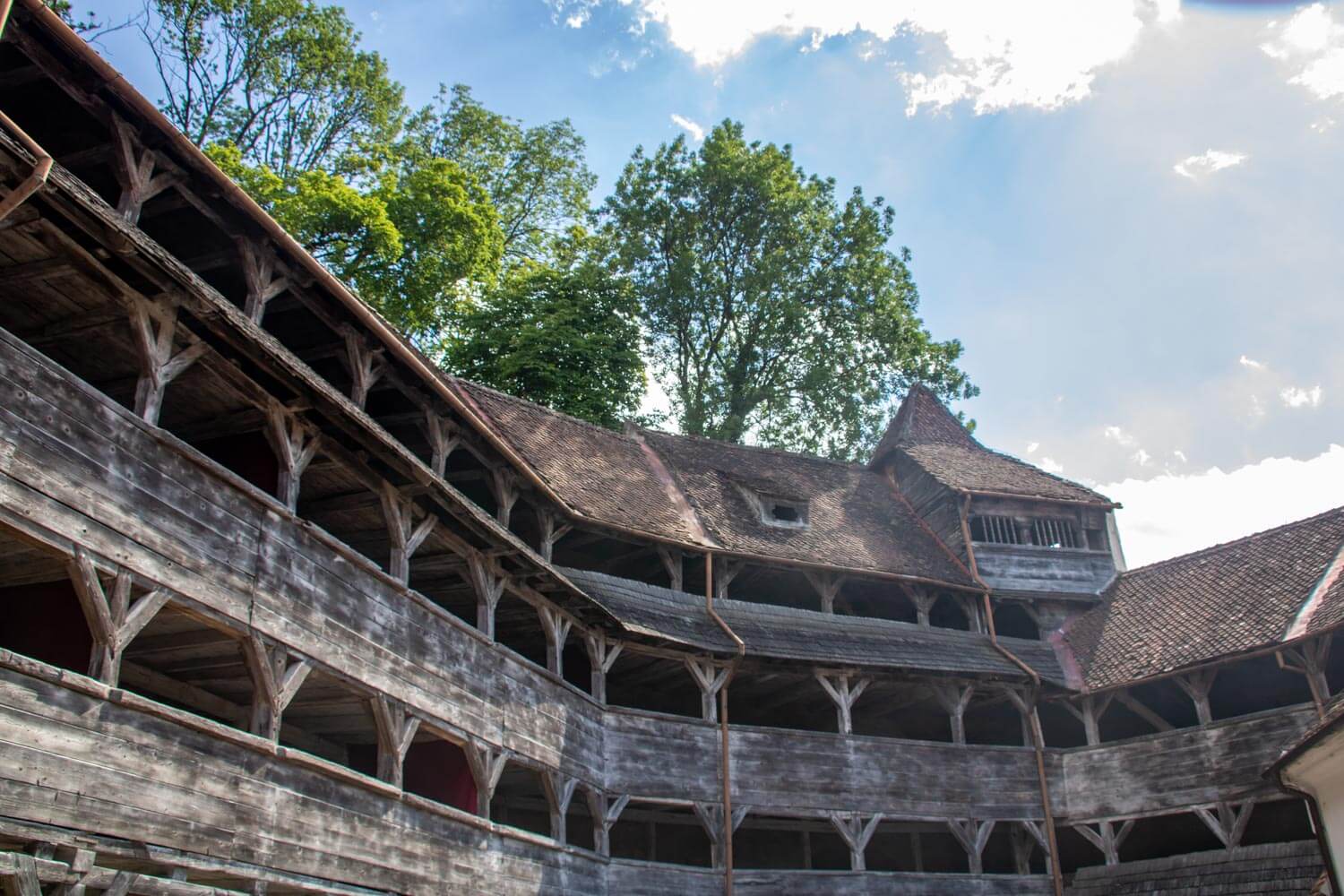
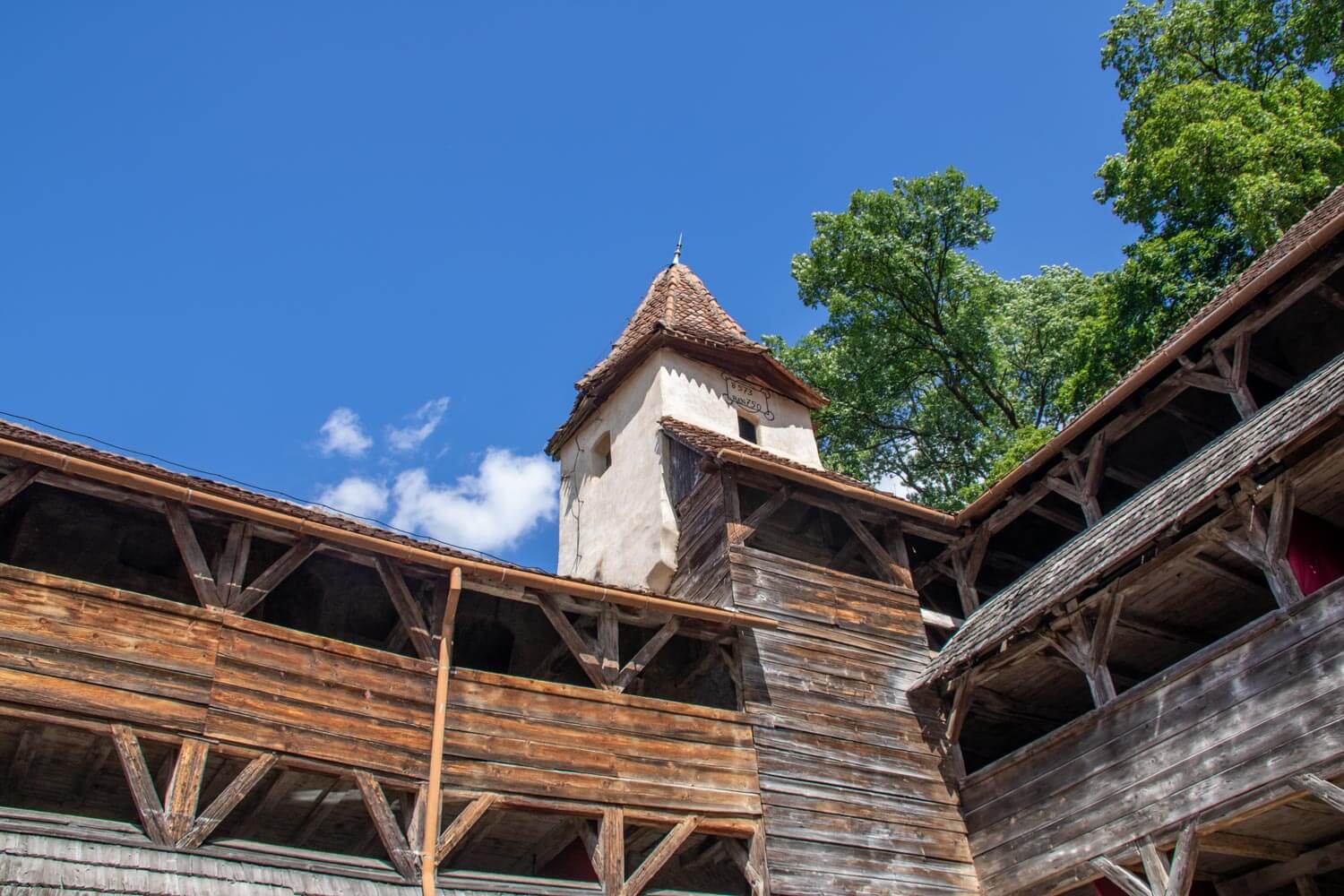
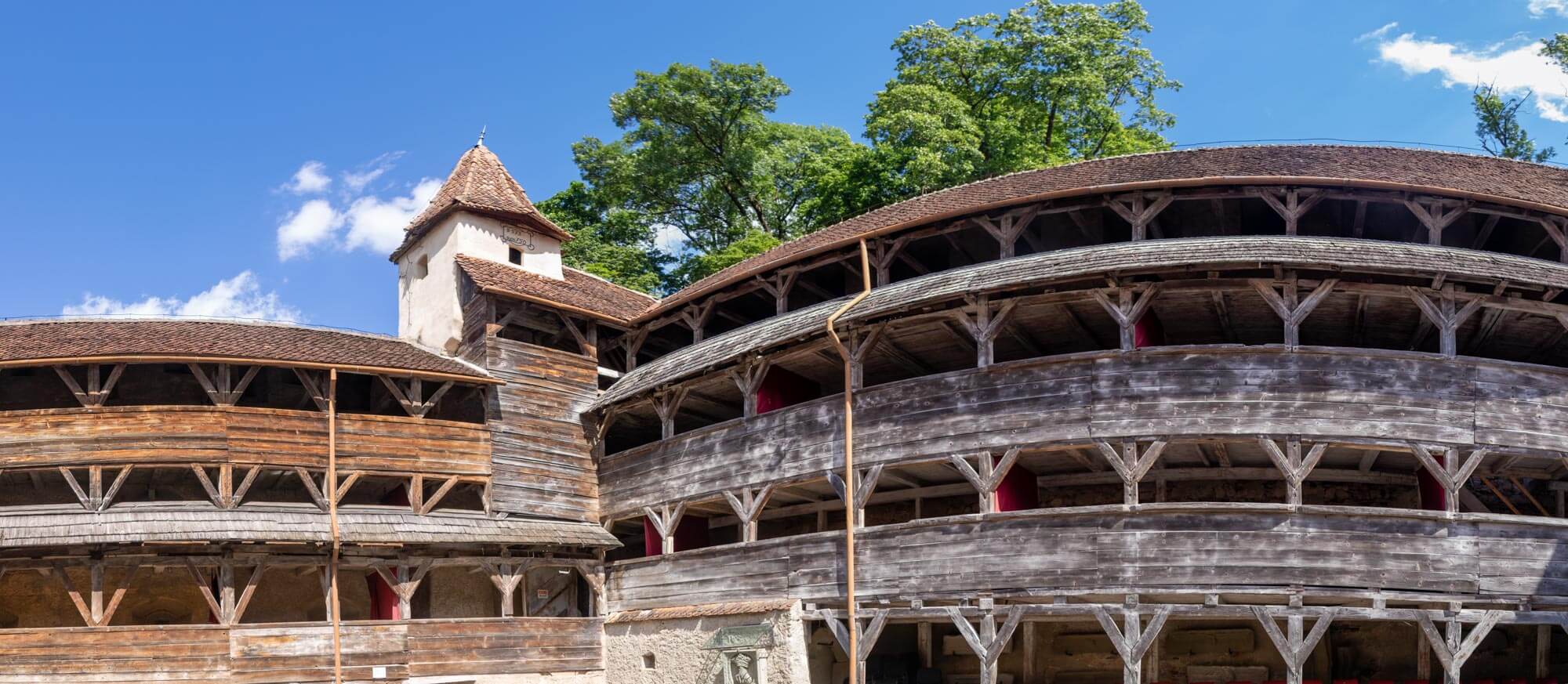
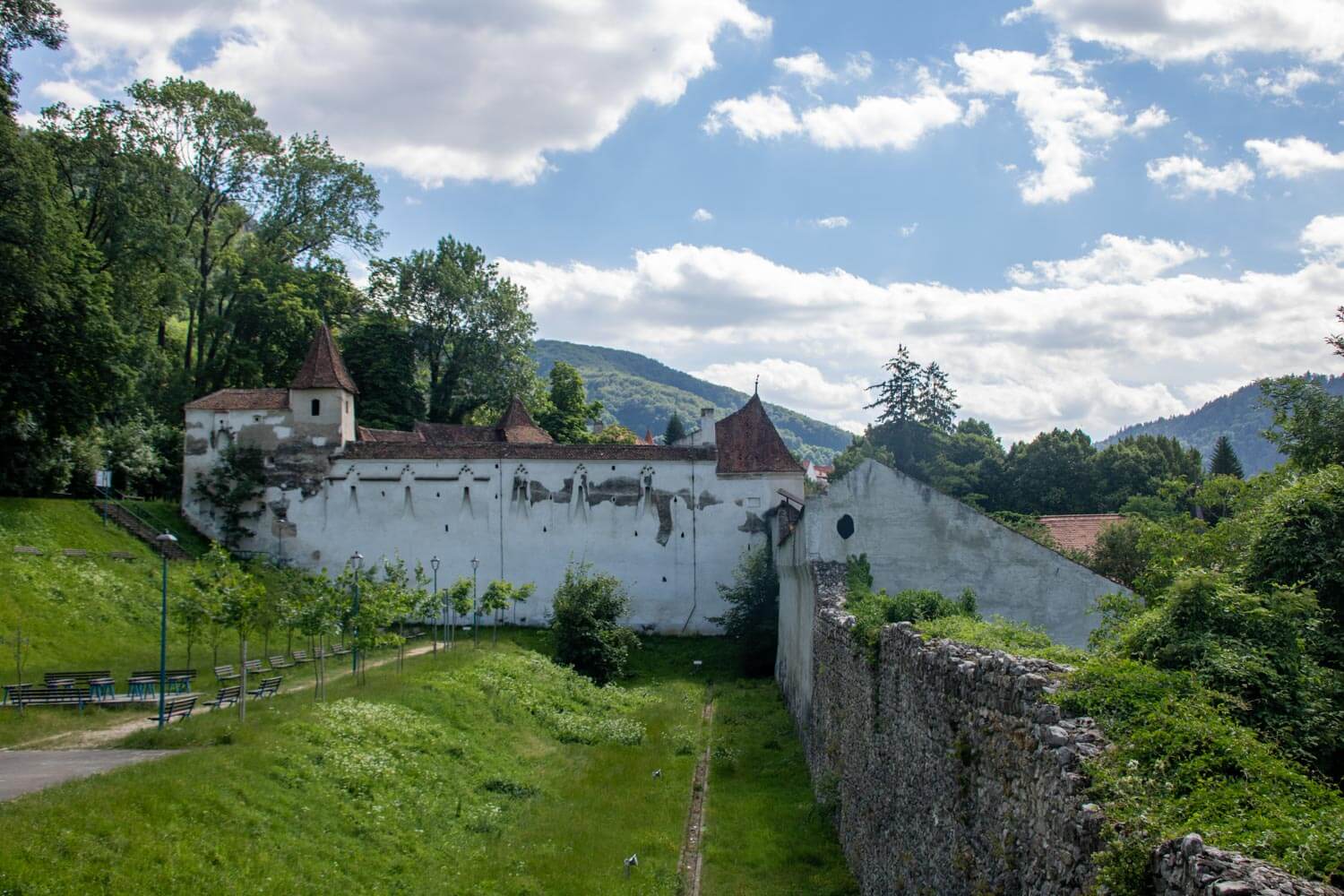
The Weavers’ Bastion (Bastionul Țesătorilor) in Brașov is part of the remains of the fortifications of the medieval city. The bastion is located on the southeastern corner of the old town, just north of Tampa Hill. It is one of the best-preserved parts of the fortifications and now houses a museum.
The Weavers’ Bastion was built in two phases, from 1421 to 1436 and from 1570 to 1573, and was used by the linen weavers guild, but was meant to withstand as an independent fortification. The walls are 4 meters thick at the base and also have narrow shooting holes and watchtowers, as the bastion played an important role in the protection of the city. The fact that the bastion has preserved its original form is unique because it survived the great fire of Brașov that took place in 1689.
Between the 1750s and 1800s, the Weavers’ Bastion lost its function as a defense fortification and was abandoned. Later functions of the bastion included a document storage, a millitary meeting place and a workshop for teaching young craftsmen. A ball and wedding hall was built as well and the building increasingly used for parties and opera concerts, as the inner walls and wooden galleries provided extraordinary accoustics.
Several renovation tooks place and the Weavers’ Bastion is now part of the Brașov County Museum of History. The collection exhibited inside the bastion include archaeological excavations, medieval weaponry, and other objects. The courtyard of the bastion is also still regularly used for concerts and festivals.