Coșula Monastery (Mănăstirea Coșula) is an Eastern Orthodox monastery in the village of Coșula, in Botoșani County. Founded in 1535 during the reign of Petru Rareș, the monastery preserves a 16th-century church dedicated to Saint Nicholas together with later monastic buildings arranged on a hillside above the Miletin valley.
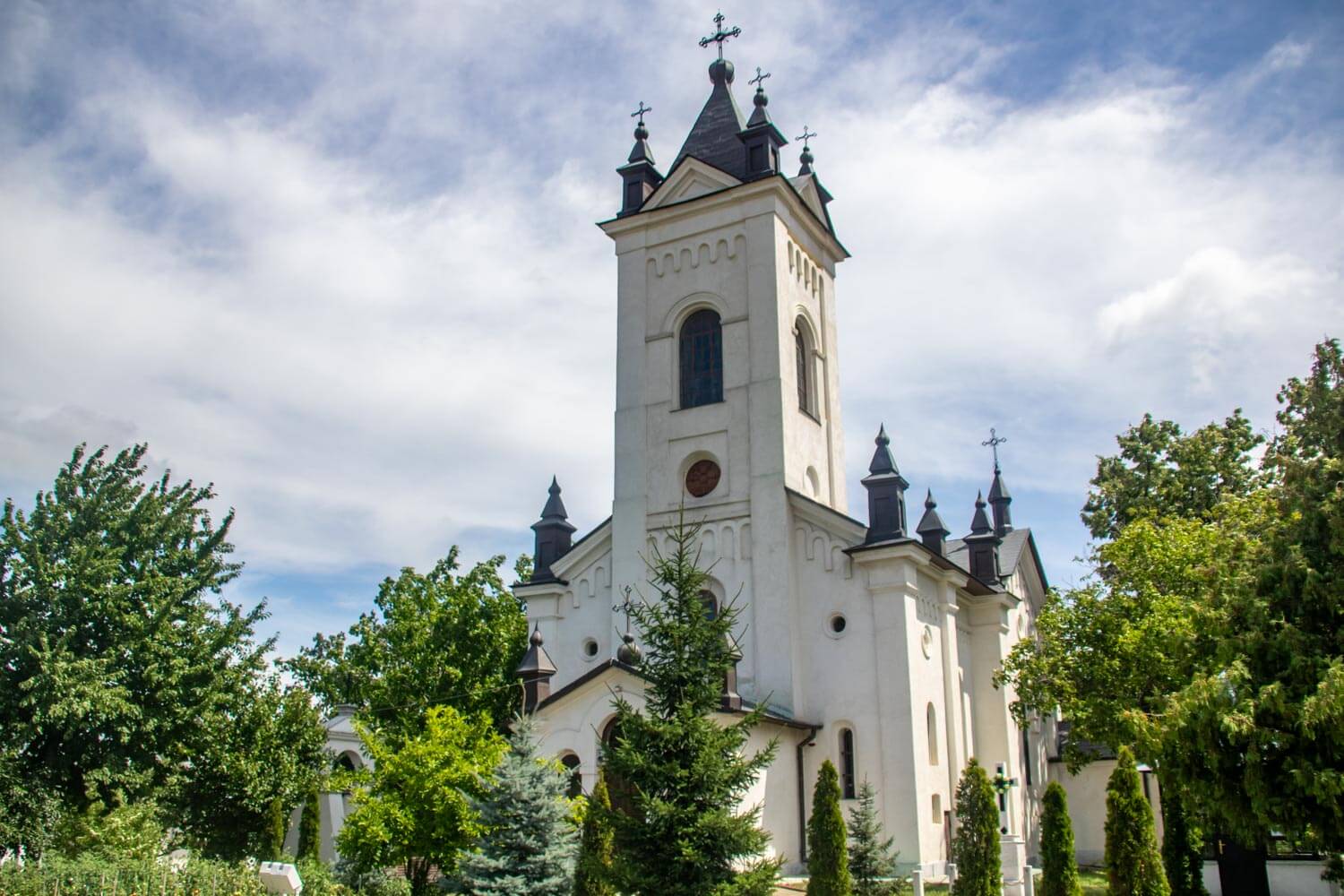
The monastery was founded by Mateiaș Coșolvei, the great treasurer of Prince Petru Rareș. An inscription above the entrance records that construction of the church began on April 23, 1535 and was completed on September 8 of the same year. Built of stone and brick, the church follows the traditional Moldavian trefoil plan, with Gothic-influenced stonework around its doors and windows and a tower rising above the nave. Unlike the more usual solid wall between the nave and narthex, the two spaces are divided by a broad supporting arch.
Painting followed only a few years later, around 1537-1538, when both the interior and exterior were covered with frescoes. Coșula was unusual among the churches of present-day Botoșani County for having a fully painted exterior, although almost all of those paintings were subsequently lost. A surviving section of the Last Judgment can still be seen on what was once the western exterior wall and is now sheltered by the later porch. The frescoes are particularly known for a strong yellow pigment commonly called “Coșula yellow,” while restoration of the interior has uncovered substantial areas of the original 16th-century painting beneath two later layers of oil paint.
Coșula later grew into a larger religious and cultural center, and most of the other historic buildings around the church date from the late 18th and early 19th centuries. They include the bell tower, abbot’s house, guest house, refectory, kitchens, cellars, and sections of the enclosure wall, giving the site the character of a complete monastic complex rather than an isolated medieval church. Archaeological investigations have also uncovered pottery kilns from the 16th and 17th centuries within the monastery grounds.
An important chapter in the monastery’s cultural history came to wider attention in 1908, when historian Nicolae Iorga discovered here a manuscript containing the earliest known Romanian translation of Herodotus’ Histories. The translation itself is thought to date from around the middle of the 17th century, while the manuscript preserved at Coșula was a later copy made in 1816 from earlier versions. Iorga published the text in 1909, and the manuscript subsequently entered the collection of the Romanian Academy Library.
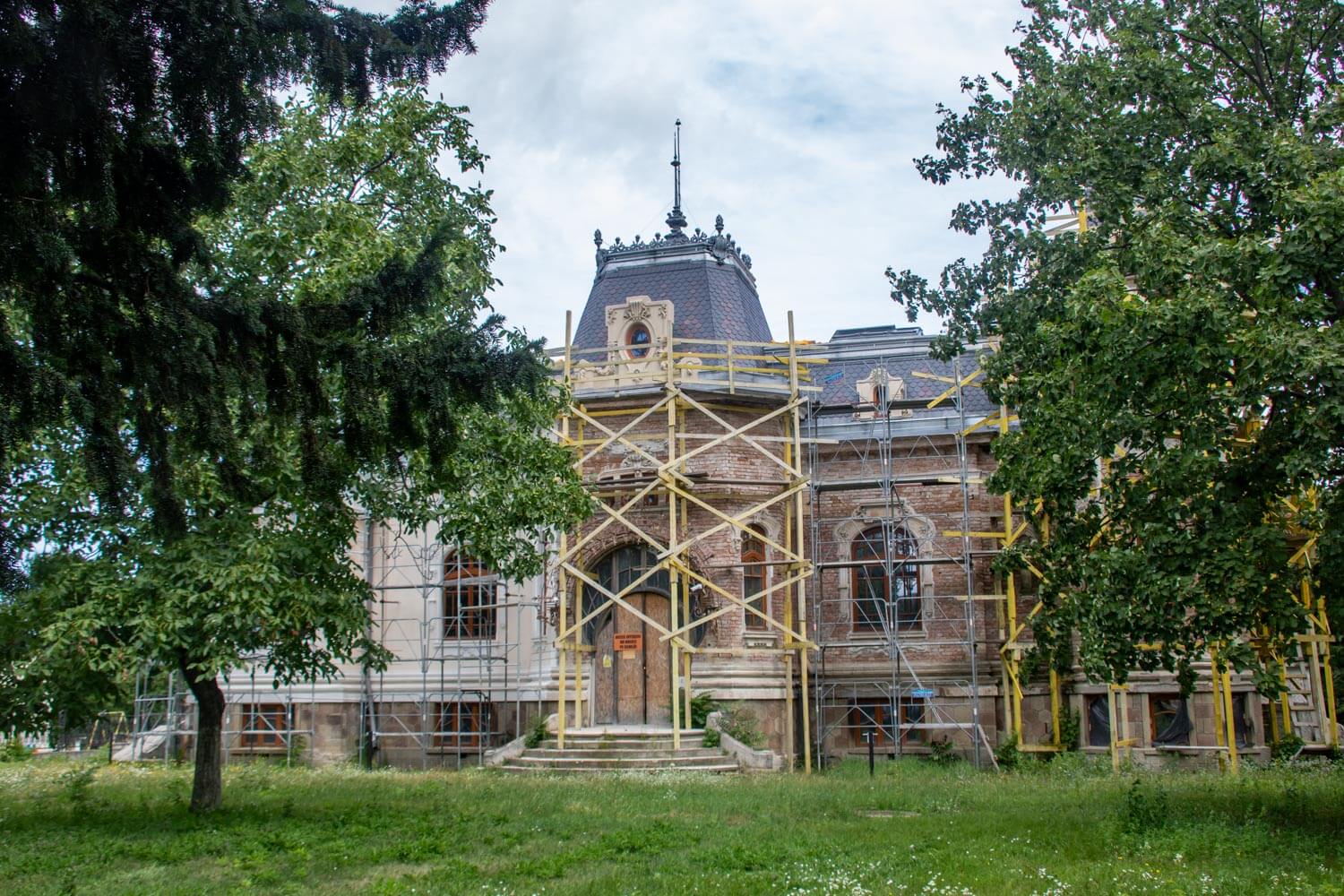
Monastic life eventually declined and the church served as a parish church during much of the 20th century before a monastic community returned in the early 1990s. A major restoration of the ensemble began in 2014 and included the church, abbot’s residence, bell tower, cellars, and enclosure wall, together with conservation of the surviving mural paintings.
The most distinctive surviving details are the 16th-century frescoes inside the church and the fragment of the Last Judgment preserved on the former western exterior wall beneath the later porch. Around the church, the bell tower, abbot’s house, cellars, and other restored monastic buildings show how the original 1535 foundation expanded into a much larger ensemble over the following centuries.