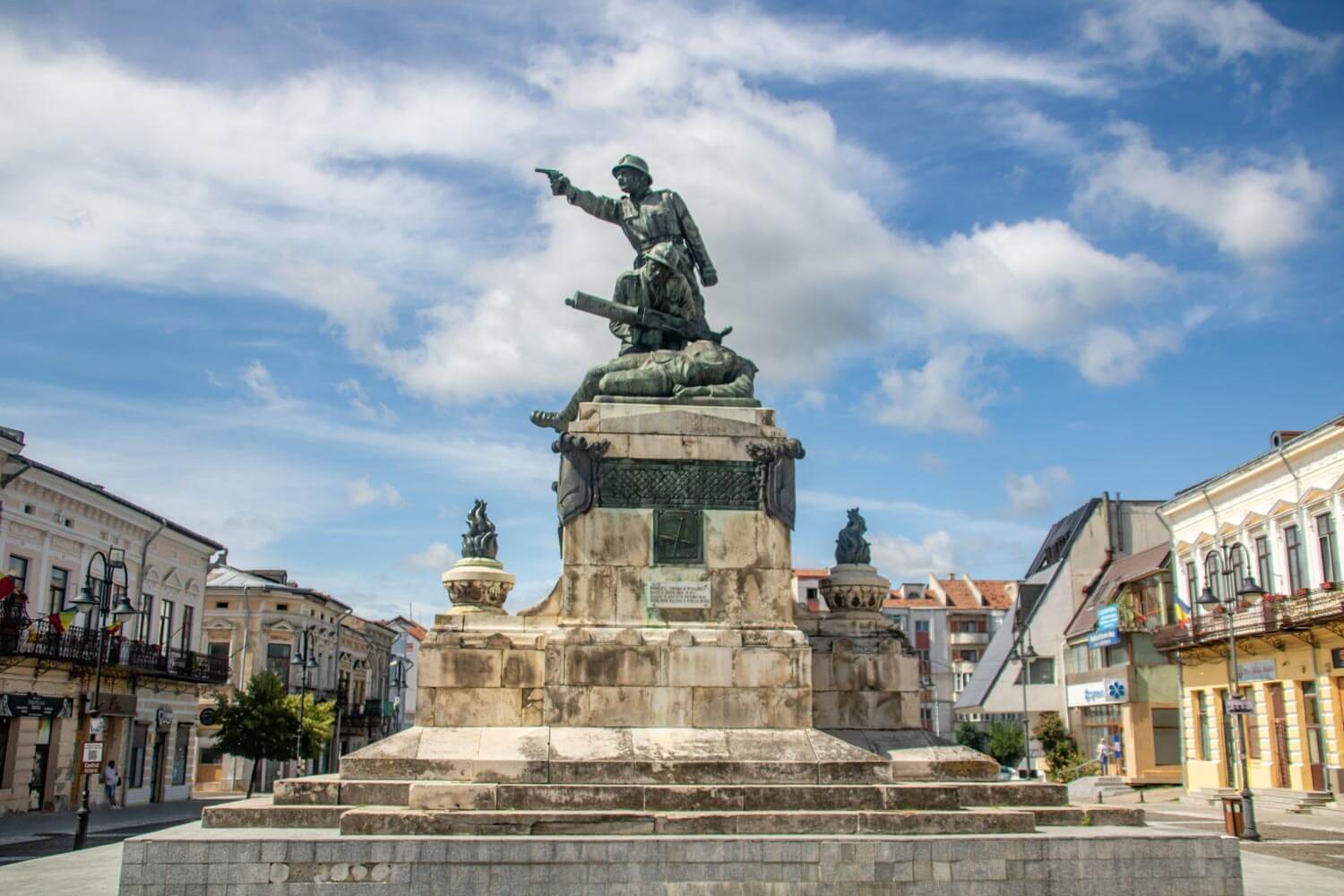
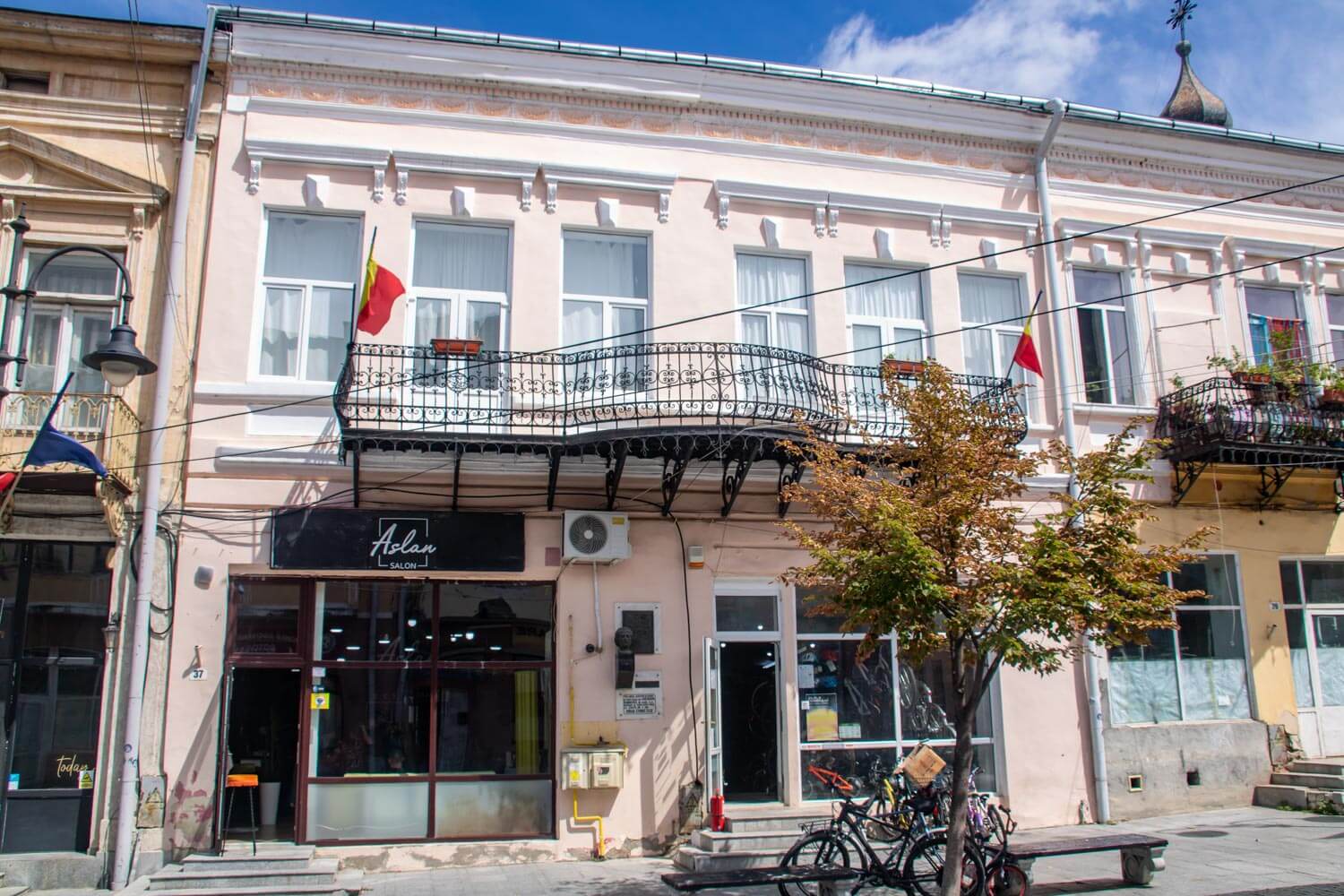
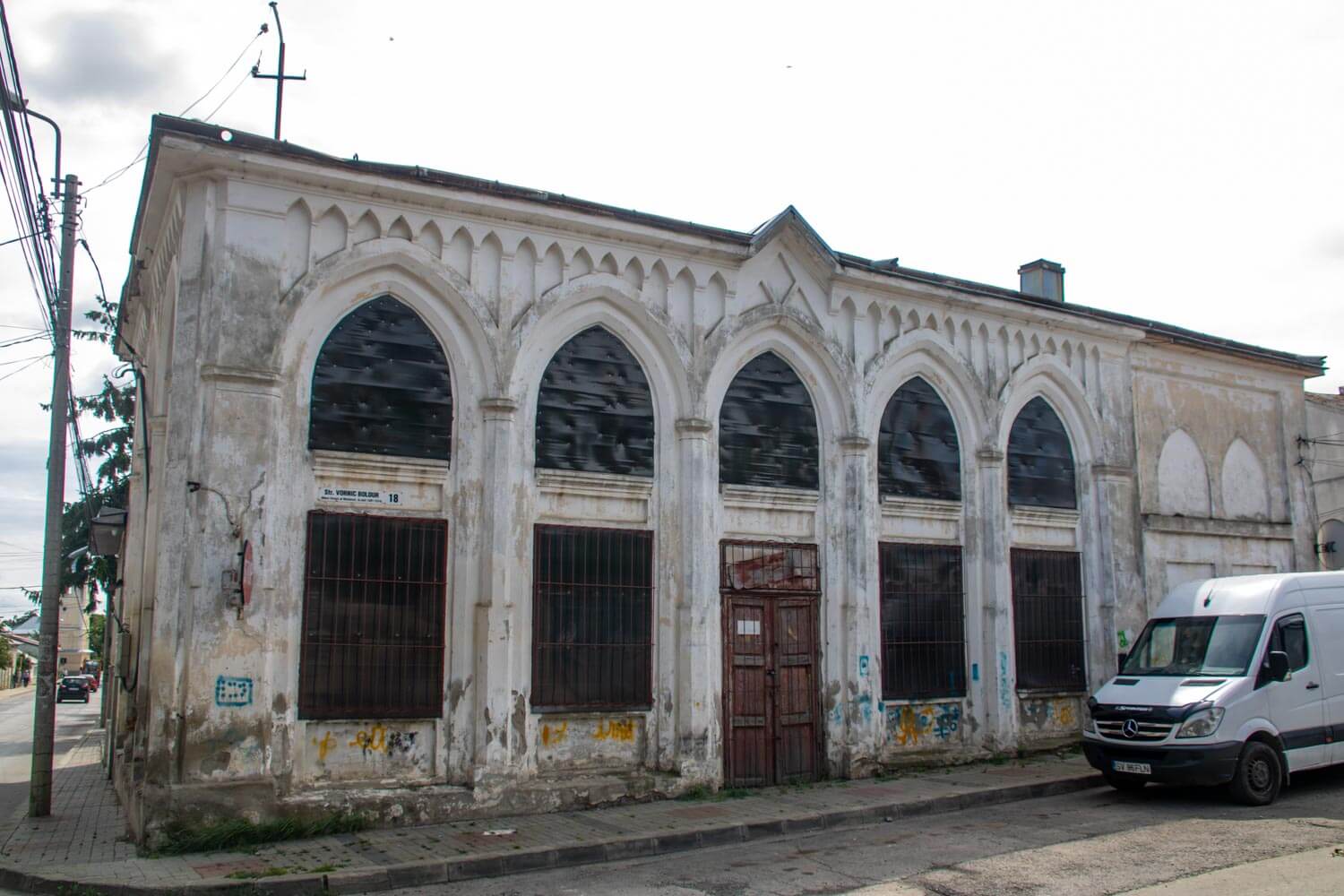
1 December 1918 Street (Strada 1 Decembrie 1918) is one of the main streets through the historic center of Botoșani, with its eastern section forming a pedestrianized commercial street lined by historic façades. Together with 1 December 1918 Square, it preserves much of the old commercial core that developed around Botoșani’s principal market routes.
The street follows part of the route once known as Strada Mare, the main commercial artery through the medieval and 19th-century town. Botoșani grew around these trading routes before commercial activity became increasingly concentrated around the adjoining market square during the 19th century. Merchants, craftsmen and bankers established shops and houses along the street, turning it into one of the busiest parts of the city center.
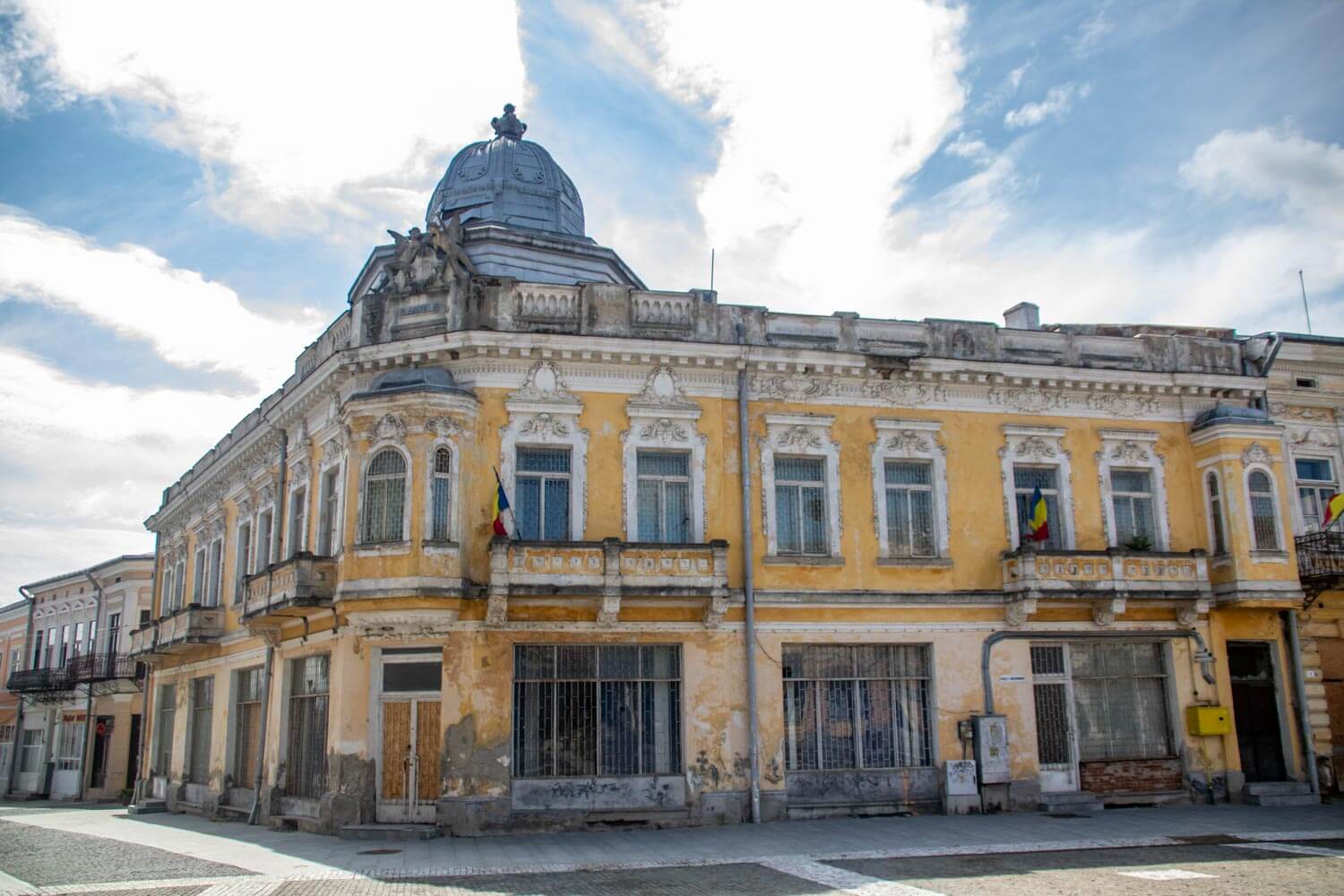
Much of the present architecture dates from the decades after the great fire of 1887, when large parts of the commercial center were rebuilt. Many of the surviving buildings combined shops on the ground floor with living quarters above or behind, while inner courtyards were arranged with wooden galleries, wrought-iron balconies and enclosed verandas. Their street façades use a wide range of mostly Western-influenced architectural details, reflecting the Romanian, Armenian and Jewish merchant communities that shaped the center during this period.
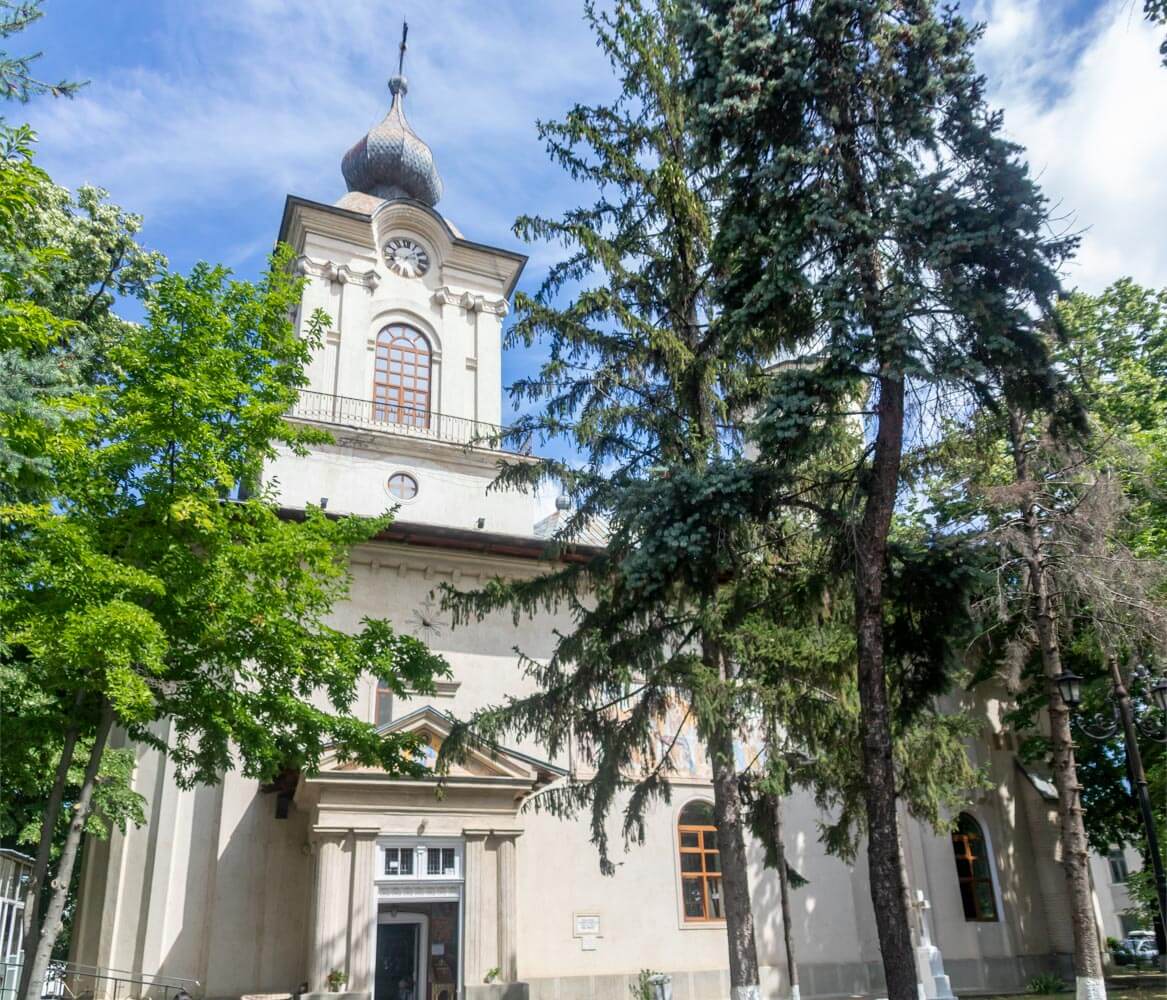
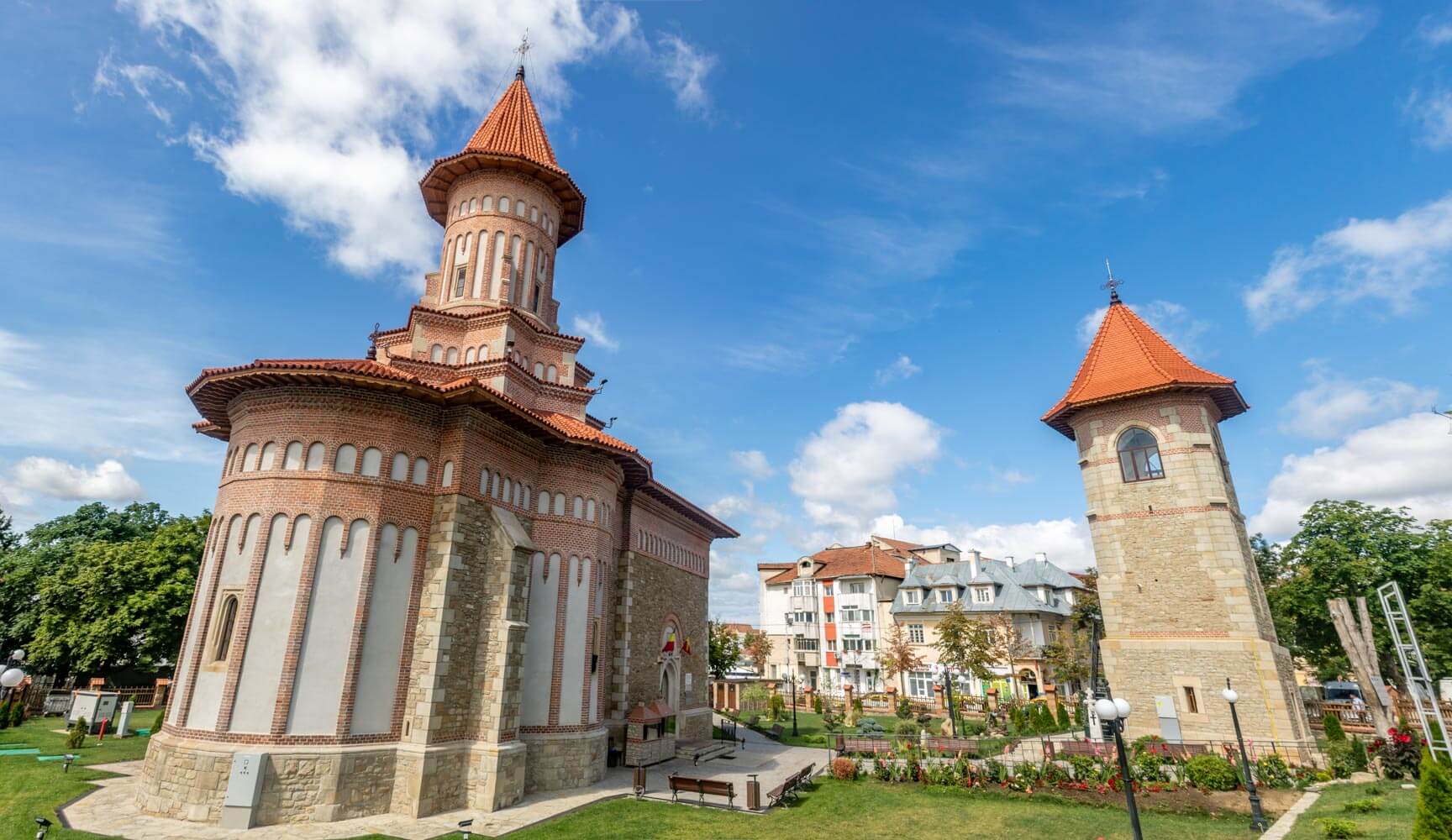
The pedestrian section still functions as a shopping street, with stores and services occupying many of the ground-floor commercial spaces beneath the historic upper façades. Among the individually notable buildings is Ankele House at the corner with the square, while the house at no. 35 marks the birthplace of Romania’s national poet Mihai Eminescu, who was baptized in the Uspenia Church at no. 43.
The Medieval Ovens of Botoșani add a much earlier layer to the street’s history. Discovered below modern street level, the surviving 15th-century ovens were used for pottery production and ironworking and preserve direct evidence of the craft activity that already existed here centuries before the present façades were built.