The Roșia Montană Mining Museum (Muzeul Mineritului Roșia Montană) is a mining heritage museum in Roșia Montană, offering guided visits through original Roman gold-mining galleries beneath the Orlea Massif. The museum also includes outdoor displays of historic mining equipment and an indoor photographic exhibition documenting the area’s long history of gold extraction.
History
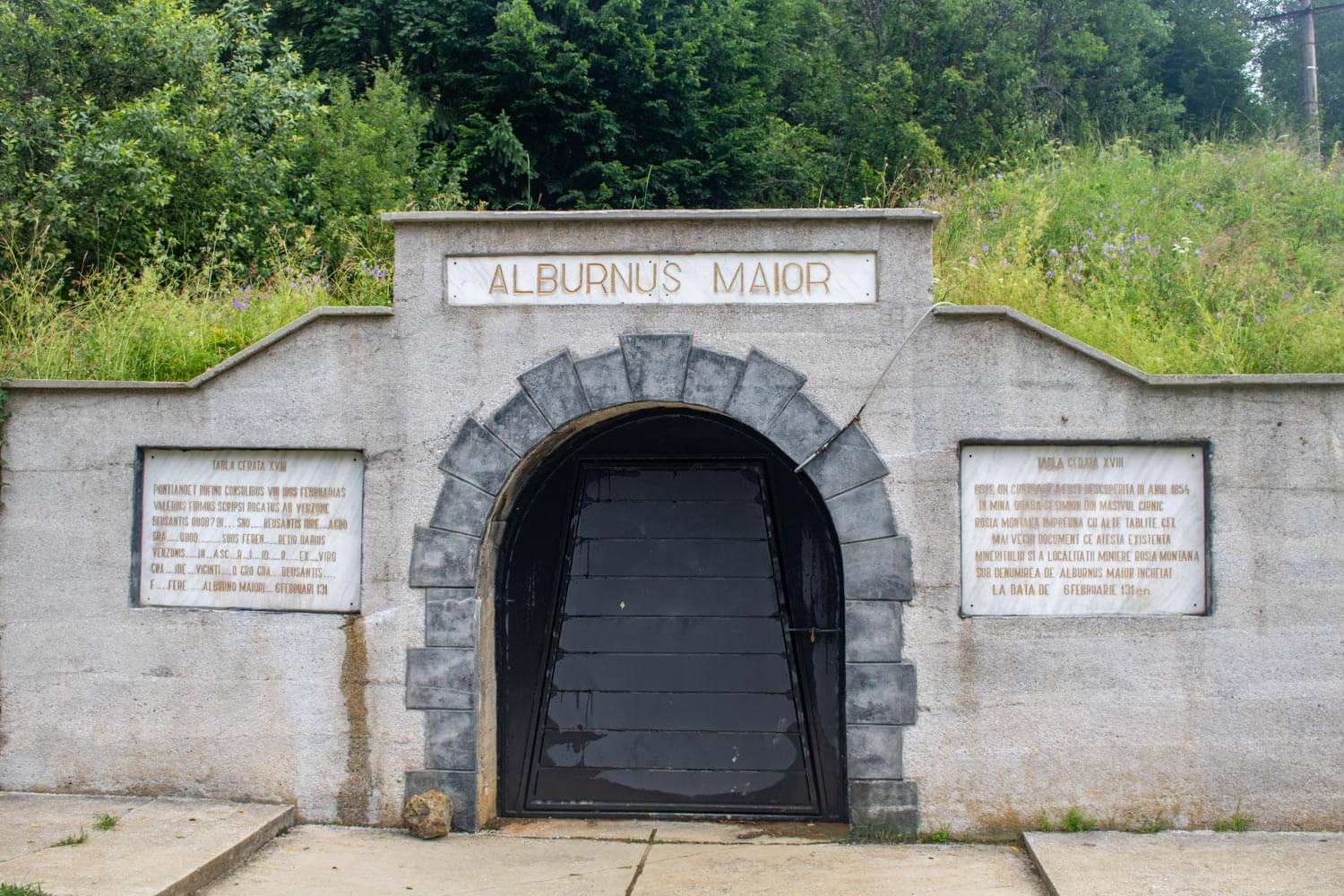
Gold has shaped the history of Roșia Montană for nearly two thousand years. During Roman rule, the settlement was known as Alburnus Maior, and its rich gold and silver deposits attracted miners who excavated an extensive network of underground galleries. Working with simple hand tools, they cut deep into the mountains in search of precious metals, leaving behind passages that provide remarkable evidence of ancient mining techniques.
Mining continued long after the Roman withdrawal, sustaining the settlement through the medieval period and into modern times. Over the centuries, miners developed new ways to extract and process the ore, using water-powered equipment before the introduction of increasingly mechanized methods. The mountains gradually became riddled with workings from different periods, creating a mining landscape in which ancient galleries existed alongside much later industrial installations.
As mining technology advanced, the older workings lost their practical purpose but gained historical importance. In 1981, the Mining Museum opened within the state mining complex, preserving a section of the Roman galleries alongside machinery, archaeological finds, and other evidence of the area’s mining history. The museum offered a way to understand how generations of miners had worked the same deposits using very different techniques.
Industrial mining eventually ceased in 2006, leaving Roșia Montană facing an uncertain economic future. Proposals for a large modern open-pit gold mine brought renewed attention to the region, but also raised concerns about the destruction of its ancient workings, historic buildings, and natural landscape. The resulting debate over mining and preservation attracted international attention, culminating in the inscription of the Roșia Montană Mining Landscape on the UNESCO World Heritage List in 2021.
Guided Tour
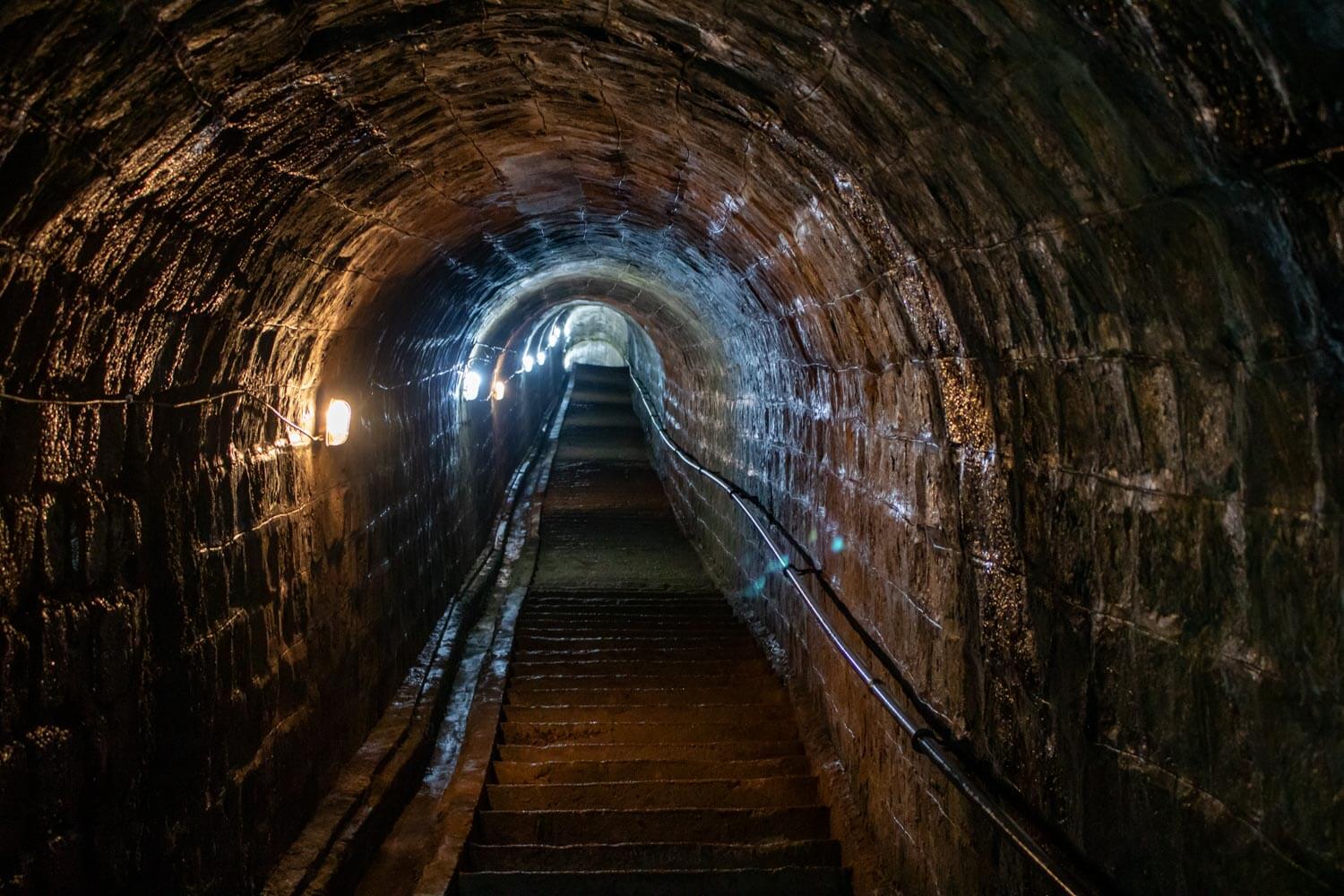
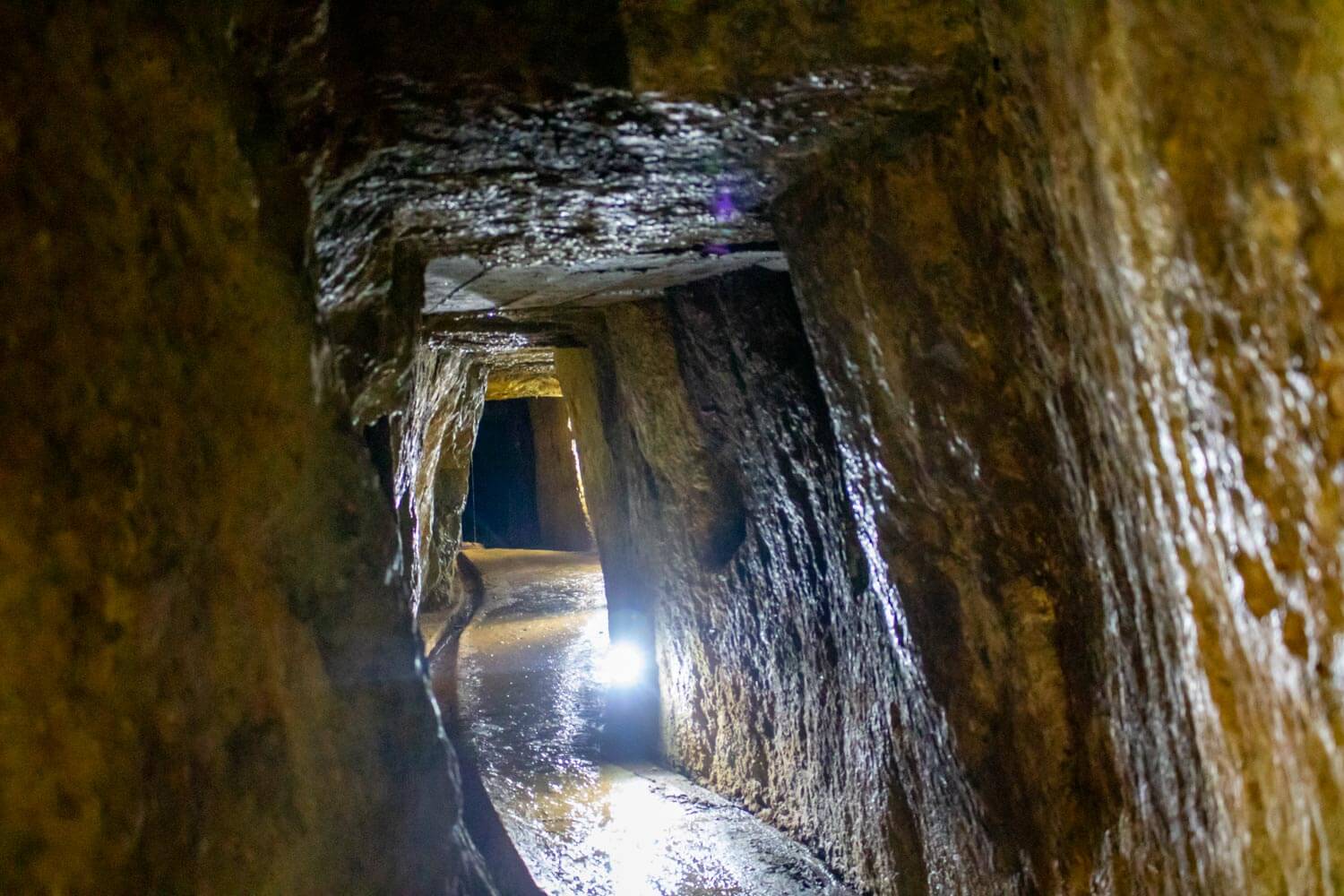
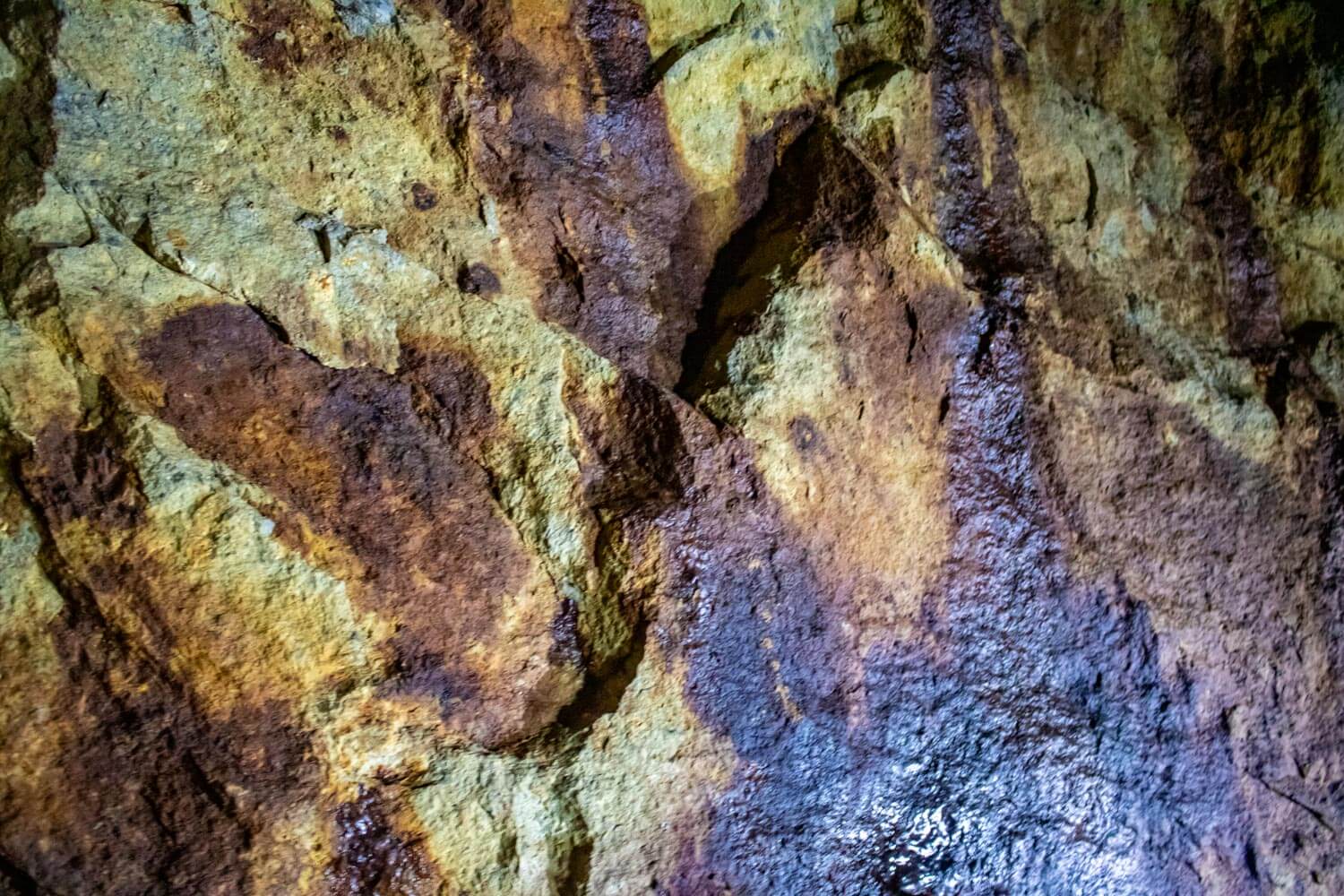
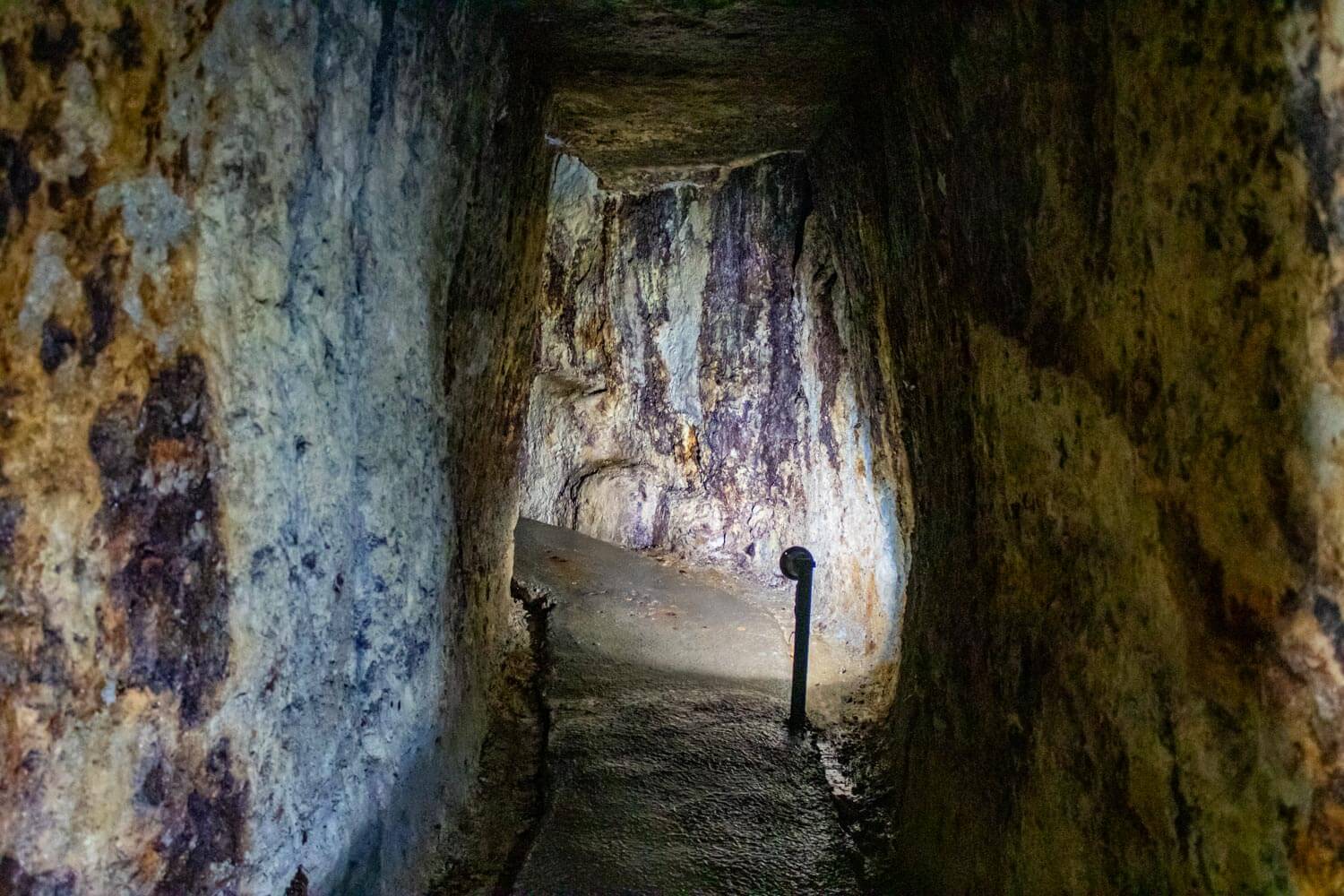
The highlight of the museum visit is the descent into the Roman galleries, reached through an inclined passage with 157 steps. Approximately 170 meters of original Roman mining tunnels are accessible across two underground levels, with electric lighting illuminating the narrow passages carved nearly 2,000 years ago. Their characteristic trapezoidal shape, wider at the floor than at the ceiling, reveals the techniques used by the ancient miners.
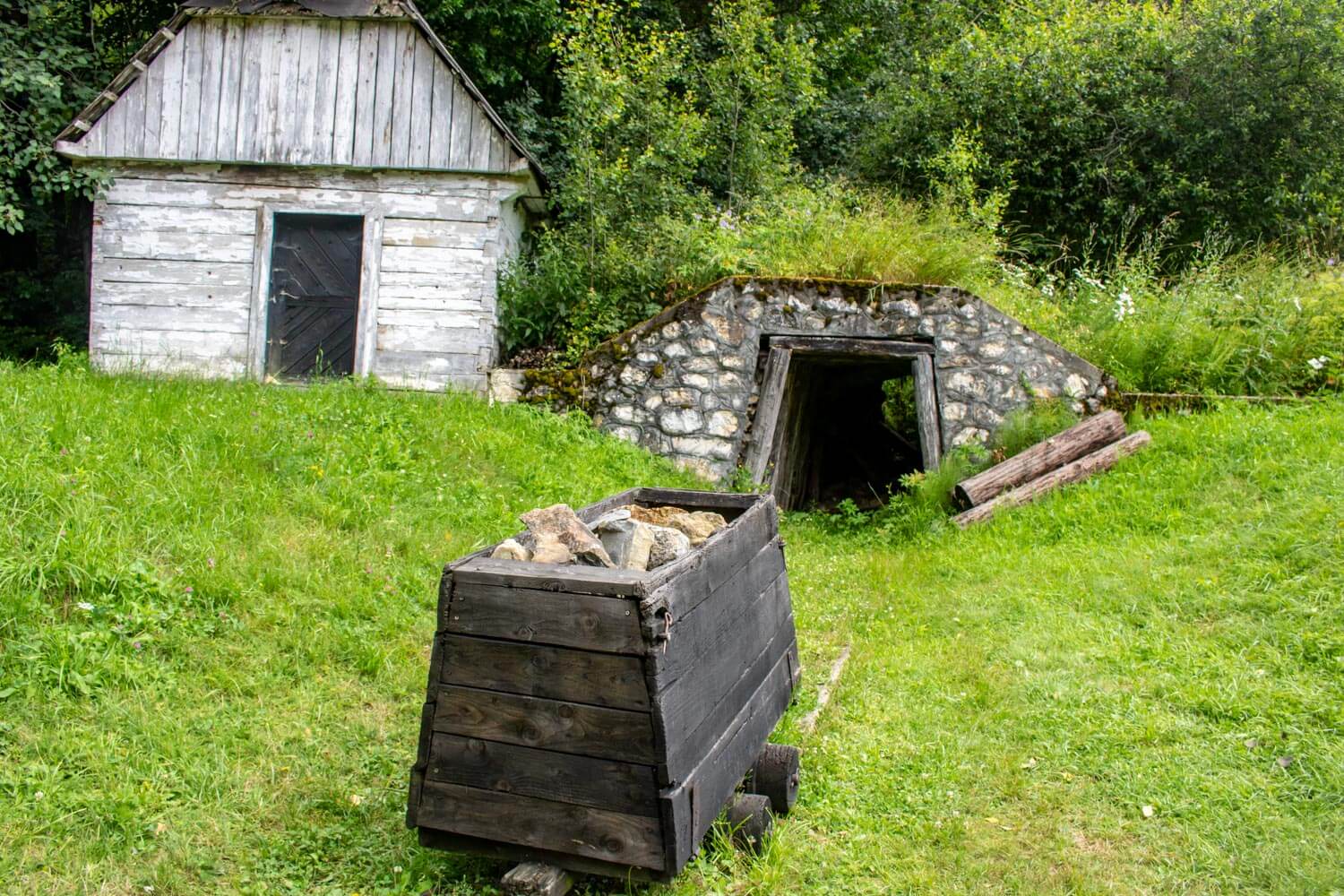
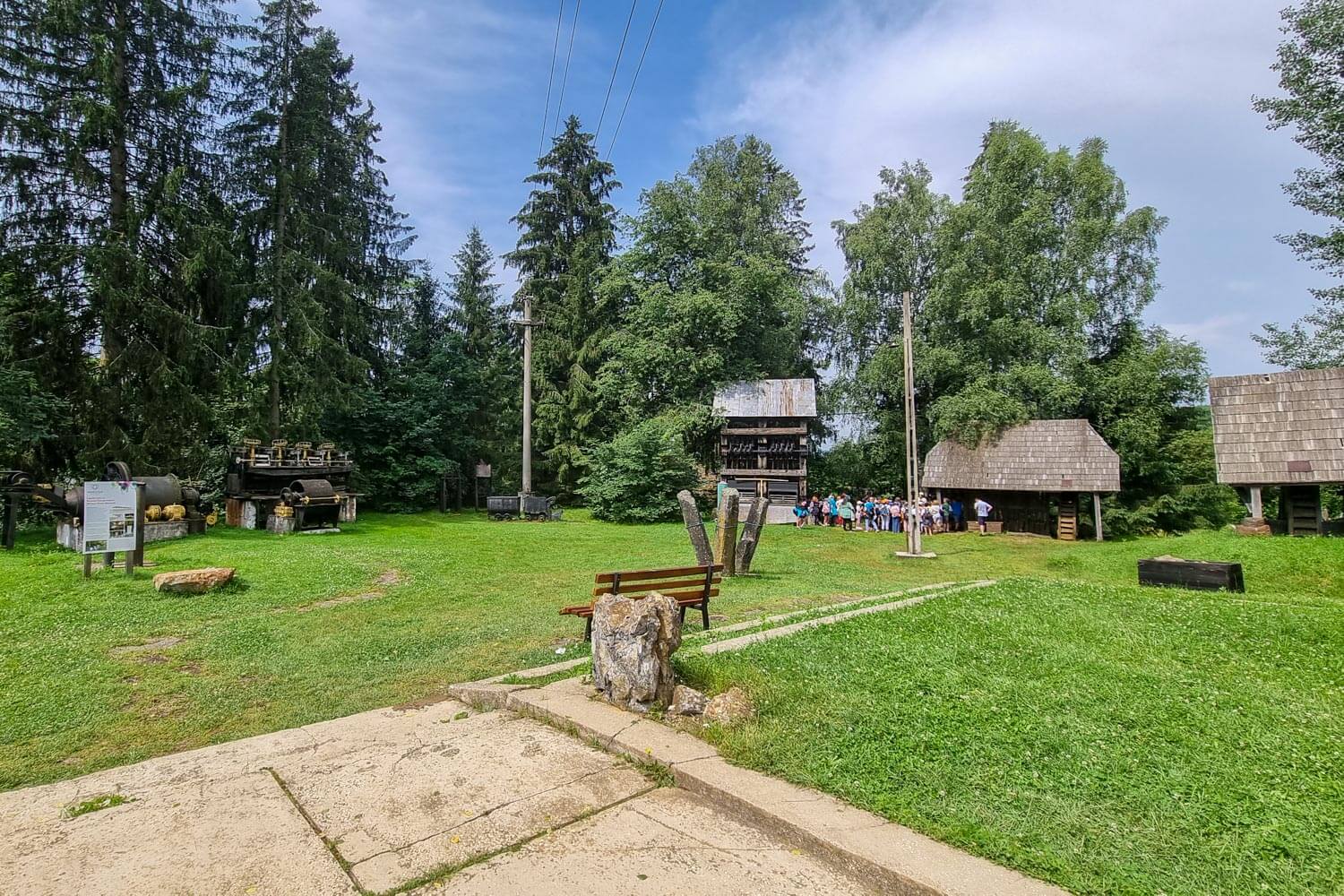
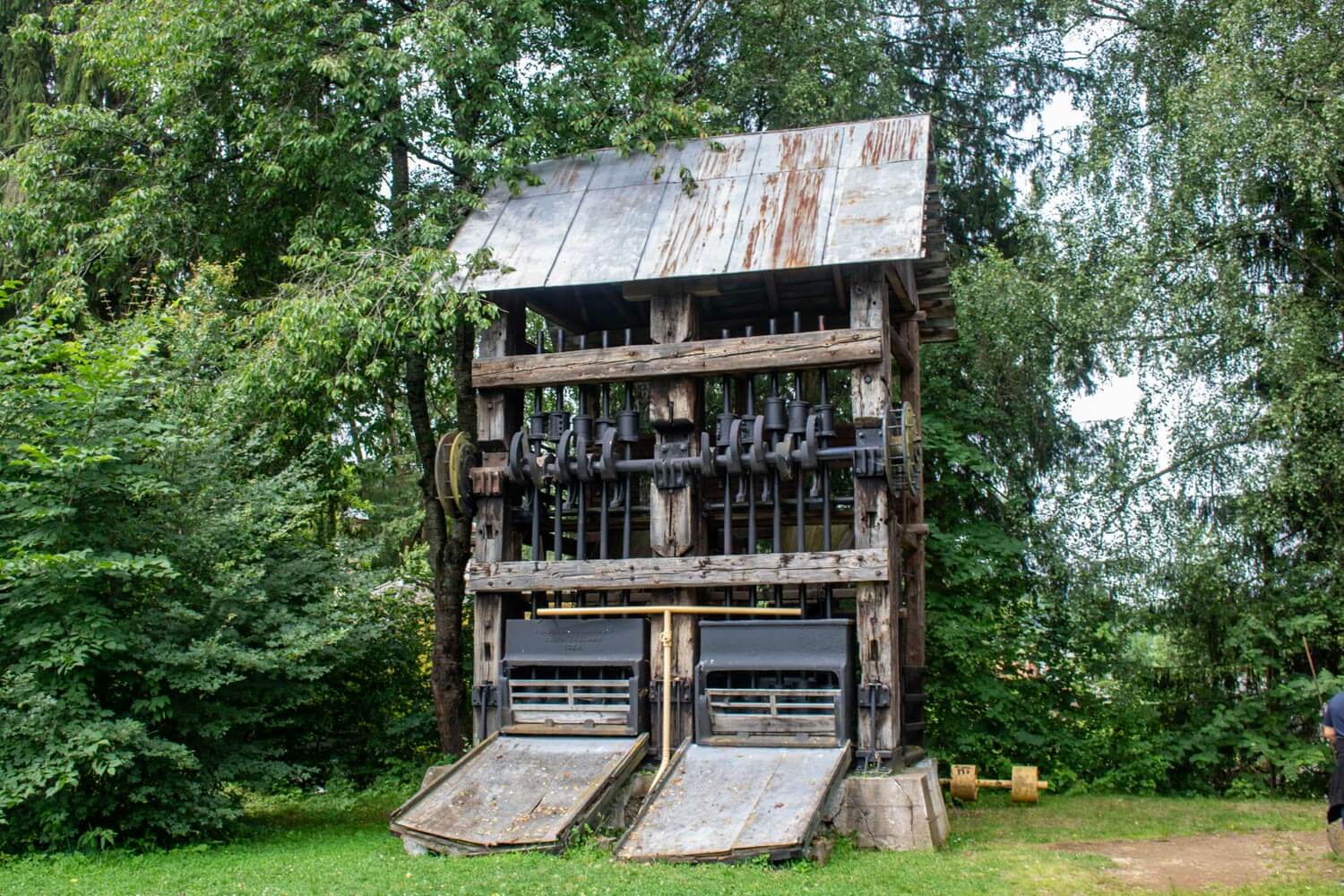
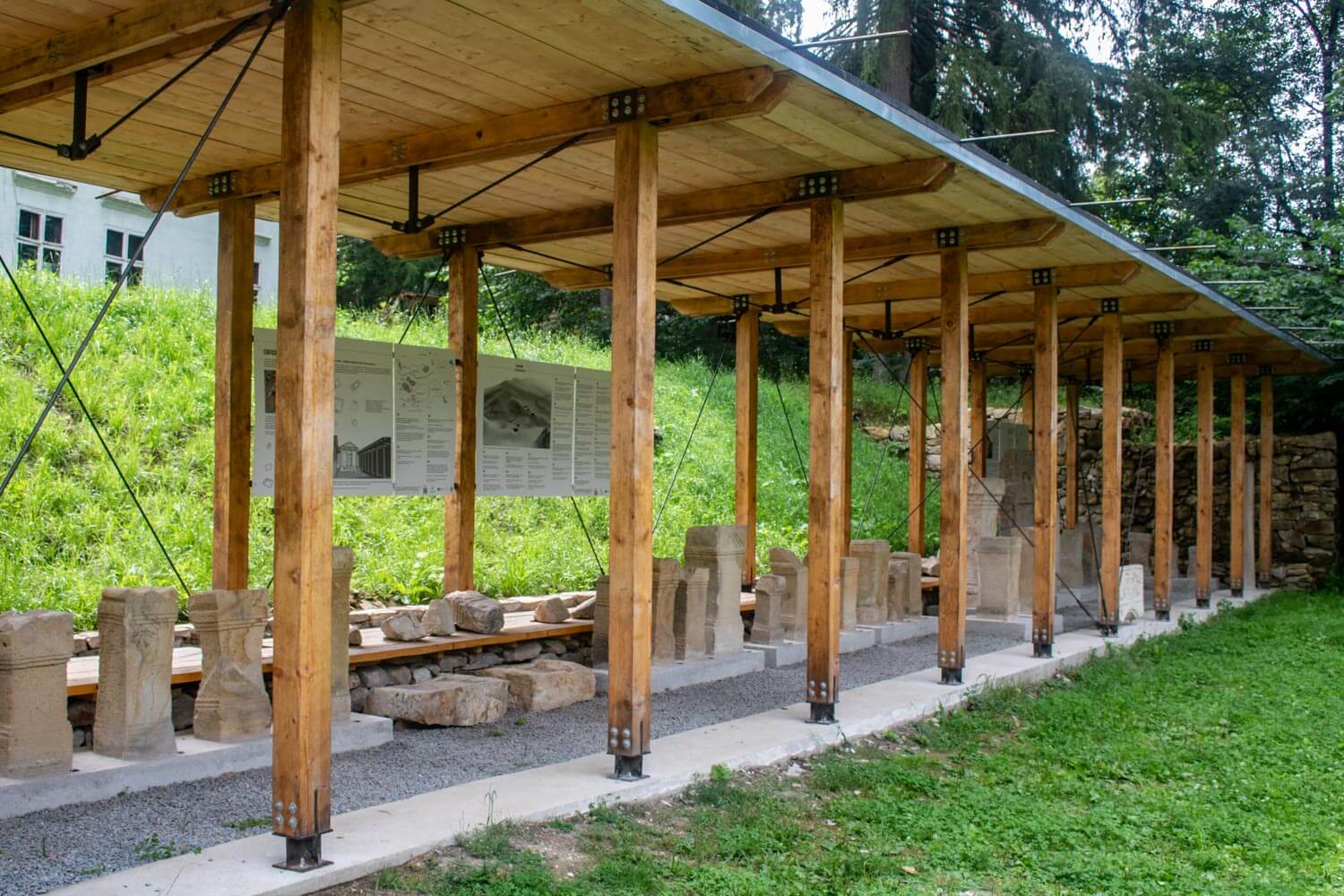
The tour continues above ground, where an open-air exhibition illustrates how gold-bearing rock was processed after extraction. Traditional wooden ore crushers known as șteampuri stand alongside later iron machinery and industrial equipment, demonstrating the development from early mechanical methods to modern ore processing. The grounds also contain a lapidarium with Roman funerary monuments and votive altars discovered in the area.
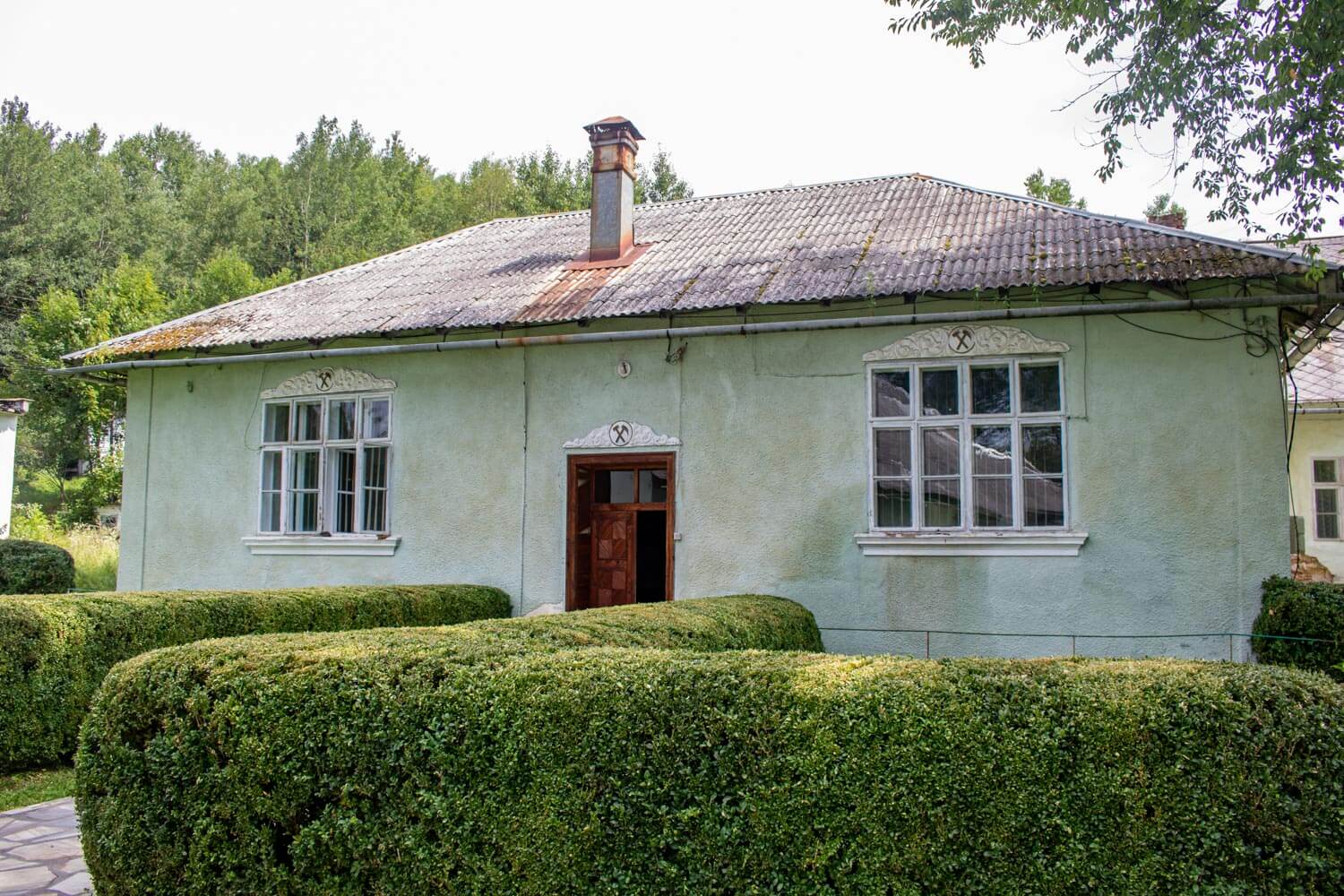
Inside one of the former mining administration buildings, the exhibition Aurarii (The Gold Miners) presents approximately 150 historical black-and-white photographs by Iosif Bazil Roman. Taken during the first half of the 20th century, they portray miners, their working conditions, and the traditional methods used to extract and process gold.
Practical Information
The museum is visited on guided tours, with a minimum of five participants required, so if you’re traveling alone or in a smaller group, you may need to wait for others to arrive. The complete tour takes at least an hour and includes the Roman galleries and the exhibitions above ground. Tours are generally conducted in Romanian, although limited English explanations may be available depending on the guide. For a full tour in English, it’s best to contact the museum beforehand.
The underground section is physically demanding, with a steep descent and return climb, narrow passages, low ceilings, and uneven surfaces. Temperatures stay around 7-10°C throughout the year, with high humidity, so warm clothing and sturdy footwear are recommended. The confined spaces and numerous steps make the galleries unsuitable for people with significant mobility difficulties or severe claustrophobia.