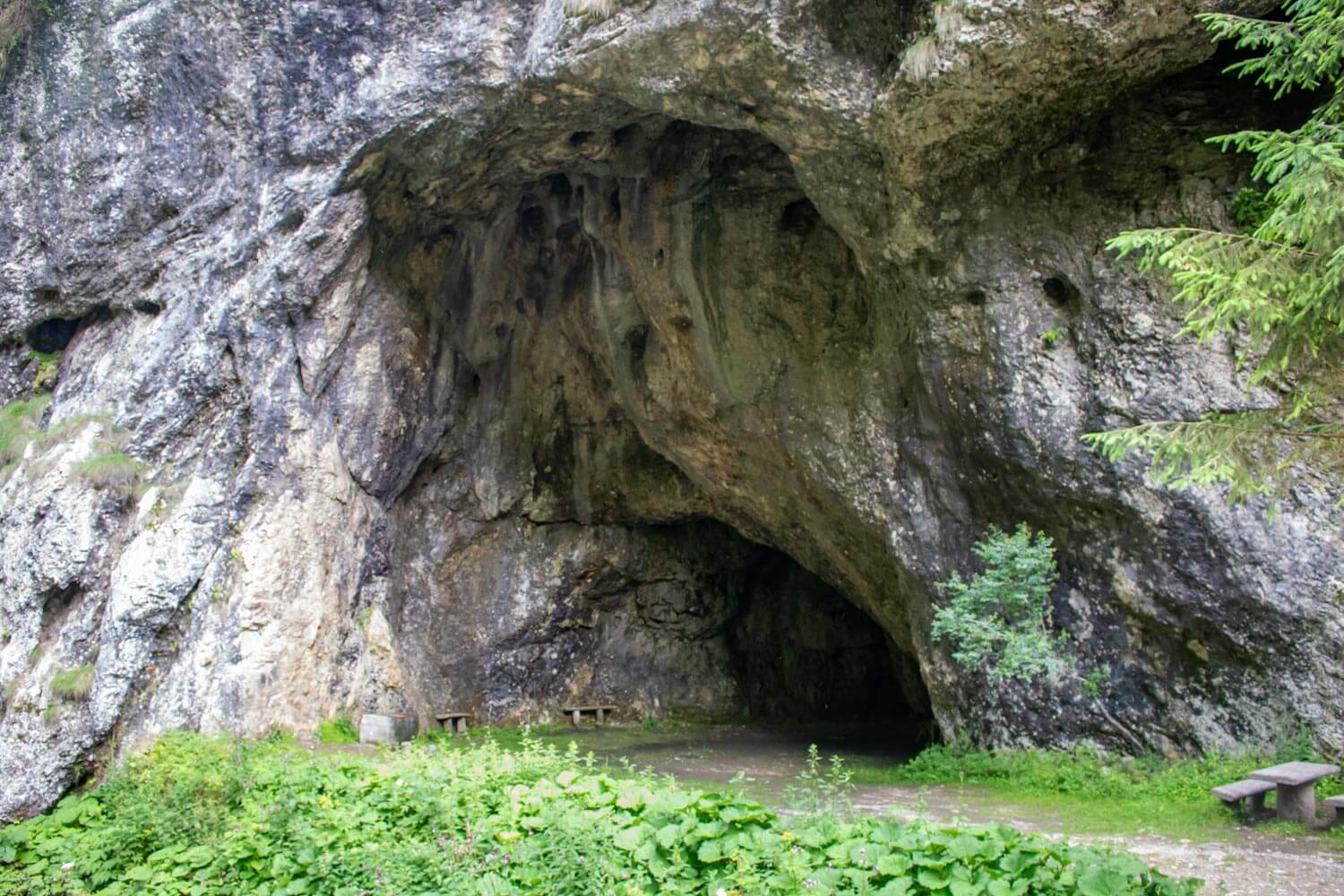
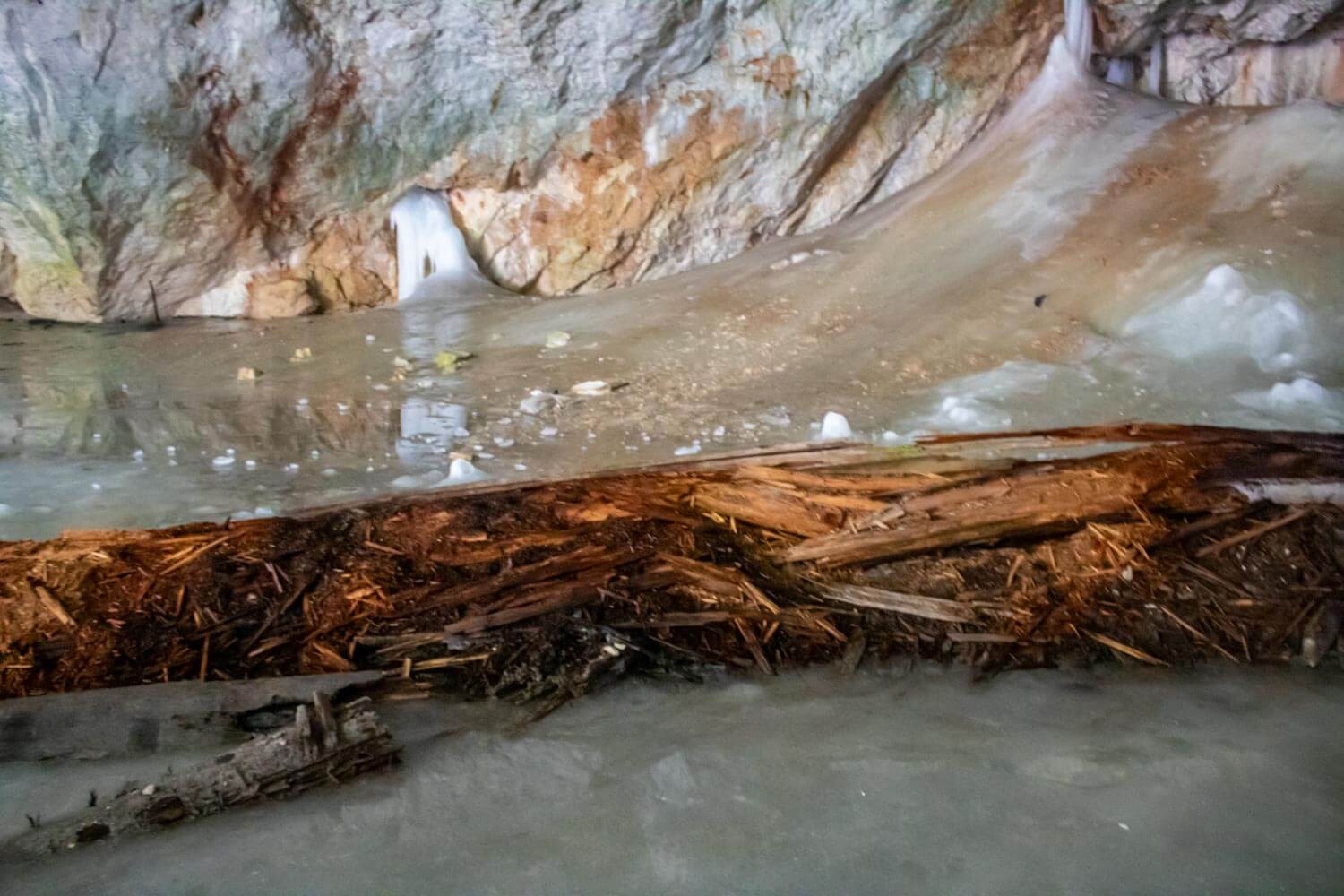
The Scărișoara Cave (Peștera Ghețarul de la Scărișoara) is a limestone cave near the village of Ghețari in the Apuseni Mountains, famous for containing one of the largest and oldest underground ice deposits in the world. Located at an altitude of approximately 1,165 meters, the cave extends more than 700 meters through the limestone and reaches a depth of around 105 meters. Its enormous underground glacier has accumulated over thousands of years, with scientific research identifying ice more than 10,500 years old.
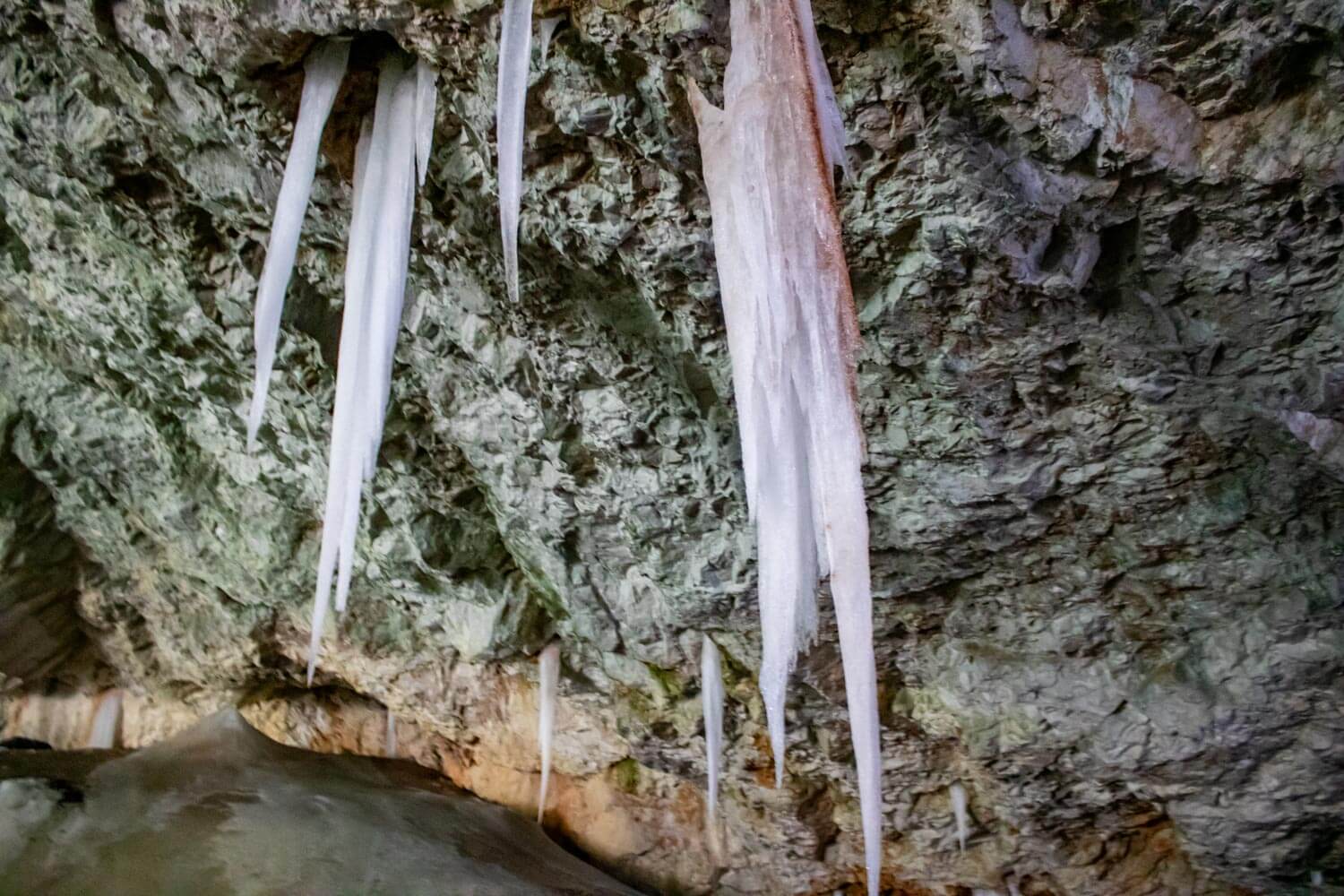
The cave’s remarkable ice deposit exists because of its unusual shape and underground climate. A deep vertical entrance shaft allows cold air to descend into the cave during winter, where it becomes trapped and maintains temperatures around freezing throughout the year. Water seeping through the limestone forms shallow pools on the existing ice, which freeze into new layers during the colder months. These layers preserve traces of past environmental conditions, including pollen, organic material, and other particles, allowing scientists to study changes in climate and vegetation over thousands of years.
The Scărișoara Cave has been known to local inhabitants for centuries and was described in the 19th century by the Austrian geographer Arnold Schmidl. During the 20th century, systematic speleological exploration and scientific research revealed the extent of the underground ice and its importance as a record of past climatic conditions. Beyond the enormous central ice block, the cave contains several chambers and galleries, including the Great and Small Reservations, the Cathedral, and the Church, where ice formations grow beneath the rock ceilings. Some of these deeper sections remain closed to visitors and are reserved for scientific research.
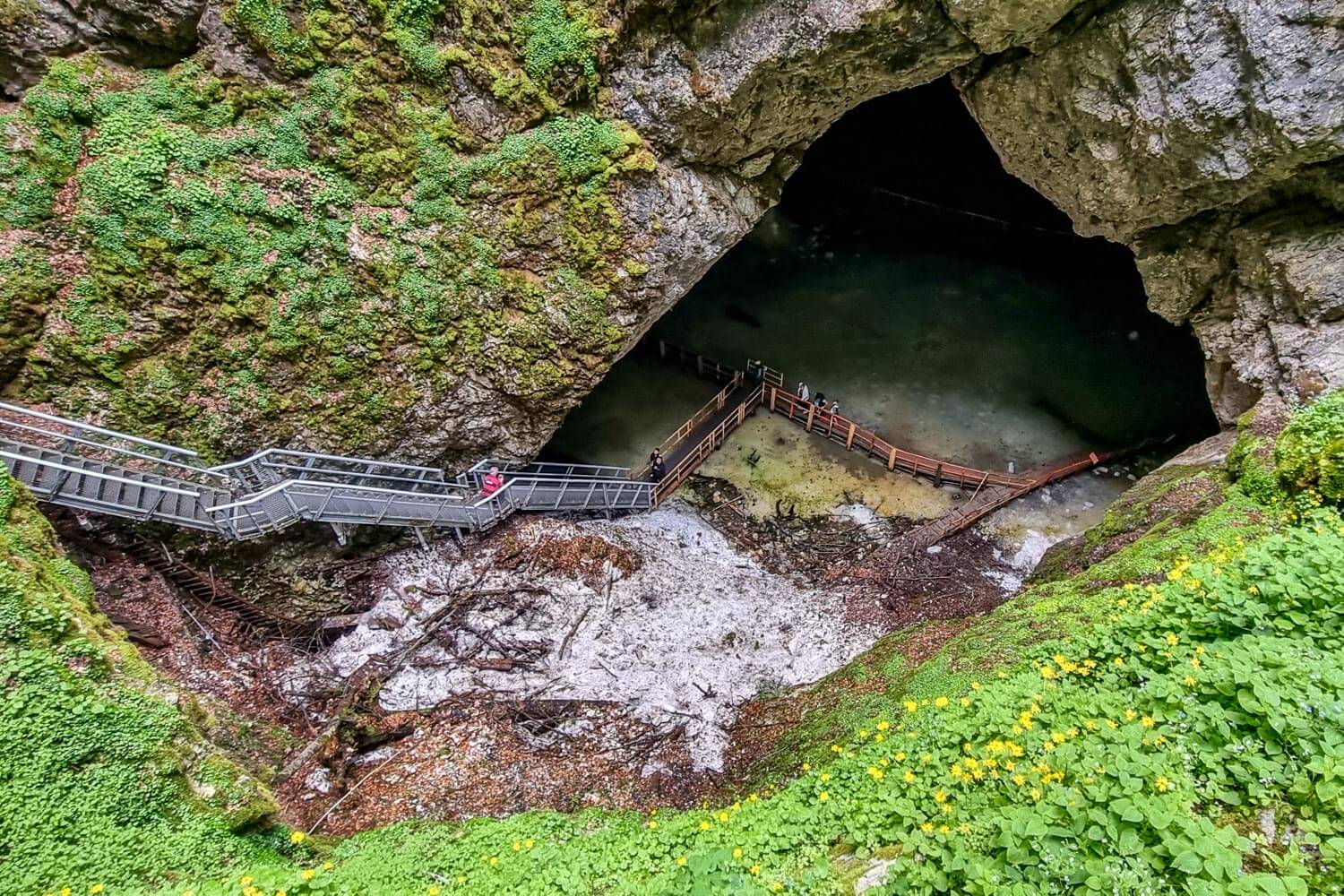
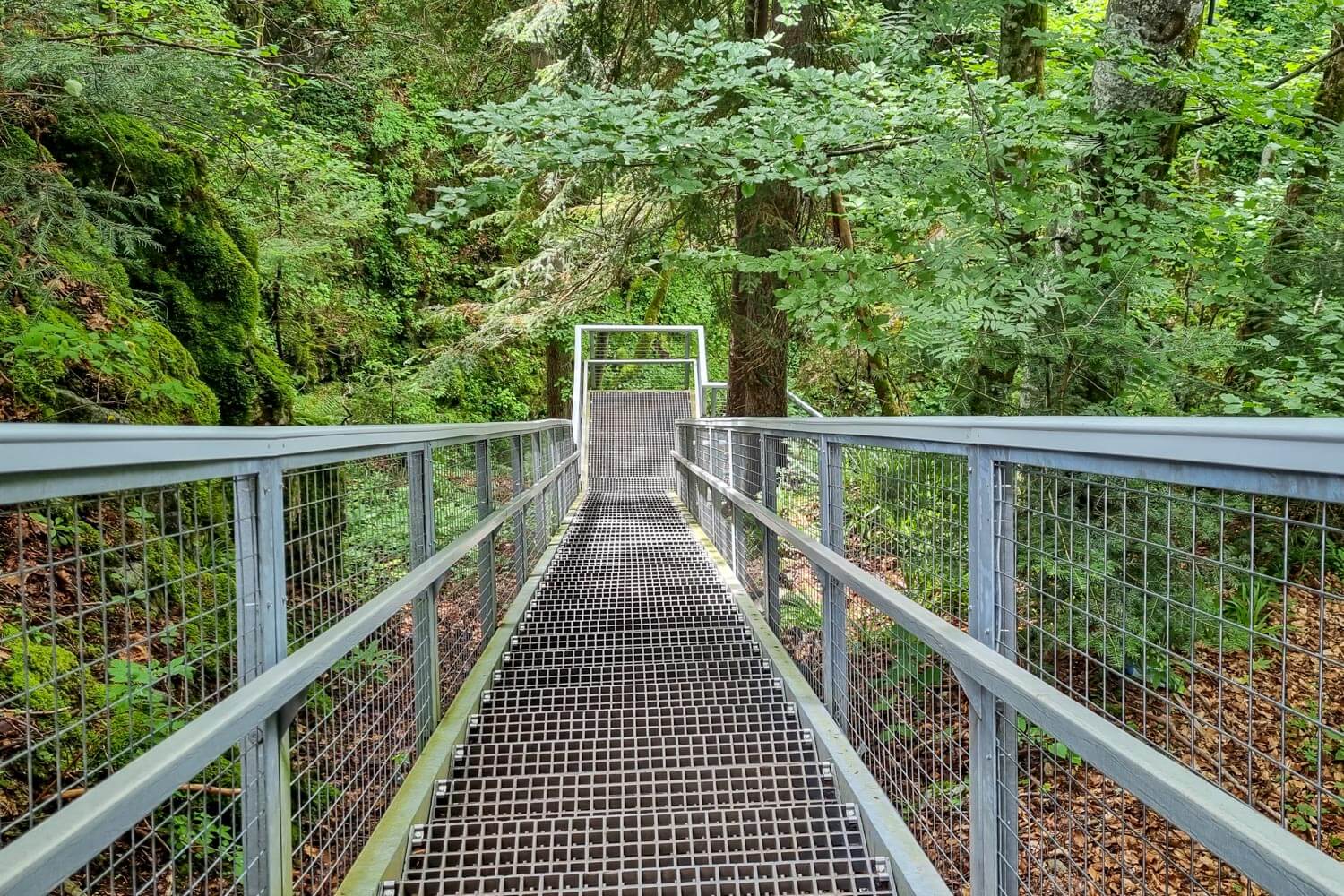
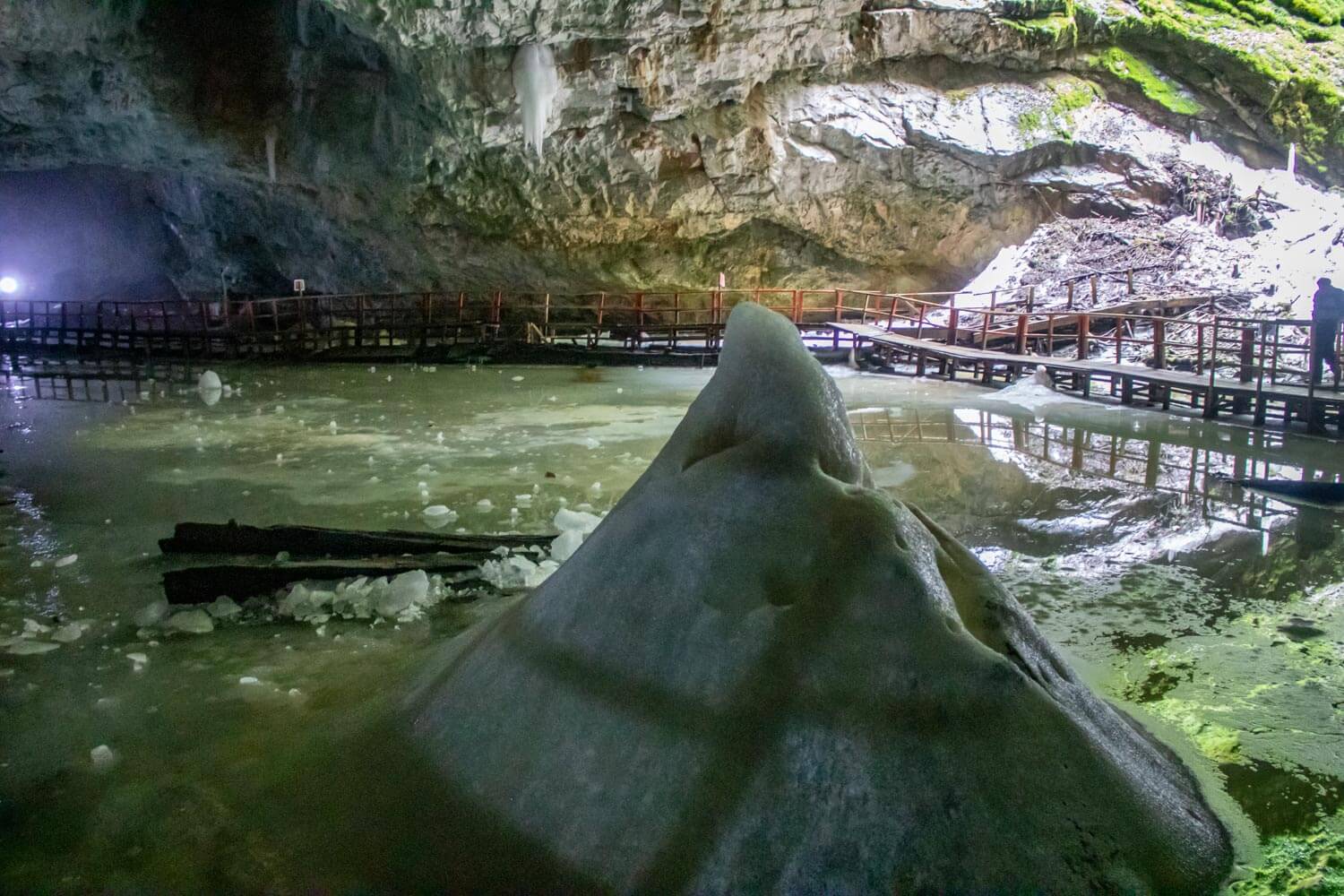
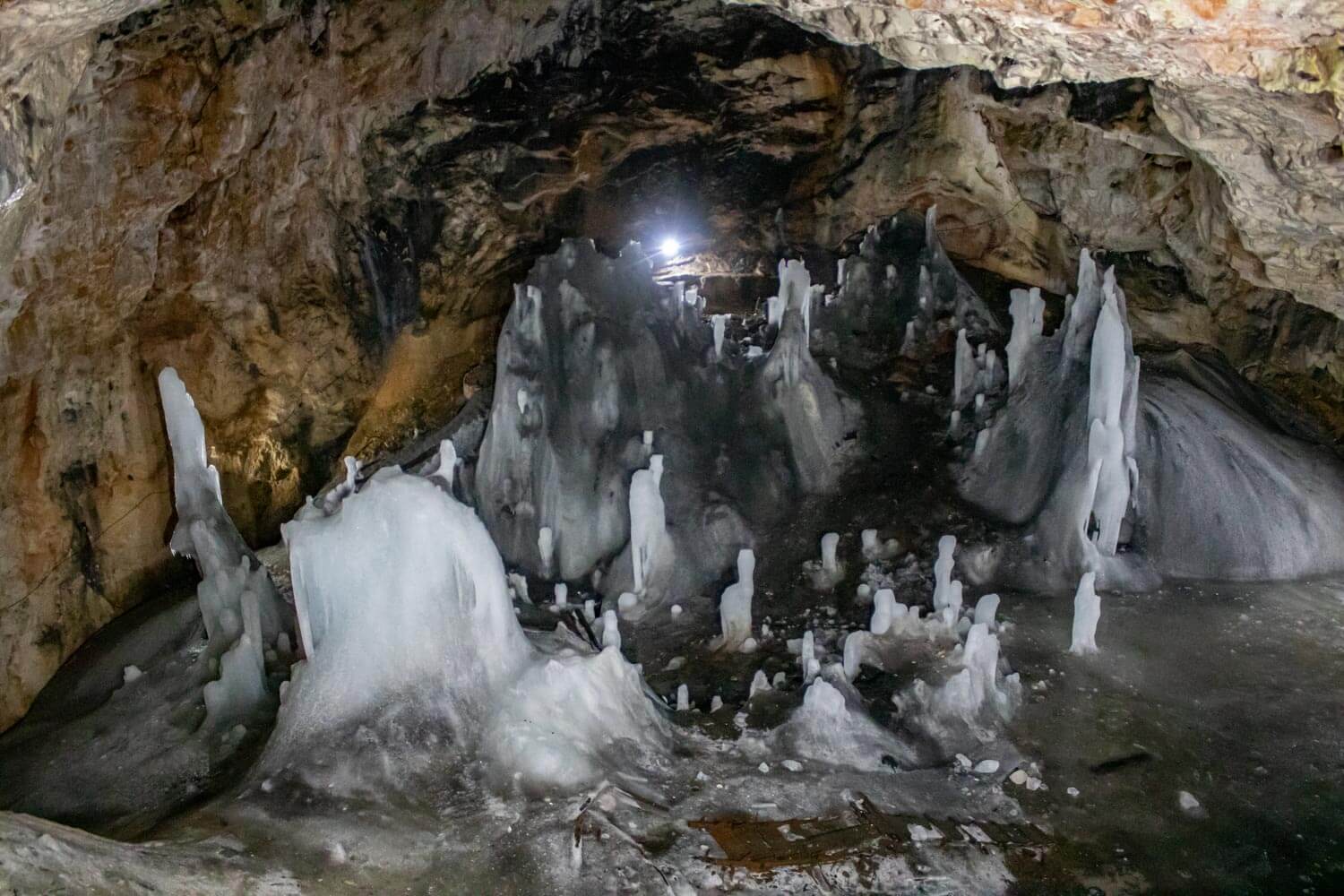
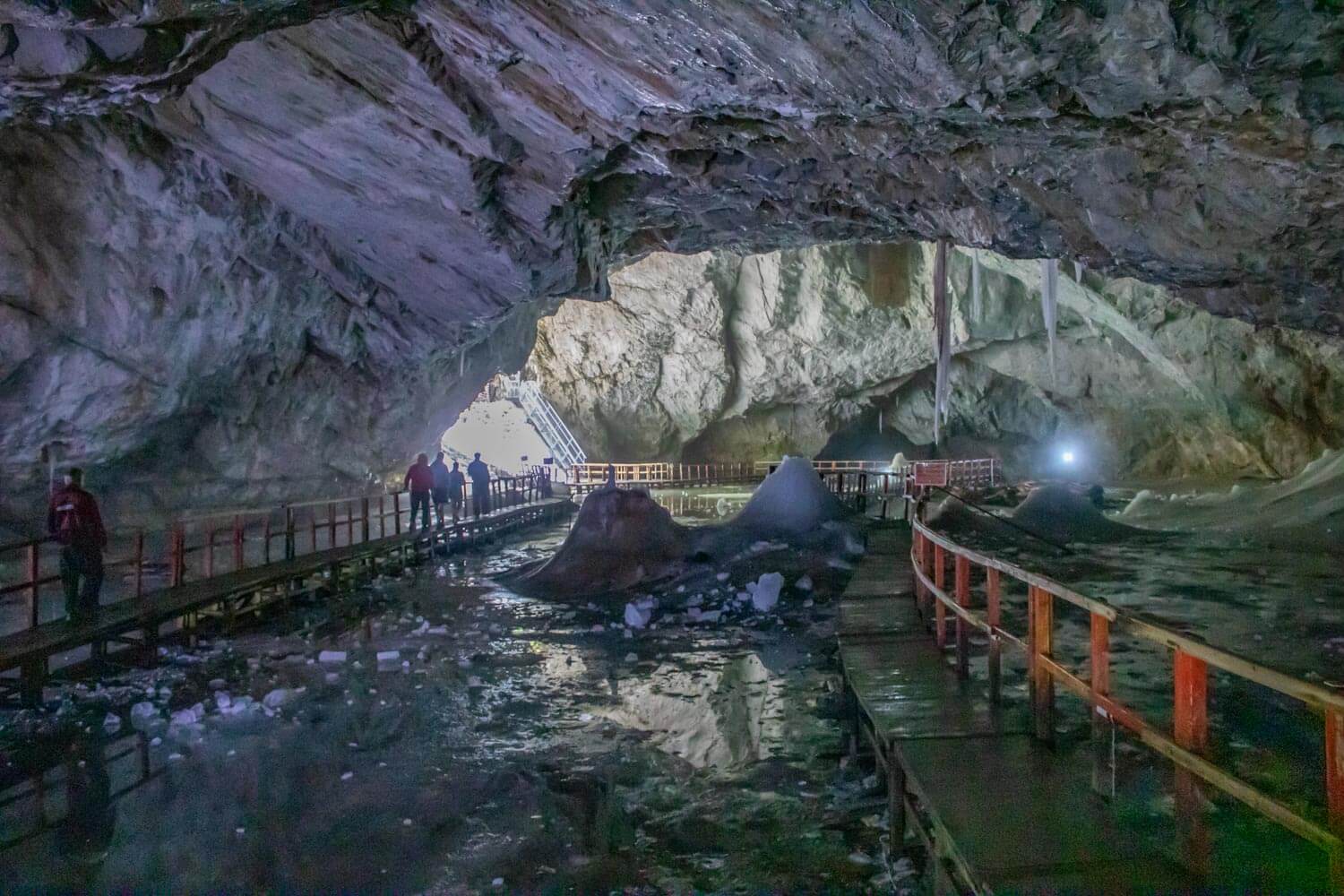
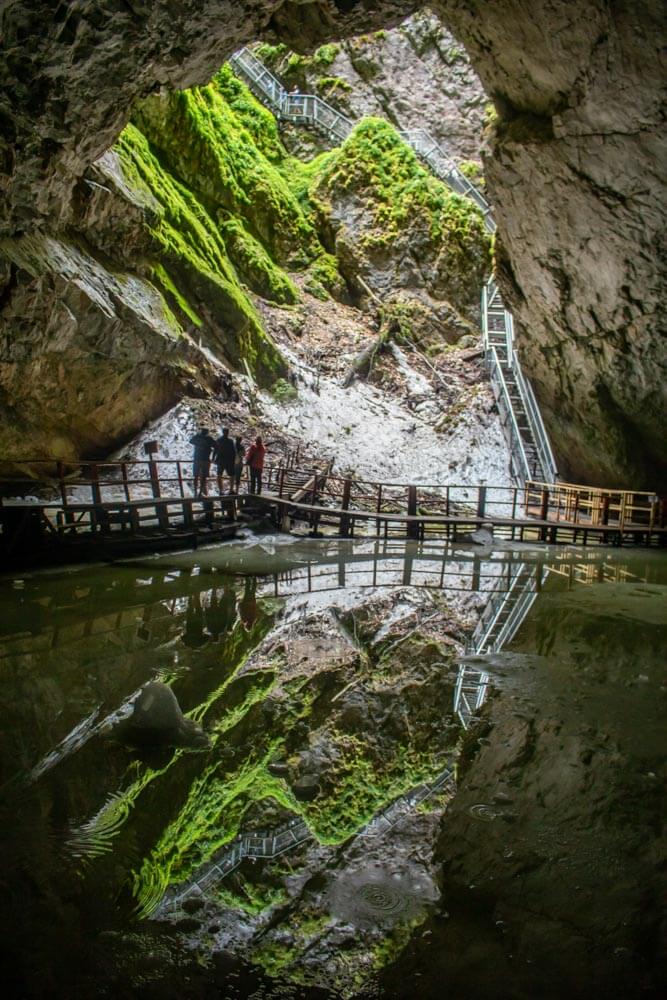
The visitor experience begins with a descent through an enormous natural shaft approximately 48 meters deep and 60 meters wide. Metal staircases follow the steep rock walls to the cave entrance at the bottom, where the Great Hall opens onto the vast surface of the underground glacier. Walkways lead across the ice, offering views of the massive frozen floor and the steep ice cliffs descending into the lower chambers. Another highlight is the Church Hall, visible from a viewing platform, where numerous ice stalagmites rise from the floor. Unlike the permanent ice block, these formations change considerably throughout the year as water freezes and melts.
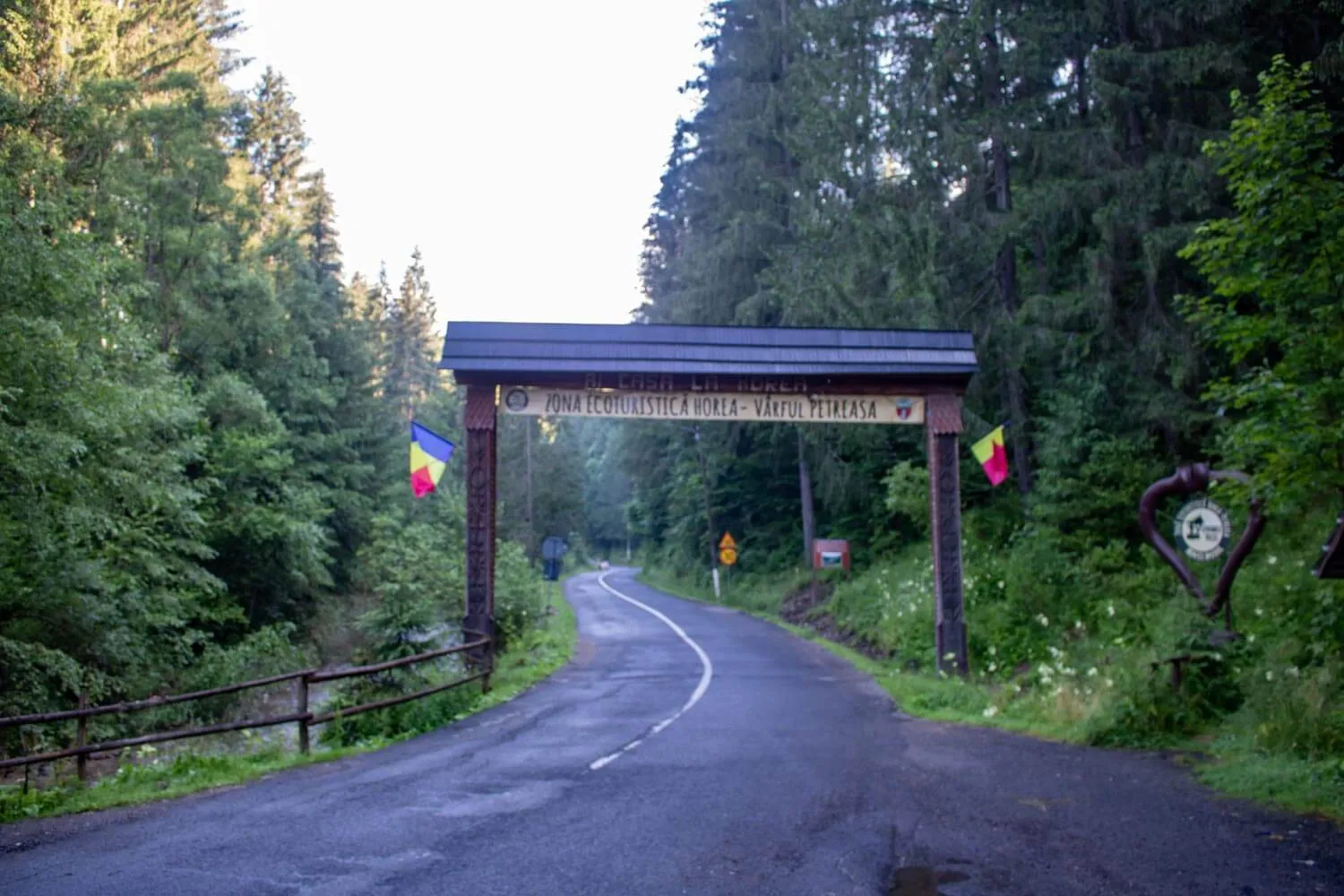
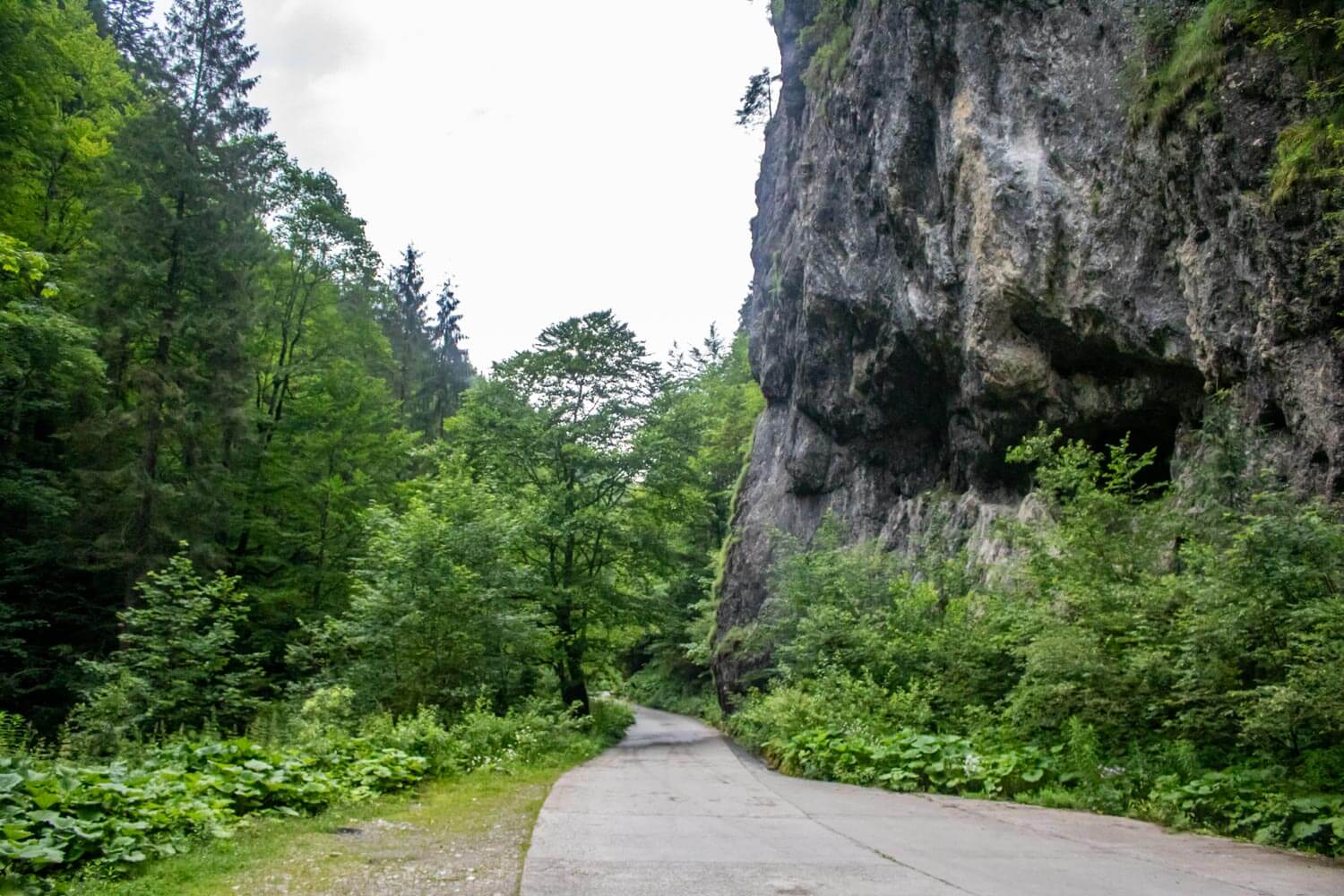
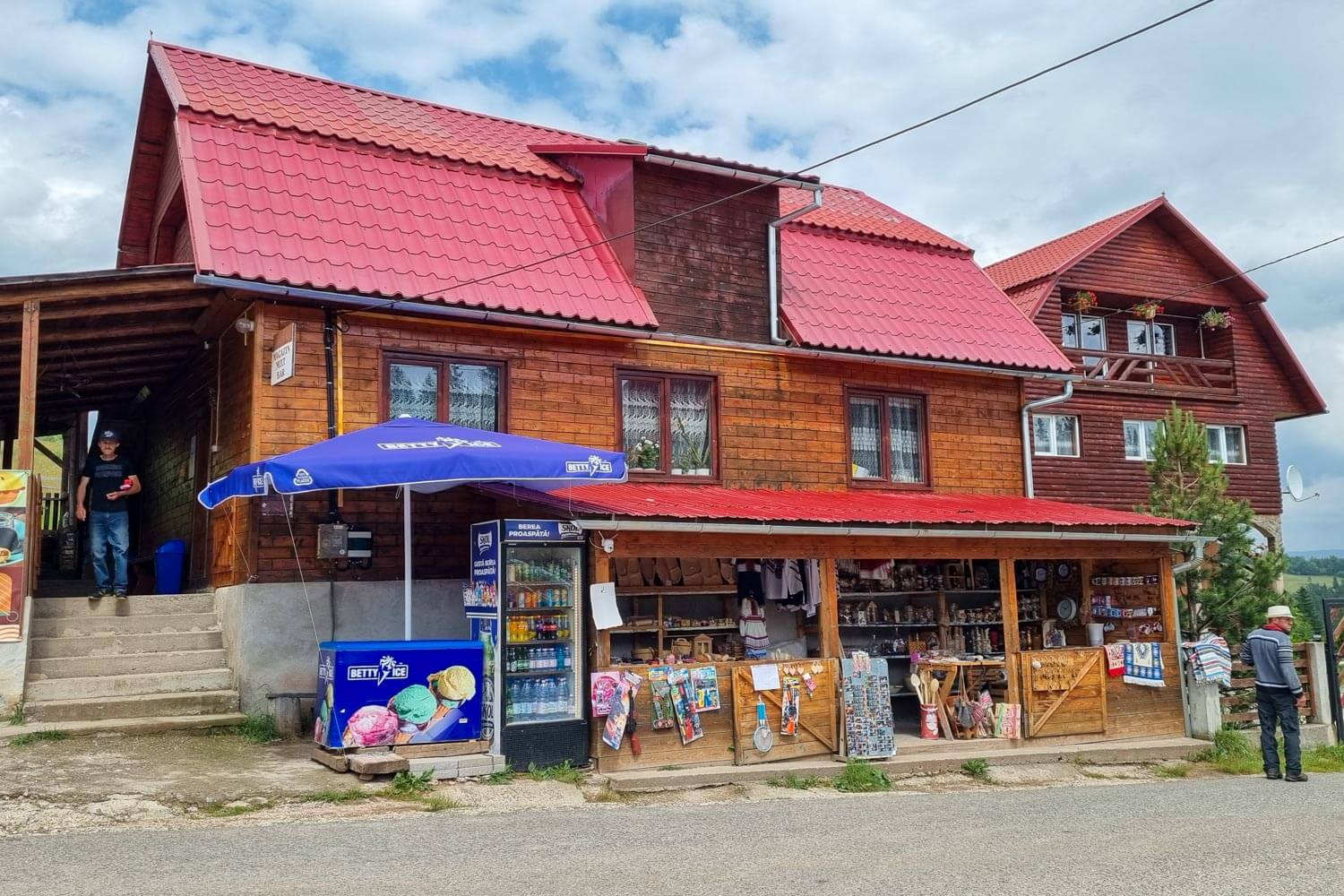
The Scărișoara Cave is reached from Gârda de Sus by a mountain road that climbs toward Ghețari, with one route passing through the spectacular Ordâncușa Gorge. From the parking area, a short walk leads to the cave entrance. Visits take place in guided groups and generally last around 30 minutes, although additional time is needed for the descent and climb back up the stairs. The temperature around the glacier stays close to freezing even in summer, so warm clothing and sturdy footwear are advisable, particularly as the metal stairs and walkways can be wet or slippery.