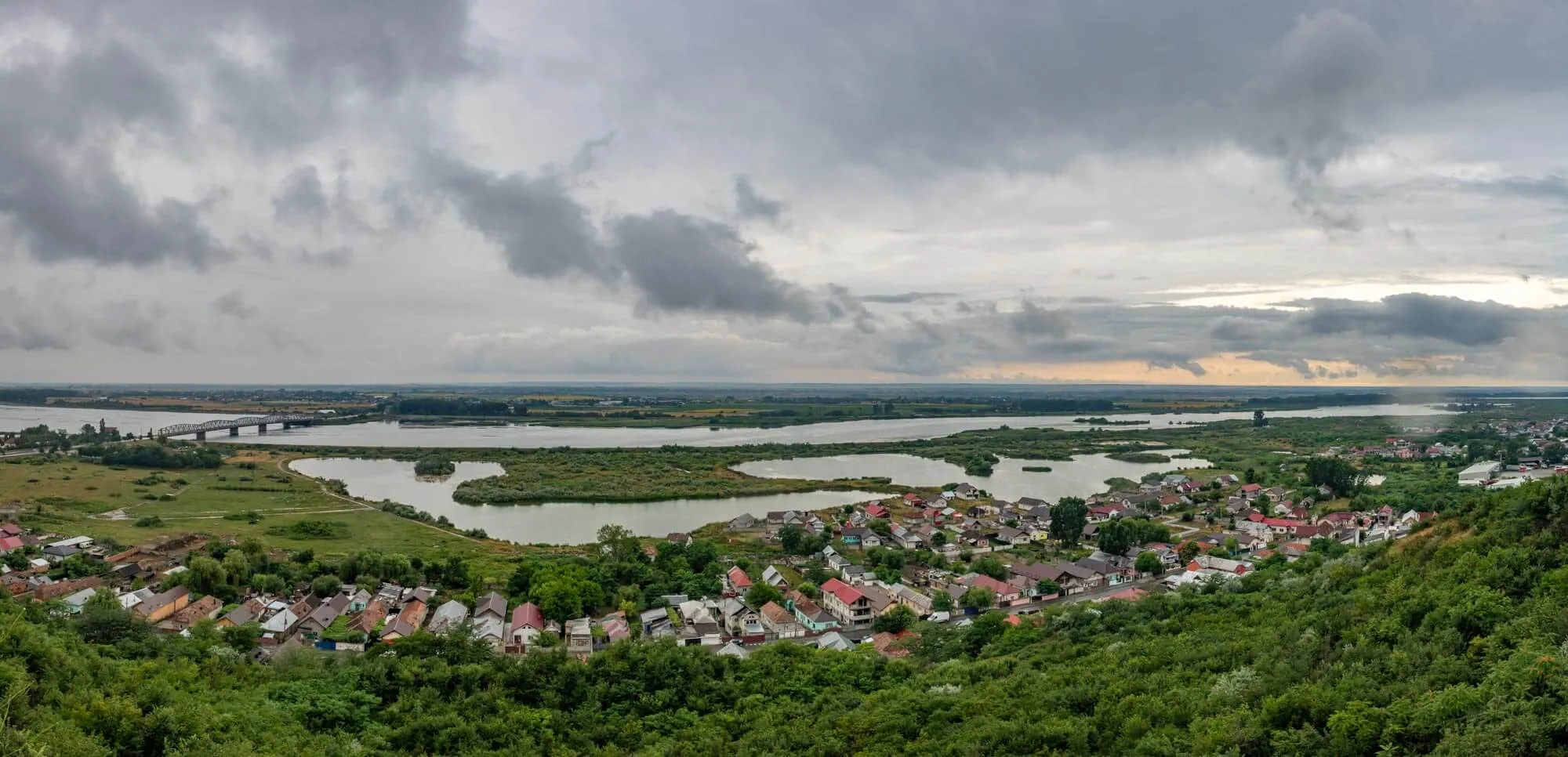
The Nicolae Ceaușescu Memorial House (Casa Memorială Nicolae Ceaușescu) is the birthplace and childhood home of Nicolae Ceaușescu (1918-1989), Romania’s communist leader from 1965 until his overthrow in December 1989. Located in Scornicești, Olt County, the modest rural house dates from the late 19th century and was preserved as a memorial during his presidency.
Ceaușescu was born here on January 26, 1918, into a farming family headed by Andruță and Alexandrina Ceaușescu. He grew up with nine siblings in a household that supported itself through agriculture and his father’s work as a tailor. After attending the local primary school, he left Scornicești for Bucharest at the age of 11, where he became a shoemaker’s apprentice and later joined the communist movement. His political career eventually brought him to the leadership of the Romanian Communist Party in 1965 and the presidency of Romania in 1974.
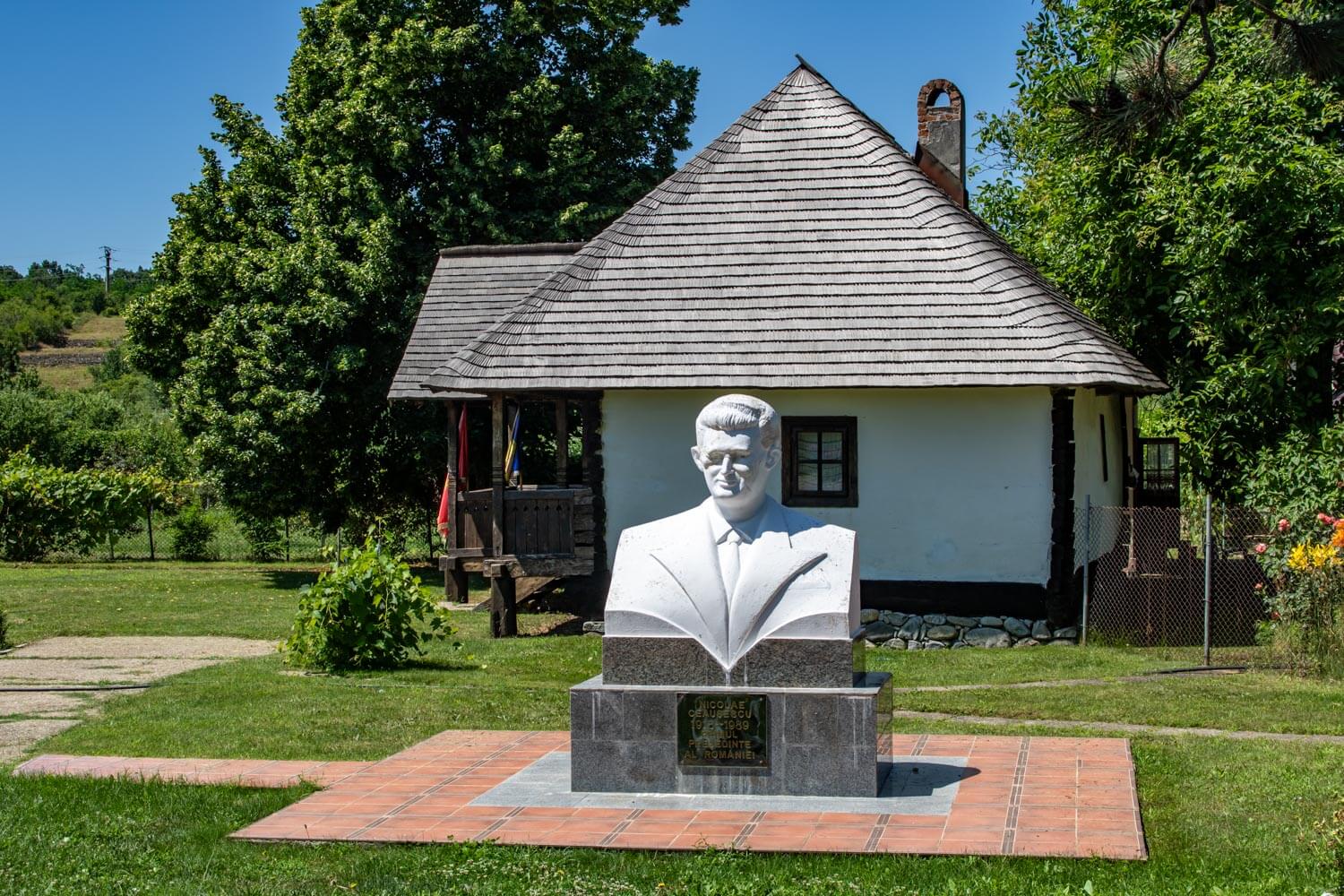
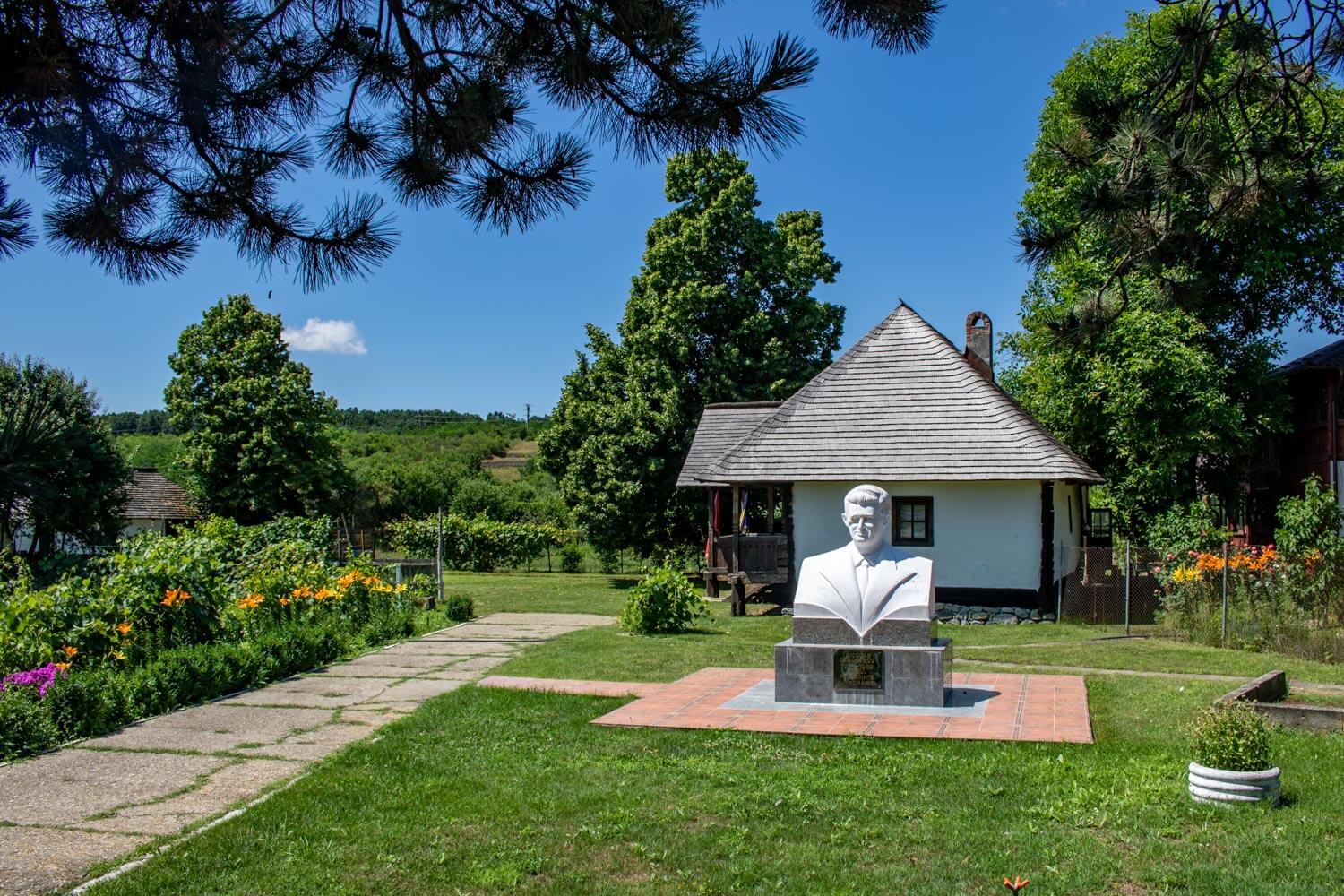
Built around 1890, the family home is a small, single-story house with whitewashed walls, a wooden shingle roof, and a covered porch supported by carved wooden posts. The interior consists of two rooms separated by a narrow entrance hall that also served as a kitchen. Simple wooden furniture, woven textiles, embroidered towels, household utensils, and traditional clothing illustrate the family’s living conditions. Photographs and portraits of Ceaușescu’s parents and grandparents are displayed alongside other family memorabilia.
The house was refurbished in 1979, during Ceaușescu’s presidency, and prepared for visitors as part of the official presentation of his rural origins. At the same time, Scornicești was undergoing extensive redevelopment, with apartment blocks, factories, public institutions, and a large stadium transforming the village into a showcase of the communist government’s modernization policies. The small family home was preserved amid these changes, while a white bust of Ceaușescu was later placed in its courtyard.
Following the Romanian Revolution of 1989, the house lost its official memorial function and eventually passed into private family ownership. Some of its original contents disappeared during the upheaval, although furniture, household objects, photographs, and memorabilia have been preserved or replaced. The property is maintained by members of the Ceaușescu family, but it does not operate as a regular public museum. Visits to the interior depend on arrangements with the people responsible for the house.