
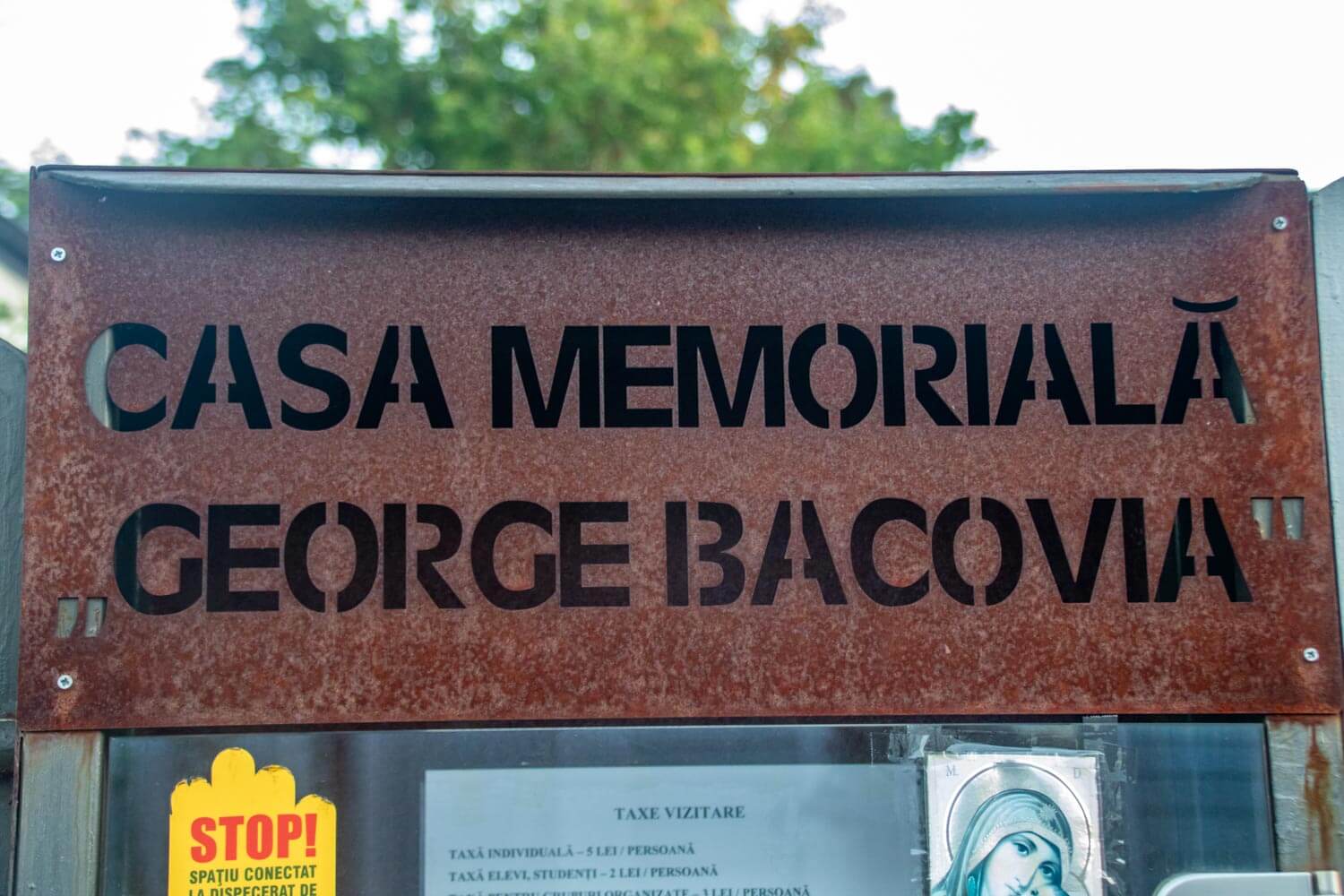
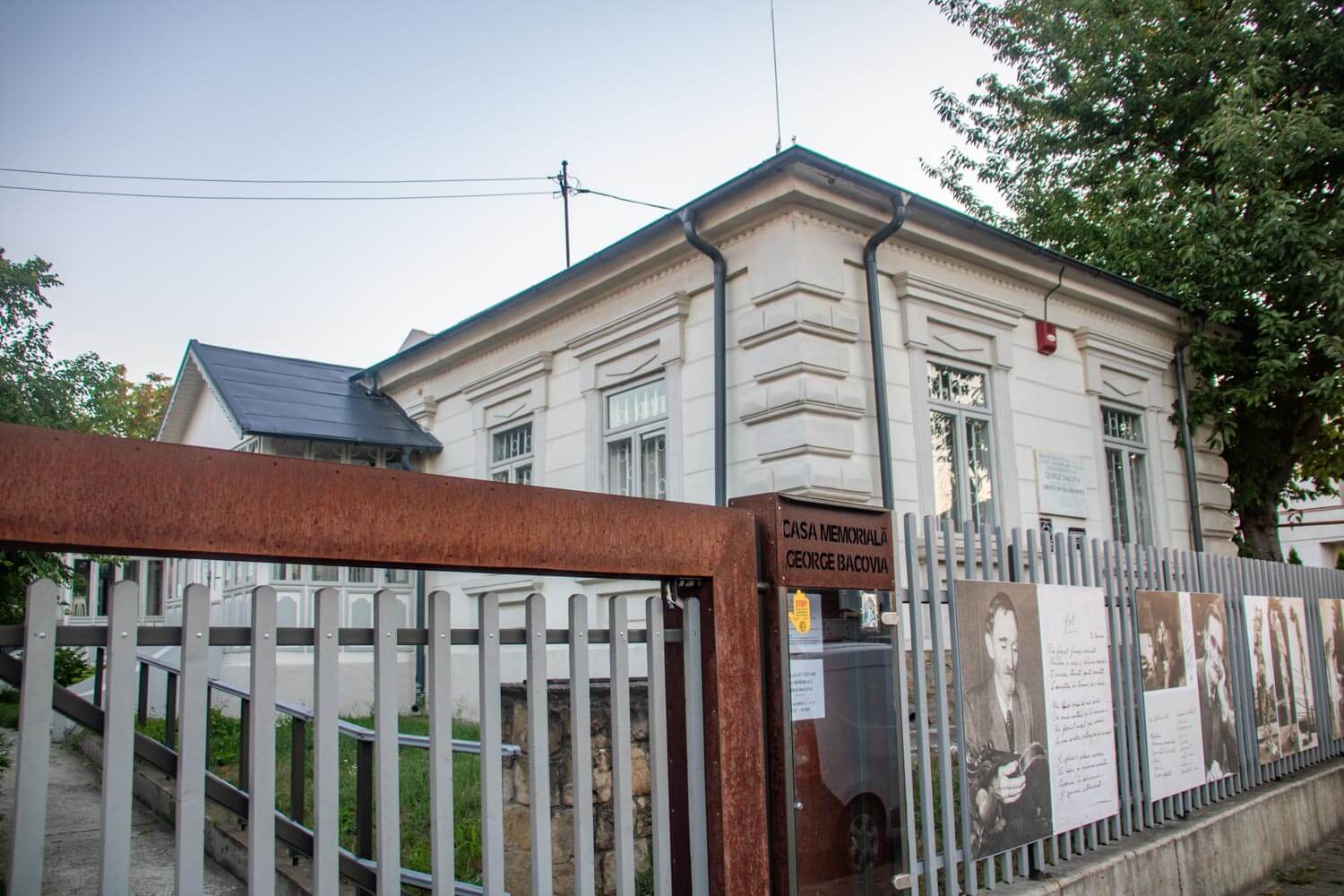
The George Bacovia Memorial House (Casa Memorială „George Bacovia”) is a literary museum in Bacău, housed in the former family home of the Romanian poet George Bacovia (1881-1957). The modest late 19th-century residence preserves original furniture, personal belongings, and manuscripts from the period when the poet lived and worked here.
Bacovia, born George Vasiliu, spent his childhood and youth in Bacău, where he began writing the melancholic, symbolist poetry for which he became known. His parents, Dimitrie and Zoe Vasiliu, purchased the house in 1906, and he lived here until 1928, although his studies and work frequently took him elsewhere. During these years, he developed a substantial part of his literary work, including poems published in his celebrated debut collection Plumb (Lead) in 1916. After periods spent in Bucharest and a return to Bacău in the early 1930s, he eventually settled in the capital.
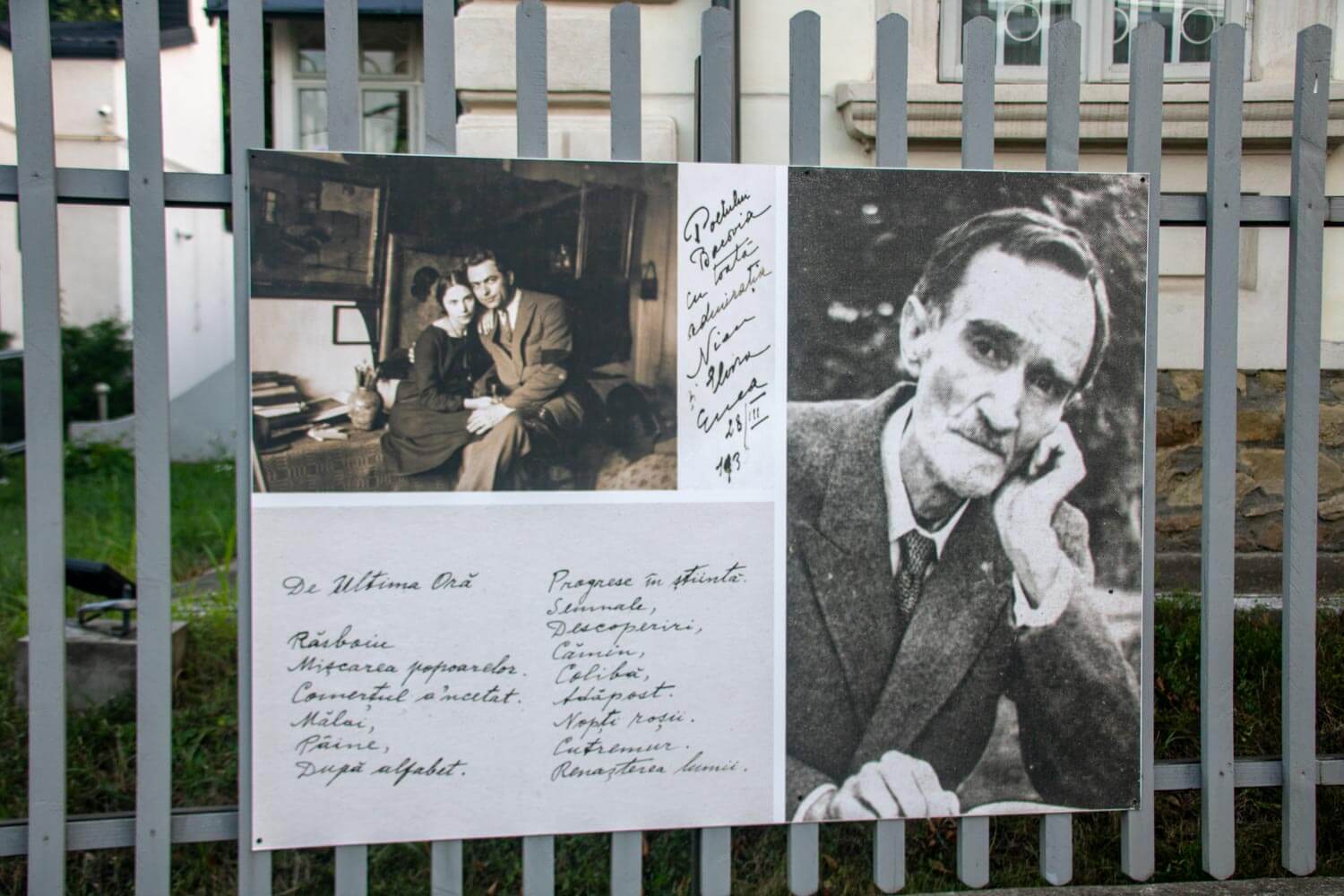
The house was converted into a memorial museum in 1971, preserving the domestic setting in which Bacovia spent an important period of his literary career. Its five exhibition rooms contain approximately 400 objects acquired from or donated by members of the poet’s family, including manuscripts, early editions of his books, correspondence, photographs, and personal possessions. The furniture recreates the atmosphere of an early 20th-century middle-class home, with the family salon displaying a piano, a violin, and portraits of Bacovia’s parents.
The museum also preserves recordings of Bacovia reading his poetry and documentary footage of the poet during his lifetime. In the small garden, sculptures by contemporary artists complement the memorial exhibition. After structural repairs to its foundations and roof, the house reopened to visitors in 2016. It is administered by the Iulian Antonescu Museum in Bacău.


